

Intro
Graphic design in 2026 is undergoing a profound transformation driven by artificial intelligence, evolving digital platforms, and changing audience expectations. What was once a discipline focused primarily on visual composition and static layouts has now expanded into a multidisciplinary field that includes motion design, UX and UI thinking, branding systems, and AI-assisted creative production. As businesses compete for attention in an increasingly saturated digital environment, the demand for advanced graphic design skills is rising rapidly. At the same time, automation is reshaping how designers work, forcing a shift toward higher-level creative thinking, strategic brand development, and conceptual storytelling.
This evolution is not simply a matter of new tools. It represents a complete redefinition of what it means to be a graphic designer. In 2026, successful designers are not just visual creators but also creative directors, system thinkers, and digital experience architects. Understanding these changes is essential for anyone building a career in design or looking to stay competitive in the evolving creative economy.
Lets Dive In
The Rise of AI in Graphic Design and Creative Automation
One of the most significant forces shaping graphic design trends in 2026 is artificial intelligence. AI-powered design tools have moved far beyond experimental features and are now deeply embedded into mainstream platforms such as Adobe Creative Cloud, Figma, and Canva. These tools are capable of generating layouts, suggesting typography systems, producing brand variations, and even creating complete visual identities in seconds.
The rise of AI graphic design does not eliminate the need for human designers. Instead, it shifts the role of the designer from execution to direction. Rather than manually producing every element, designers are increasingly responsible for guiding AI systems, refining outputs, and ensuring that creative work aligns with brand strategy and emotional intent.
This has created a new skill category often referred to as AI creative direction. Designers must now understand how to write effective prompts, how to evaluate AI-generated visuals, and how to integrate machine outputs into coherent brand systems. The ability to collaborate with AI has become one of the most valuable skills in modern design careers.
At the same time, there is growing concern about visual homogenisation. As more designers rely on similar AI tools, the risk of repetitive aesthetics increases. This has made originality and conceptual thinking even more important, as brands seek to differentiate themselves in a world where visual production is becoming increasingly automated.
Motion Design and the Shift Toward Dynamic Visual Identity
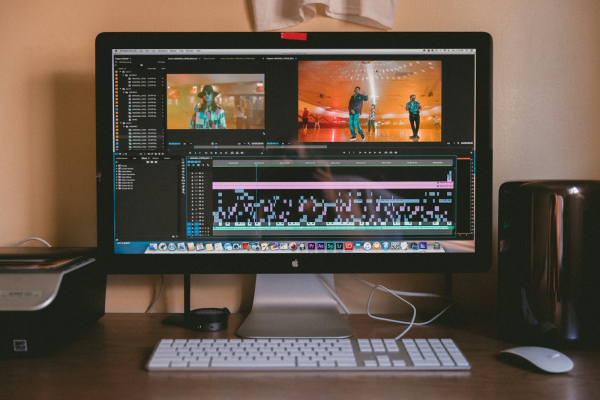
Another defining trend in graphic design in 2026 is the shift from static visuals to motion-based design systems. Modern digital experiences are no longer confined to still images. Websites, applications, and social media platforms are increasingly built around animation, interaction, and temporal storytelling.
Motion design has evolved from a specialist skill into a core requirement for many graphic designers. Brands now expect logos that move, typography that animates, and interface elements that respond dynamically to user behaviour. This has led to the rise of kinetic branding, where movement is used as a key part of identity rather than a decorative feature.
The growth of short-form video platforms has also influenced this shift. Visual communication now needs to capture attention within seconds, making motion an essential tool for engagement. Micro-interactions in user interfaces, animated transitions in apps, and storytelling sequences in digital campaigns are now standard expectations in professional design work.
As a result, designers who understand animation principles such as timing, easing, rhythm, and spatial storytelling are increasingly in demand. Motion is no longer an optional skill but a fundamental part of the modern graphic design toolkit.
Branding Systems and the Evolution of Visual Identity Design
In 2026, branding has become more complex and more system-driven than ever before. Traditional brand identity, which once focused on logos, colour palettes, and print guidelines, has evolved into dynamic brand ecosystems that operate across multiple digital platforms.
Modern branding design requires the creation of scalable systems that can adapt to websites, mobile apps, social media content, advertising formats, and even immersive environments. This shift has given rise to modular design systems, where visual elements are built as flexible components rather than fixed assets.
Designers are now expected to think like system architects. They must consider how typography scales across devices, how colour systems maintain accessibility standards, and how visual elements behave across different user contexts. Consistency is no longer achieved through static guidelines but through intelligent design frameworks that can adapt dynamically.
This systems-based approach to branding has also increased the importance of design tokens, reusable components, and structured visual languages. As brands expand globally and operate across diverse digital environments, the ability to build cohesive yet flexible identity systems has become a critical skill in professional graphic design.
Typography as a Core Element of Modern Graphic Design
Typography has always been a fundamental aspect of graphic design, but in 2026 it has taken on an even more central role. Rather than serving as a supporting visual element, typography is now often the primary driver of brand identity and digital expression.
One of the key trends in typography is the rise of variable fonts. These fonts allow designers to adjust weight, width, and style dynamically, enabling more responsive and adaptive design systems. This flexibility is particularly important in digital environments where content must scale across multiple devices and screen sizes.
Another important development is the use of expressive typography as a storytelling tool. Brands are increasingly using animated type, oversized headlines, and experimental layouts to create emotional impact. Typography is no longer just about readability; it is about tone, personality, and engagement.
As AI continues to influence design production, typography also plays a role in maintaining human identity within visual systems. Custom typefaces and handcrafted typographic elements are becoming more valuable as brands seek differentiation in an increasingly automated design landscape.
UX and UI Design Integration in Graphic Design Careers
The boundary between graphic design and UX UI design continues to blur in 2026. Most digital design roles now require a hybrid skill set that combines visual aesthetics with user experience understanding.
Graphic designers are increasingly expected to understand how users interact with digital products, how interfaces guide behaviour, and how visual hierarchy influences decision-making. This has made UX thinking a core part of modern design education and practice.
User-centred design principles are now essential in nearly all areas of digital graphic design. Whether designing a website, a mobile application, or a digital campaign, designers must consider usability, accessibility, and conversion optimisation.
This shift has also increased the importance of tools such as Figma, which allow designers to collaborate on interactive prototypes and real-time design systems. Understanding UX research, wireframing, and prototyping has become just as important as mastering traditional graphic design software.
The Growth of 3D Design and Immersive Visual Experiences
Another major trend shaping graphic design in 2026 is the expansion of 3D design and immersive visual environments. With improvements in rendering technology and browser-based 3D tools, designers are now able to create interactive and spatial experiences that go far beyond flat visuals.
3D product visualisation has become particularly important in e-commerce, where customers expect realistic and interactive representations of products. Brands are also experimenting with augmented reality experiences, allowing users to interact with digital objects in real-world environments.
This shift toward spatial design has created new opportunities for designers who can work with tools such as Blender, Cinema 4D, and real-time rendering engines. It has also expanded the definition of graphic design itself, moving it closer to experience design and digital environment creation.
As the metaverse concept continues to evolve, even in more practical and enterprise-focused forms, the demand for immersive design skills is expected to grow further.
Essential Skills for Graphic Designers in 2026
The skill set required for graphic designers in 2026 is significantly broader than in previous years. Traditional abilities such as composition, colour theory, and typography remain essential, but they are now complemented by technical and strategic skills.
AI collaboration has become one of the most important new competencies. Designers must understand how to use AI tools effectively without losing creative control. This includes guiding generative systems, refining outputs, and integrating AI-generated assets into cohesive design systems.
Motion design is another critical skill, as brands increasingly rely on animation and interaction to communicate meaning. Understanding how to create fluid transitions, engaging micro-interactions, and narrative motion sequences is now a core part of professional design work.
System thinking has also become essential. Designers must be able to build scalable frameworks that support multi-platform branding and user experience consistency. This requires a shift from designing individual assets to designing entire ecosystems.
In addition, UX awareness, storytelling ability, and creative direction skills are becoming increasingly valuable. Designers are expected to think strategically, not just visually, and to contribute to broader brand and product decisions.
The Best Online Graphic Design Courses to Advance Your Creative Career in 2026
As artificial intelligence, digital branding, motion graphics and immersive user experiences continue to transform the creative industries, continuous learning has become essential for aspiring and experienced graphic designers alike. Modern graphic designers require expertise that extends far beyond traditional print design, with employers increasingly seeking professionals who can work across AI-assisted design tools, branding systems, UX and UI design, motion graphics, typography, digital illustration and collaborative design platforms. Structured online learning has become one of the most effective ways to develop these highly sought-after creative and technical skills while building a professional portfolio through practical, real-world design projects.
Employers increasingly value designers who combine recognised certifications with a portfolio that demonstrates creativity, technical proficiency and strategic thinking. Project-based online courses allow learners to gain hands-on experience using industry-standard software including Adobe Creative Cloud, Figma, Canva and motion design applications while developing branding projects, user interface designs and digital marketing assets. The following courses are among the highest-rated, best-selling and most respected online graphic design learning pathways in 2026, helping learners build the skills required for careers in graphic design, branding, digital marketing, UX design and creative direction.
Graphic Design Specialization — California Institute of the Arts (Coursera)
Platform: Coursera
Duration: 2 Months (10 Hours per Week; Self-paced)
Focus: Graphic Design Principles, Typography, Branding, Visual Communication, Image Making, Portfolio Development
The Graphic Design Specialization from the California Institute of the Arts remains one of the most respected online programmes for aspiring graphic designers. Designed for beginners and creative professionals looking to strengthen their design foundations, the programme explores visual communication, typography, image creation, layout design and brand identity through a carefully structured curriculum developed by one of the world’s leading art and design institutions.
Throughout the programme, learners complete practical design projects that reinforce fundamental design theory while developing a professional portfolio suitable for freelance opportunities and full-time creative roles. The strong emphasis on design thinking, conceptual development and visual storytelling makes this course an excellent foundation for designers pursuing careers in branding, advertising, publishing and digital media.
Course Link: Graphic Design Specialization — California Institute of the Arts (Coursera)
Adobe Graphic Designer Professional Certificate — Coursera
Platform: Coursera
Duration: 4 Months (10 Hours a day; Self-paced)
Focus: Adobe Photoshop, Illustrator, InDesign, Visual Identity, Branding, Print & Digital Design
The Adobe Graphic Designer Professional Certificate provides comprehensive training using the industry’s most widely recognised creative software. Developed in collaboration with Adobe, the programme teaches learners how to create professional-quality marketing materials, brand identities, digital graphics and publication layouts while mastering essential Adobe Creative Cloud applications.
The curriculum combines software training with real-world design projects that help students build an impressive portfolio while learning professional workflows used throughout creative agencies and marketing departments. Graduates gain practical experience producing both print and digital assets while developing the confidence to work on commercial design projects across multiple industries.
Course Link: Adobe Graphic Designer Professional Certificate — Coursera
Graphic Design Masterclass — Udemy
Platform: Udemy
Duration: 32 Hours On-Demand Video
Focus: Graphic Design Fundamentals, Branding, Typography, Colour Theory, Adobe Photoshop, Adobe Illustrator
The Graphic Design Masterclass is consistently one of Udemy’s best-selling graphic design courses and offers an extensive introduction to professional design principles. Suitable for beginners through intermediate designers, the course covers typography, colour theory, logo design, branding, layout techniques and practical Adobe Creative Cloud skills through a project-based learning approach.
One of the course’s greatest strengths is its combination of creative theory and practical application. Students complete numerous portfolio projects while learning industry-standard workflows, making it particularly valuable for freelancers, business owners and individuals looking to transition into professional graphic design careers.
Course Link: Graphic Design Masterclass — Udemy
Google UX Design Professional Certificate — Coursera
Platform: Coursera
Duration: 6 Months (10 Hours per Week; Self-paced)
Focus: UX Design, UI Design, Figma, Wireframing, Prototyping, User Research
As graphic design increasingly overlaps with digital product design, UX and UI skills have become highly valuable for modern designers. Google’s UX Design Professional Certificate introduces learners to user-centred design methodologies, wireframing, interactive prototyping, accessibility standards and interface design using Figma.
The programme includes multiple real-world projects that enable learners to build a professional UX portfolio while developing skills that complement traditional graphic design. For designers interested in web design, mobile applications and digital product development, this certificate provides an outstanding pathway into one of the fastest-growing creative industries.
Course Link: Google UX Design Professional Certificate — Coursera
Motion Design School — Motion Design Courses
Platform: Motion Design School
Duration: Varies by Course (Self-paced)
Focus: Motion Graphics, Adobe After Effects, Animation, 3D Motion Design, Visual Storytelling
Motion graphics continue to be one of the fastest-growing specialisations within graphic design, and Motion Design School has established itself as one of the leading online learning providers in this field. Its extensive catalogue covers Adobe After Effects, animation principles, kinetic typography, visual effects and modern motion branding techniques used by leading creative studios.
The courses place a strong emphasis on practical project work, enabling learners to develop animation reels and motion graphics portfolios that demonstrate professional capability. Designers looking to expand beyond static visuals into digital advertising, social media content and broadcast design will find these courses particularly valuable.
Course Link: Motion Design School — Motion Design Courses
Canva Design School
Platform: Canva Design School
Duration: Self-paced
Focus: AI-Assisted Design, Branding, Social Media Graphics, Marketing Design, Content Creation
Canva Design School has evolved into one of the most practical learning resources for designers, marketers and content creators working in today’s fast-paced digital environment. The platform offers comprehensive training on visual branding, social media content creation, presentation design, marketing assets and AI-powered design workflows using Canva’s expanding suite of creative tools.
The curriculum focuses on producing professional-quality visual content efficiently while maintaining brand consistency across multiple digital channels. For marketing professionals, small business owners and graphic designers looking to incorporate AI-assisted workflows into their daily practice, Canva Design School provides highly relevant and immediately applicable training.
Course Link: Canva Design School
Final Thoughts
Graphic design in 2026 is no longer a purely visual discipline. It has evolved into a complex, multi-layered field that integrates artificial intelligence, motion systems, user experience design, and strategic brand thinking. Designers are now expected to operate across multiple domains, blending creativity with technology and storytelling with system architecture.
The future of the profession belongs to those who can adapt to this hybrid landscape. AI will continue to automate production tasks, but it will also amplify the importance of creative direction, conceptual thinking, and emotional intelligence. Motion design and UX integration will continue to expand, while branding will become increasingly system-based and dynamic.
For those entering or advancing in the field, the opportunity is significant. By investing in modern skills through structured online learning platforms and by embracing emerging technologies, designers can position themselves at the forefront of a rapidly evolving industry. Graphic design is not disappearing; it is expanding into one of the most dynamic and interdisciplinary creative careers of the digital age.