

Intro
Graphic design in 2026 has firmly established itself as a core discipline within the global digital economy, extending far beyond traditional print media into branding, digital products, advertising, social media, and immersive user experiences. As businesses compete for attention in increasingly saturated markets, the demand for skilled designers who can communicate ideas visually and strategically has grown significantly. Graphic design is now deeply integrated with marketing, technology, and user experience, making it a highly interdisciplinary career that rewards both creativity and analytical thinking. With the rise of remote work and global freelancing platforms, designers are no longer limited by geography, and opportunities exist across agencies, startups, corporate environments, and independent freelance work.
At the same time, the pathway into graphic design has become more accessible than ever due to the growth of high-quality online education. Platforms such as Coursera, Udemy, and Skillshare now offer structured, project-based courses that mirror real industry workflows and expectations. This shift has fundamentally changed how designers enter the field, with employers increasingly valuing portfolios, practical experience, and demonstrated skill over formal qualifications. As a result, aspiring designers today can build globally competitive careers through a combination of focused learning, consistent practice, and strategic specialisation, making graphic design one of the most flexible and opportunity-rich creative careers available in 2026.
Lets Dive In
The Evolution of Graphic Design in the Digital Economy
Graphic design has undergone a profound transformation in the digital economy, shifting from a primarily print-based discipline into a dynamic, multi-platform profession that underpins modern communication. In earlier decades, graphic designers largely focused on physical media such as posters, magazines, packaging, and advertising materials. However, with the rapid expansion of the internet, mobile technology, and social media, design has become central to how brands interact with audiences in real time.
Today, graphic design is deeply embedded in digital ecosystems, influencing everything from website interfaces and mobile applications to social media content, digital advertising, and immersive brand experiences. This evolution has elevated the role of designers from visual executors to strategic communicators who shape how users perceive and engage with products and services across multiple touchpoints.
At the same time, the rise of data-driven decision-making and user-centred design has significantly reshaped expectations within the industry. Modern graphic designers are now expected to understand not only aesthetics but also usability, conversion optimisation, and user psychology, particularly in digital environments where performance can be measured and refined continuously. The integration of tools powered by automation and artificial intelligence has further accelerated production workflows, enabling designers to focus more on ideation, strategy, and creative problem-solving rather than repetitive tasks.
However, this technological advancement has also increased competition, making adaptability and continuous learning essential for long-term success. As a result, the most successful designers in 2026 are those who can seamlessly blend creativity with technology, using digital tools not just to execute ideas but to enhance storytelling, improve user experiences, and deliver measurable value in an increasingly competitive digital economy.
Traditional Graphic Designer: The Foundation of the Industry
The role of a traditional graphic designer remains one of the most accessible entry points into the industry. These professionals focus on creating visual assets such as posters, brochures, advertisements, and digital graphics that communicate messages clearly and effectively.
In 2026, traditional graphic designers often work within marketing teams, design agencies, or as freelancers. Their responsibilities include selecting typography, creating layouts, choosing colour palettes, and ensuring visual consistency across materials. While the tools and platforms may have evolved, the core principles of design remain unchanged.
The average salary for a traditional graphic designer ranges from $45,000 to $75,000 per year, depending on experience and location. Freelancers in this space can earn between $25 and $75 per hour, with higher rates achievable through niche specialisation or strong client relationships.
This career path provides a solid foundation in design fundamentals, making it an ideal starting point before branching into more specialised areas.
Brand Identity Designer: Building Visual Stories for Businesses
Brand identity design is one of the most strategic and rewarding areas within graphic design. Brand designers are responsible for creating cohesive visual systems that define how a company presents itself to the world. This includes logo design, typography systems, colour palettes, and brand guidelines.
In a competitive marketplace, strong branding is essential for differentiation. As a result, businesses are willing to invest heavily in skilled brand designers who can translate their values and mission into compelling visual identities.
Professionals in this field often collaborate closely with marketing teams, copywriters, and business stakeholders. They must understand target audiences, market positioning, and brand storytelling to create designs that resonate emotionally and strategically.
The earning potential in brand identity design is significant, with salaries typically ranging from $60,000 to $100,000 or more. Freelance brand designers can charge anywhere from $1,000 to $10,000 per project, depending on the scope and complexity of the work.
UI/UX Designer: The Intersection of Design and Technology
User interface and user experience design represent one of the fastest-growing and highest-paying career paths within graphic design. UI/UX designers focus on creating intuitive and engaging digital experiences for websites, mobile apps, and software platforms.
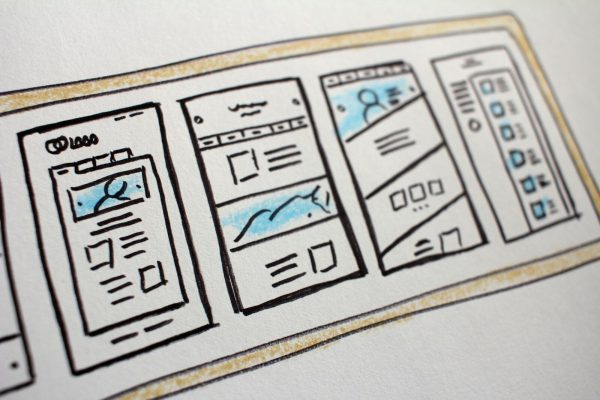
Unlike traditional design roles, UI/UX design requires a deep understanding of user behaviour, usability principles, and interaction design. Designers in this field conduct research, create wireframes, design interfaces, and test user experiences to ensure products are both functional and visually appealing.
The demand for UI/UX designers continues to grow as businesses prioritise digital transformation and customer experience. Salaries in this field typically range from $75,000 to $120,000 or more, making it one of the most lucrative design specialisations.
Graphic designers often transition into UI/UX roles by learning tools such as Figma and developing skills in user research and prototyping. Many online courses now include dedicated UI/UX modules to support this transition.
Motion Graphics Designer: The Rise of Visual Storytelling Through Animation
Motion graphics design has gained immense popularity with the growth of video content across platforms such as social media, streaming services, and digital advertising. Motion designers create animated visuals, including explainer videos, promotional content, and animated branding elements.
This career path combines graphic design principles with animation techniques, requiring proficiency in software such as Adobe After Effects. Motion designers must also understand timing, storytelling, and visual rhythm to create engaging content.
The increasing demand for video marketing has made motion design a valuable skill, with salaries ranging from $65,000 to $110,000 per year. Freelancers in this field can command high rates, particularly for complex animation projects.
Digital Marketing Designer: Designing for Performance and Conversion
Digital marketing designers play a crucial role in creating visuals that drive engagement and conversions. Their work includes social media graphics, online advertisements, email campaigns, and landing pages.
Unlike traditional design roles, this career path is highly performance-driven. Designers must understand metrics such as click-through rates, conversion rates, and audience targeting to optimise their work effectively.
The ability to combine creativity with data-driven decision-making makes digital marketing designers highly valuable. Salaries typically range from $50,000 to $85,000 per year, with opportunities for growth as businesses continue to invest in digital advertising.
Packaging Designer: Blending Creativity with Consumer Psychology
Packaging design is a specialised field that focuses on the visual and structural design of product packaging. This role requires an understanding of branding, materials, and consumer behaviour, as packaging often plays a critical role in purchasing decisions.
Designers in this field must balance aesthetics with practicality, ensuring that packaging is both visually appealing and functional. They also need to consider sustainability, which has become an increasingly important factor in modern design.
Salaries for packaging designers range from $55,000 to $90,000 per year, with opportunities to work in industries such as retail, food and beverage, and e-commerce.
Freelance Graphic Designer: Flexibility and High Earning Potential
Freelancing offers a flexible and potentially lucrative career path for graphic designers. Freelancers work independently, taking on projects from various clients across different industries.
While freelancing provides greater autonomy, it also requires strong business skills, including client acquisition, pricing, and project management. Successful freelancers often specialise in a niche area, such as branding or UI/UX design, to differentiate themselves in a competitive market.
Annual earnings for freelance designers can vary widely, ranging from $30,000 to over $150,000, depending on experience, reputation, and client base.
Essential Skills Required to Build a Graphic Design Career
Building a successful career in graphic design in 2026 requires a strong balance between creative ability, technical proficiency, and strategic thinking. At the foundation are core design principles such as typography, colour theory, composition, layout, and visual hierarchy, which determine how effectively a message is communicated visually. These principles are not tied to any specific software or trend, but instead form the enduring framework that supports all professional design work.
A strong understanding of these fundamentals allows designers to create visually cohesive and purposeful work across branding, digital media, advertising, and product design. Without this foundation, even advanced software skills tend to produce visually inconsistent or ineffective outcomes, which is why most successful designers continually refine their understanding of these basics throughout their careers.
Alongside theory, technical proficiency is essential, particularly in industry-standard tools such as Adobe Photoshop, Illustrator, and InDesign, as well as modern collaborative platforms like Figma for UI and UX design. However, technical skill alone is no longer sufficient in a competitive market. Employers and clients increasingly expect designers to demonstrate problem-solving ability, communication skills, and an understanding of how design impacts user behaviour and business outcomes.
This includes the ability to interpret briefs accurately, present ideas clearly, and adapt designs based on feedback and performance data. Equally important is the development of a strong, well-curated portfolio that showcases not just finished visuals, but the thinking and process behind each project. Combined with adaptability to emerging trends such as AI-assisted design tools and evolving digital platforms, these skills collectively define a modern, sustainable graphic design career.
The Best-Selling Online Graphic Design Courses in 2026
As graphic design continues to evolve into a digitally driven, multidisciplinary profession, choosing the right online courses has become essential for building relevant and future-proof skills. In 2026, the most valuable learning pathways are those that combine strong design fundamentals with hands-on experience in industry-standard tools, portfolio development, and real-world project work. The following courses represent some of the most effective options for developing the capabilities required in modern graphic design, each aligned with the key trends shaping the industry.
Graphic Design Masterclass – Udemy
Platform: Udemy
Duration: Approximately 30+ hours
Focus: Comprehensive fundamentals, Adobe tools, and project-based learning
This course is widely regarded as one of the best-selling graphic design programmes globally, offering a comprehensive introduction to both design theory and practical tools. It covers essential topics such as branding, typography, layout, and visual hierarchy, while also providing in-depth training in Adobe software. The inclusion of real-world projects ensures that learners can immediately apply their knowledge, making the learning process both practical and engaging.
In the context of 2026, this course remains highly relevant because it balances foundational principles with hands-on execution. As the industry becomes more competitive, employers increasingly look for designers who can demonstrate both conceptual understanding and technical proficiency. This programme is particularly valuable for beginners who want an all-in-one course that builds both confidence and a portfolio-ready body of work.
Graphic Design Specialization – Coursera (CalArts)
Platform: Coursera
Duration: 2 months (10 hours a week: self-paced)
Focus: Design thinking, visual communication, and portfolio development
This course focuses heavily on design thinking and visual communication, teaching learners how to approach design from a conceptual and problem-solving perspective before introducing tools. It explores typography, image-making, and composition in a structured way, helping students understand how to communicate ideas effectively through visual media.
Its importance in 2026 lies in its emphasis on strategic thinking rather than just software skills. As businesses increasingly value designers who can contribute to branding and user experience decisions, the ability to think critically about design becomes a major advantage. The inclusion of a capstone project allows learners to build a professional portfolio, making it particularly valuable for those seeking a strong conceptual foundation.
Adobe Graphic Designer Professional Certificate – Coursera
Platform: Coursera
Duration: 4 months (10 hours a week: self-paced)
Focus: Adobe tools, real-world projects, and job-ready skills
This programme is designed to provide job-ready skills by combining Adobe software training with practical design assignments. Learners gain hands-on experience using tools such as Photoshop, Illustrator, and InDesign while working on projects that reflect real industry scenarios.
In today’s design landscape, proficiency in Adobe tools remains a core requirement for many roles. What makes this course especially valuable is its focus on applying these tools in a professional context, rather than teaching them in isolation. This ensures that learners graduate with both technical skills and a portfolio that demonstrates their ability to solve real design problems, making it an excellent choice for career-focused individuals.
Graphic Design Masterclass – Skillshare
Platform: Skillshare
Duration: 2-3 weeks (10 hours a week: self-paced)
Focus: Core design principles, creative projects, and portfolio building
This course offers a structured yet flexible approach to learning graphic design, combining core design principles with practical, hands-on projects. It focuses on key areas such as typography, layout, branding, and visual composition, helping learners build a strong creative foundation while actively applying their skills. Through guided lessons and project-based learning, students develop a deeper understanding of how to create visually effective and engaging designs.
The relevance of this course in 2026 lies in its balance between structured learning and creative exploration. As the design industry continues to evolve, the ability to continuously learn and adapt is essential. This programme allows learners to build a portfolio through consistent project work while also developing the confidence to experiment with different styles and techniques. It is particularly well-suited for individuals who want a more guided alternative within Skillshare while still benefiting from the platform’s flexible, self-paced learning environment.
Designlab Design 101
Platform: Designlab
Duration: 4 weeks (3-5 hours a week: self-paced)
Focus: Mentorship, foundational design skills, and guided portfolio development
Designlab’s Design 101 course stands out for its mentorship-driven approach, offering personalised feedback from experienced designers. This structured guidance helps learners refine their work, improve their design thinking, and develop industry-ready skills.
In an increasingly competitive job market, feedback and mentorship can significantly accelerate progress. This course is particularly valuable for career changers who need both direction and accountability. By focusing on portfolio development and real-world application, it ensures that learners are well-prepared to transition into professional roles.
Shillington Graphic Design Course
Platform: Shillington Education
Duration: Approximately 3 months
Focus: Intensive, portfolio-driven training
This intensive programme is designed to fast-track learners into the graphic design industry through immersive, full-time or part-time study. It focuses heavily on building a strong portfolio, with projects that simulate real client work and industry scenarios.
Its relevance in 2026 comes from its ability to replicate a professional design environment, preparing students for the expectations of agency or in-house roles. The emphasis on practical work and industry connections makes it particularly suitable for individuals seeking a full career transition. By the end of the course, students typically have a polished portfolio and the confidence to enter the workforce as junior designers.
A Realistic Career Path in Graphic Design
A successful career in graphic design follows a structured progression that builds both creative ability and professional credibility over time. While the industry is flexible and allows for multiple entry points, most designers move through a similar developmental journey that begins with foundational learning and gradually advances into specialised, higher-paying roles.
Step 1: Learn the Fundamentals
The first stage of a graphic design career is focused on building a strong foundation in core design principles and essential tools. This includes understanding typography, colour theory, composition, layout, and visual hierarchy, which form the backbone of all effective design work. At the same time, learners begin developing technical proficiency in industry-standard software such as Adobe Photoshop, Illustrator, and InDesign, alongside modern platforms like Figma for digital and interface design. This stage is typically supported by structured online courses, self-directed practice, and guided projects that help translate theory into practical understanding. Without this foundation, it becomes difficult to progress into more advanced or specialised areas of design.
Step 2: Build Projects
Once the fundamentals are in place, the next step is to actively apply knowledge through consistent project work. This stage involves creating a variety of design outputs such as logos, posters, branding kits, social media graphics, and basic digital interfaces. The goal is to develop creative confidence while learning how to solve visual communication problems in real scenarios. Each project should focus on a specific objective, whether it is brand identity, message clarity, or user engagement, rather than simply producing visually appealing work. Over time, these projects begin to form the foundation of a professional portfolio that demonstrates both technical skill and creative thinking.
Step 3: Develop a Portfolio
The portfolio stage is one of the most important milestones in a graphic design career, as it becomes the primary tool for securing work opportunities. At this stage, the focus shifts from quantity to quality, with an emphasis on carefully curated projects that highlight problem-solving ability, conceptual thinking, and design versatility. Each piece should ideally include context, such as the brief, the design process, and the outcome, allowing viewers to understand how decisions were made. A strong portfolio not only showcases finished visuals but also communicates the designer’s approach to challenges, making it a critical factor in attracting clients or employers.
Step 4: Gain Experience
After building a solid portfolio, the next step is gaining real-world experience through freelance work, internships, or entry-level design roles. This stage is essential for understanding client expectations, working within deadlines, and adapting to feedback in a professional environment. Freelancing often provides flexibility and exposure to a variety of industries, while internships and junior roles offer structured learning and mentorship opportunities. Experience at this stage helps bridge the gap between academic learning and professional practice, allowing designers to refine their workflow, improve communication skills, and build credibility within the industry.
Step 5: Specialise
The final stage involves moving into a specialised area of graphic design based on interest, strengths, and market demand. Common specialisations include UI/UX design, branding and identity design, motion graphics, and digital marketing design. Specialisation allows designers to develop deeper expertise, command higher rates, and position themselves more competitively in the job market. In 2026, this stage is also influenced by emerging technologies such as AI-assisted design tools and data-driven creative workflows, which are reshaping industry expectations. By focusing on a niche, designers can build long-term career stability and transition into more advanced roles such as senior designer, art director, or independent creative consultant.
Building a Sustainable Career in Graphic Design
Building a sustainable career in graphic design in 2026 requires more than mastering tools or completing a handful of projects; it demands a long-term, strategic approach to growth, positioning, and adaptability. As the industry becomes increasingly competitive, designers must continuously refine their skills while staying aligned with evolving trends such as UI/UX design, motion graphics, and AI-assisted workflows.
Sustainability in this field comes from developing a strong personal brand, maintaining a high-quality and regularly updated portfolio, and identifying a niche that differentiates you from the broader market. Whether that niche lies in branding, digital product design, or content-driven marketing, specialisation allows designers to command higher rates and attract more consistent, higher-value opportunities over time.
Equally critical is the ability to treat your career as both a creative pursuit and a business. This means building strong client relationships, understanding pricing strategies, and leveraging platforms such as Behance and LinkedIn to increase visibility and credibility. Continuous learning through platforms like Udemy and Coursera ensures that your skill set remains relevant in a rapidly changing landscape.
Ultimately, long-term success in graphic design is built on consistency, adaptability, and a proactive mindset, where designers not only respond to industry changes but actively position themselves at the forefront of innovation and demand.
Final Thoughts
Graphic design in 2026 stands as one of the most adaptable and opportunity-rich career paths within the wider creative and digital economy. What makes it particularly compelling is its breadth, allowing individuals to begin with foundational design skills and evolve into specialised, high-paying roles such as UI/UX design, brand identity, or motion graphics. The earning potential across these pathways reflects both the demand for visual communication and the increasing value businesses place on design as a strategic function rather than a purely aesthetic one. At the same time, the industry rewards those who go beyond surface-level creativity by developing a deep understanding of user behaviour, marketing principles, and digital product ecosystems. Designers who can merge creativity with problem-solving and data-driven thinking are best positioned to secure long-term, financially rewarding careers.
Equally important is the accessibility of entering the field, with platforms such as Udemy, Coursera, and Skillshare making high-quality, project-based education available at scale. The most successful professionals are those who leverage these resources to build strong portfolios, continuously refine their skills, and adapt to emerging technologies such as AI-assisted design tools. Rather than relying on formal qualifications, the industry places emphasis on demonstrable ability, consistency, and a clear area of expertise. For anyone considering a career in graphic design, the pathway is more accessible than ever, but success ultimately depends on sustained effort, strategic learning, and the ability to evolve alongside an industry that continues to redefine itself.