


Intro
In 2026, photography success on social media is shaped as much by analytics as by creative vision. Instagram and TikTok have evolved into highly competitive platforms where algorithms reward engagement, consistency, and audience retention. For photographers, this means that understanding performance data is no longer optional. Analytics dashboards now play a critical role in helping photographers identify what content resonates, when to post, and how to grow a targeted audience. 📸
The growing importance of analytics in photography is tied to the shift toward data-driven creativity. Photographers are no longer guessing which images perform best. Instead, they rely on advanced engagement metrics, audience insights, and performance comparisons to refine their strategy. Whether showcasing portrait photography, travel imagery, product shoots, or editorial work, analytics tools help creators transform insights into measurable growth. This article explores the top tools for tracking photography engagement across Instagram and TikTok, compares analytics dashboards, identifies key engagement metrics, and highlights recommended online courses to upskill in 2026.
Lets Dive In
The Growing Importance of Analytics in Photography
Photography on Instagram and TikTok has moved beyond simple posting and hoping for engagement. Algorithms prioritize content that keeps users on the platform, encourages interaction, and generates shares. As a result, photographers must analyze performance trends to understand how their images and videos contribute to engagement signals. Data now informs decisions about editing style, composition, storytelling, and posting frequency.
Analytics dashboards allow photographers to identify which photography niches drive engagement. Landscape photographers may discover that golden hour images outperform midday shots, while portrait photographers may find that behind-the-scenes content drives higher watch time. These insights help photographers refine their content strategy, ensuring that creativity is supported by measurable outcomes. The integration of analytics into photography workflows has also improved consistency, allowing photographers to monitor progress and identify long-term growth patterns.
Another key reason analytics matters is monetization. Brands increasingly partner with photographers who demonstrate strong engagement metrics rather than simply large follower counts. Engagement rate, audience demographics, and content performance now influence collaboration opportunities. Photographers who understand analytics dashboards can present data-driven portfolios that appeal to potential clients, agencies, and sponsors.
Understanding Analytics Dashboards for Instagram and TikTok
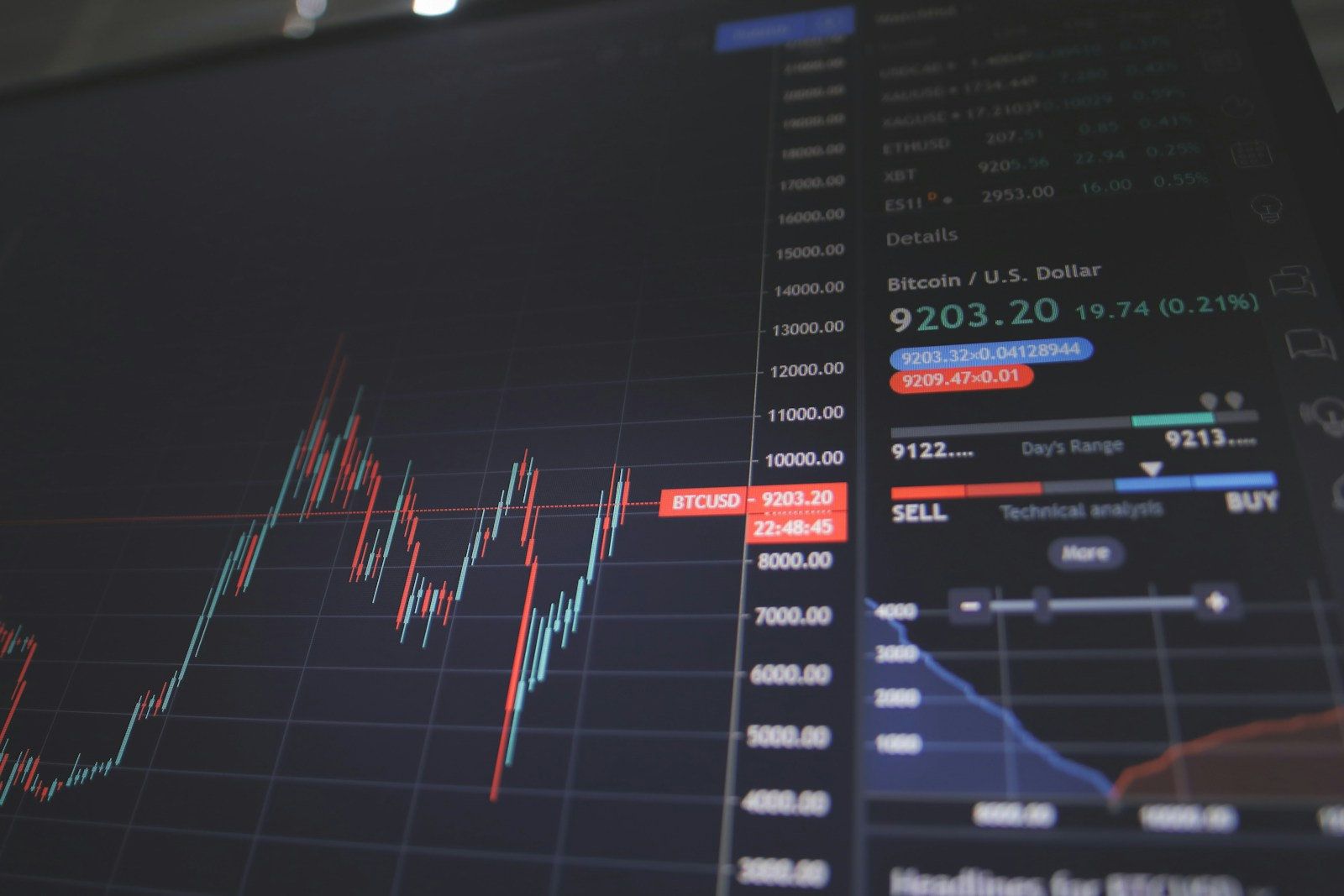
Analytics dashboards provide centralized data visualization that simplifies performance tracking. Instead of manually reviewing individual posts, photographers can analyze trends across multiple posts, campaigns, and content formats. Instagram analytics typically focus on reach, impressions, saves, comments, and follower growth. TikTok analytics emphasize watch time, shares, completion rate, and engagement velocity. The most effective dashboards combine these insights into unified reporting interfaces.
A strong analytics dashboard should offer visual performance graphs, audience insights, post comparisons, and exportable reports. Photographers benefit from dashboards that highlight top-performing posts, track engagement trends, and provide recommendations. Many modern tools also integrate artificial intelligence to detect patterns, predict performance, and suggest optimal posting times. These features help photographers save time while improving content quality and consistency.
Cross-platform analytics are particularly valuable. Photographers often post similar content across Instagram and TikTok, but performance may vary significantly. A unified dashboard allows photographers to compare results and determine which platform favors specific content styles. For example, cinematic reels may perform better on TikTok, while curated grids may drive higher engagement on Instagram. Understanding these differences is essential for optimizing content distribution.
Sprout Social as a Professional Analytics Dashboard
Sprout Social has emerged as one of the most comprehensive analytics tools for photographers who require advanced reporting capabilities. The platform provides detailed engagement metrics across Instagram and TikTok, allowing photographers to analyze performance trends over time. Its dashboard includes audience demographics, follower growth charts, and content performance comparisons. These features help photographers identify which photography styles generate the most engagement.
The reporting capabilities within Sprout Social make it particularly useful for professionals managing brand collaborations. Photographers can generate performance reports that demonstrate engagement improvements and campaign success. The platform also offers competitive analysis, allowing photographers to benchmark their performance against similar creators. This data-driven approach supports strategic decision-making and helps photographers refine their content direction.
Sprout Social also integrates scheduling and analytics, creating a streamlined workflow. Photographers can publish content, monitor performance, and adjust strategy within a single interface. This unified approach reduces time spent switching between platforms and ensures that analytics remain central to content planning.
Sked Social and Visual Performance Analytics
Sked Social is designed specifically for visual creators, making it particularly suitable for photographers. The platform emphasizes grid planning and visual content performance, allowing photographers to track engagement based on aesthetics and composition. Its analytics dashboard highlights which posts attract the most interaction, enabling photographers to refine visual storytelling.
The platform’s visual analytics approach helps photographers maintain consistent branding. By reviewing engagement data alongside visual layout, photographers can determine whether cohesive color grading, subject matter, or composition influences performance. This insight is particularly valuable for photographers building a strong visual identity on Instagram.
Sked Social also offers cross-platform analytics for TikTok, providing performance comparisons between short-form video content and static images. Photographers experimenting with slideshow reels or behind-the-scenes videos can evaluate which format drives higher engagement. The platform’s emphasis on visual performance makes it a strong choice for creators prioritizing aesthetics and consistency.
Brandwatch for Deep TikTok Analytics
Brandwatch is widely recognized for its advanced analytics capabilities, particularly for TikTok performance tracking. The platform provides detailed engagement insights, including shares, comments, and audience sentiment. Photographers using TikTok to showcase creative processes or portfolio highlights benefit from Brandwatch’s deep analytics.
One of Brandwatch’s strengths is trend analysis. The platform identifies emerging content trends, allowing photographers to adapt quickly. For example, photographers can monitor trending editing styles, storytelling formats, or subject themes. By aligning content with trends, photographers can increase discoverability and engagement.
Brandwatch also provides audience listening tools. These insights help photographers understand how viewers interact with content and what topics generate discussion. This data supports content refinement and helps photographers tailor their messaging to audience preferences.
Hootsuite and Multi-Platform Analytics Integration
Hootsuite offers a unified dashboard that combines analytics across multiple platforms. For photographers active on Instagram and TikTok, this integration simplifies performance tracking. The dashboard provides engagement metrics, audience insights, and content comparisons in a centralized interface.
Hootsuite’s analytics also include real-time monitoring. Photographers can track performance immediately after posting, allowing quick adjustments. This feature is particularly useful during campaigns or launches. The platform’s scheduling capabilities further enhance workflow efficiency by combining publishing and analytics.
Another advantage of Hootsuite is its scalability. Freelancers, agencies, and photography studios can use the platform to manage multiple accounts. This flexibility makes it suitable for photographers expanding their social media presence.
Buffer as a Simple Analytics Solution
Buffer is known for its simplicity and user-friendly analytics dashboard. Photographers new to analytics often prefer Buffer because it presents engagement metrics in an easy-to-understand format. The platform tracks likes, comments, shares, and follower growth, providing a clear overview of performance.
Buffer’s strength lies in its accessibility. Freelance photographers and small businesses benefit from straightforward reporting without complex features. The platform also integrates scheduling, allowing photographers to analyze performance alongside publishing activity.
Despite its simplicity, Buffer still offers valuable insights. Photographers can identify top-performing posts, analyze engagement trends, and refine content strategy. For beginners, Buffer provides an excellent starting point for data-driven photography growth.
Key Engagement Metrics Photographers Should Track
Understanding engagement metrics is essential for interpreting analytics dashboards. Engagement rate remains one of the most important indicators. It measures interactions relative to audience size, providing a realistic view of content performance. A high engagement rate suggests that content resonates strongly with viewers.
Saves represent another critical metric for photographers. Saved posts often indicate inspiration value, particularly for travel photography, portrait sessions, and editing styles. Content with high save counts typically performs well in algorithmic distribution.
Shares play a major role in TikTok visibility. When viewers share content, it reaches new audiences, increasing discoverability. Photographers creating educational or storytelling content often benefit from higher share rates.
Reach and impressions provide insight into audience exposure. Reach indicates unique viewers, while impressions represent total views. A high impressions-to-reach ratio suggests repeat engagement, which is valuable for brand recognition.
Watch time is particularly important on TikTok and Instagram Reels. Photographers using slideshow videos or storytelling formats should monitor completion rates and average watch duration. High watch time signals strong viewer interest.
Follower growth rate reflects long-term audience development. Consistent growth indicates successful content strategy. Audience demographics also provide valuable insights, helping photographers tailor content to specific niches or locations.
How Analytics Improves Photography Strategy
Analytics data allows photographers to refine creative decisions. By reviewing performance trends, photographers can identify which editing styles attract the most engagement. Some may discover that cinematic color grading drives higher interaction, while others find that natural tones perform better.
Posting time optimization is another benefit. Analytics dashboards highlight when audiences are most active. Photographers can schedule posts during peak engagement periods to maximize visibility.
Content experimentation becomes more effective with analytics. Photographers can test different compositions, captions, and storytelling approaches. Data reveals which variations perform best, supporting continuous improvement.
Analytics also supports niche specialization. Photographers may notice that certain subjects consistently outperform others. Focusing on high-performing niches helps build a loyal audience and strengthens brand identity.
Recommended Online Courses to Upskill in 2026
Upskilling in analytics and social media strategy is essential for photographers seeking sustainable growth on Instagram and TikTok. One of the most relevant options is the Social Media Marketing Specialization. This program teaches social media strategy, analytics interpretation, and content optimization, helping photographers analyze performance data and improve engagement across both platforms. By learning how algorithms prioritize interaction, photographers can refine their content approach and build a data-driven workflow that aligns creativity with measurable outcomes. The specialization also explores audience analysis, campaign measurement, and performance tracking techniques, enabling photographers to identify high-performing content themes and effective posting strategies.
Another valuable learning option is the Social Media Photography Course. This course focuses on creating engaging visuals specifically for Instagram and TikTok, covering storytelling techniques, mobile-first composition, and engagement-focused workflows. Photographers gain insight into how visual style influences metrics such as saves, shares, and watch time. The training also emphasizes platform-specific optimization, helping photographers adapt content for vertical video formats and audience behavior patterns. By combining creative photography techniques with engagement analytics, this course supports a balanced strategy that improves both visual quality and performance metrics.
Building a Data-Driven Photography Workflow
A data-driven photography workflow begins long before content is published and extends well beyond initial engagement tracking. Photographers who successfully leverage analytics typically start by reviewing historical performance data to identify recurring trends in their content. This may include recognizing which subjects, lighting styles, editing techniques, or storytelling formats consistently generate strong engagement on Instagram and TikTok. By analyzing past performance, photographers can plan future shoots with intention, aligning creative direction with audience preferences.
This approach reduces guesswork and allows photographers to design content that balances artistic expression with measurable performance outcomes. Once content is published, real-time analytics become crucial. Monitoring early engagement signals such as reach, saves, watch time, and shares helps photographers understand how audiences respond within the first few hours. These insights allow quick adjustments, such as modifying captions, refining hashtags, or resharing content in stories to boost visibility. Over time, this iterative process strengthens consistency and improves overall engagement performance.
Beyond individual posts, a comprehensive workflow involves structured weekly and monthly analysis to uncover broader trends. Photographers should compare content types, posting schedules, and visual styles to identify patterns that drive sustained growth. For example, analytics may reveal that behind-the-scenes videos increase follower growth, while polished portfolio images generate more saves. This level of insight supports smarter content batching, targeted shooting sessions, and more effective scheduling strategies.
Additionally, integrating audience demographic data into workflow planning helps photographers tailor content to specific niches, geographic regions, or client markets. Continuous learning plays a vital role in maintaining a data-driven approach, as platform algorithms and engagement behaviors evolve rapidly. Photographers who regularly refine their workflow, test new formats, and apply insights from analytics dashboards build a sustainable growth cycle where creativity and data reinforce each other. This structured yet flexible process ultimately enables photographers to scale their social media presence, attract collaborations, and convert engagement into long-term professional opportunities.
Final Thoughts
Analytics tools have transformed photography on Instagram and TikTok, making data-driven decision-making essential for growth in 2026. Platforms such as Sprout Social, Sked Social, Brandwatch, Hootsuite, and Buffer provide powerful dashboards that help photographers track engagement, analyze trends, and refine content strategies. By understanding metrics such as engagement rate, saves, reach, watch time, and audience demographics, photographers can optimize both creativity and performance.
The most successful photographers combine artistic vision with analytics insights. They use data to refine editing styles, improve storytelling, and identify high-performing niches. Upskilling through online courses further strengthens this approach, enabling photographers to interpret analytics dashboards effectively. As social media algorithms continue to prioritize engagement, photographers who embrace analytics will gain a significant advantage, building stronger audiences, attracting collaborations, and achieving sustainable growth.