

Intro
Economic modeling is rapidly evolving as cloud computing, artificial intelligence, interactive data visualization, and collaborative analytics platforms transform how economists build, test, and share models online. In 2026, economists, financial analysts, policymakers, and quantitative researchers increasingly rely on web-based collaborative economic modeling platforms that support real-time teamwork, version control, reproducible workflows, and dynamic forecasting systems. These platforms are helping organizations move beyond isolated spreadsheets and static reports toward scalable digital ecosystems capable of handling complex macroeconomic analysis, econometric forecasting, policy simulations, and machine learning-driven economic research.
The rise of collaborative economic modeling software reflects the growing need for transparency, computational scalability, and interactive economic intelligence across government, finance, academia, and consulting. Modern economic analysis now depends heavily on cloud-based infrastructure that allows multiple contributors to work simultaneously on large datasets, scenario testing, and predictive simulations while visualizing economic trends through interactive dashboards. As economics becomes increasingly integrated with data science and AI technologies, collaborative modeling platforms are emerging as essential tools for modern forecasting, policy analysis, and quantitative decision-making.
Lets Dive In
The Evolution of Economic Modeling in the Digital Era
Economic modeling has historically relied on desktop applications such as Excel, MATLAB, Stata, SAS, SPSS, EViews, and traditional statistical software environments. While these tools remain highly relevant in academic and professional economics, they were largely designed for individual analysts rather than globally distributed collaborative teams. As economic systems become increasingly interconnected and data-intensive, economists now require infrastructure that supports simultaneous collaboration, computational scalability, cloud integration, and advanced visualization.
Modern economic modeling extends far beyond traditional regression analysis and static forecasting. Economists now work with machine learning systems, agent-based simulations, dynamic stochastic general equilibrium models, network economics, behavioral simulations, climate-economic forecasting, and high-frequency financial data streams. These increasingly sophisticated analytical methods require flexible computational environments capable of supporting both technical precision and collaborative accessibility.
Collaborative economic modeling platforms address these evolving demands by combining cloud computing, real-time editing, version control systems, and interactive dashboards into unified ecosystems. These platforms allow economists to experiment with assumptions, compare policy scenarios, test forecasting sensitivity, and communicate findings through highly visual interfaces that can be shared across institutions and stakeholders.
The increasing importance of transparency in economic policymaking has also accelerated adoption of collaborative modeling systems. Governments and international institutions now face greater public scrutiny regarding fiscal forecasts, inflation projections, labor market analysis, and monetary policy decisions. Collaborative platforms improve accountability by enabling economists to document assumptions, track revisions, preserve modeling histories, and maintain reproducible analytical workflows.
Why Version Control Is Becoming Essential in Economics
One of the most significant innovations influencing collaborative economic modeling is the adoption of version control principles inspired by software development. In economics, even small changes to assumptions, variables, datasets, or parameter estimates can substantially alter model outcomes. Without proper tracking systems, teams can quickly lose visibility into how forecasts evolved or why analytical conclusions changed over time.
Version control systems allow economists to track every adjustment made to a model, including formula changes, parameter modifications, data updates, scenario branches, and forecasting revisions. This capability improves transparency, reduces analytical errors, and enables researchers to compare alternative economic assumptions systematically. In collaborative research environments, version control also prevents contributors from overwriting one another’s work and supports structured peer review processes.
The importance of reproducible economics has become particularly evident in policy-sensitive domains such as central banking, inflation targeting, public finance, trade economics, and climate policy analysis. Collaborative economic platforms that integrate model governance and revision tracking help institutions maintain analytical integrity while supporting distributed teamwork across departments and geographic locations.
As computational economics becomes more closely integrated with data science and artificial intelligence, economists are increasingly adopting coding workflows built around Python, R, Julia, Jupyter notebooks, Git repositories, and cloud collaboration tools. These technologies allow economic models to become more modular, transparent, and scalable than traditional spreadsheet-driven approaches.
Interactive Data Visualization and Economic Intelligence
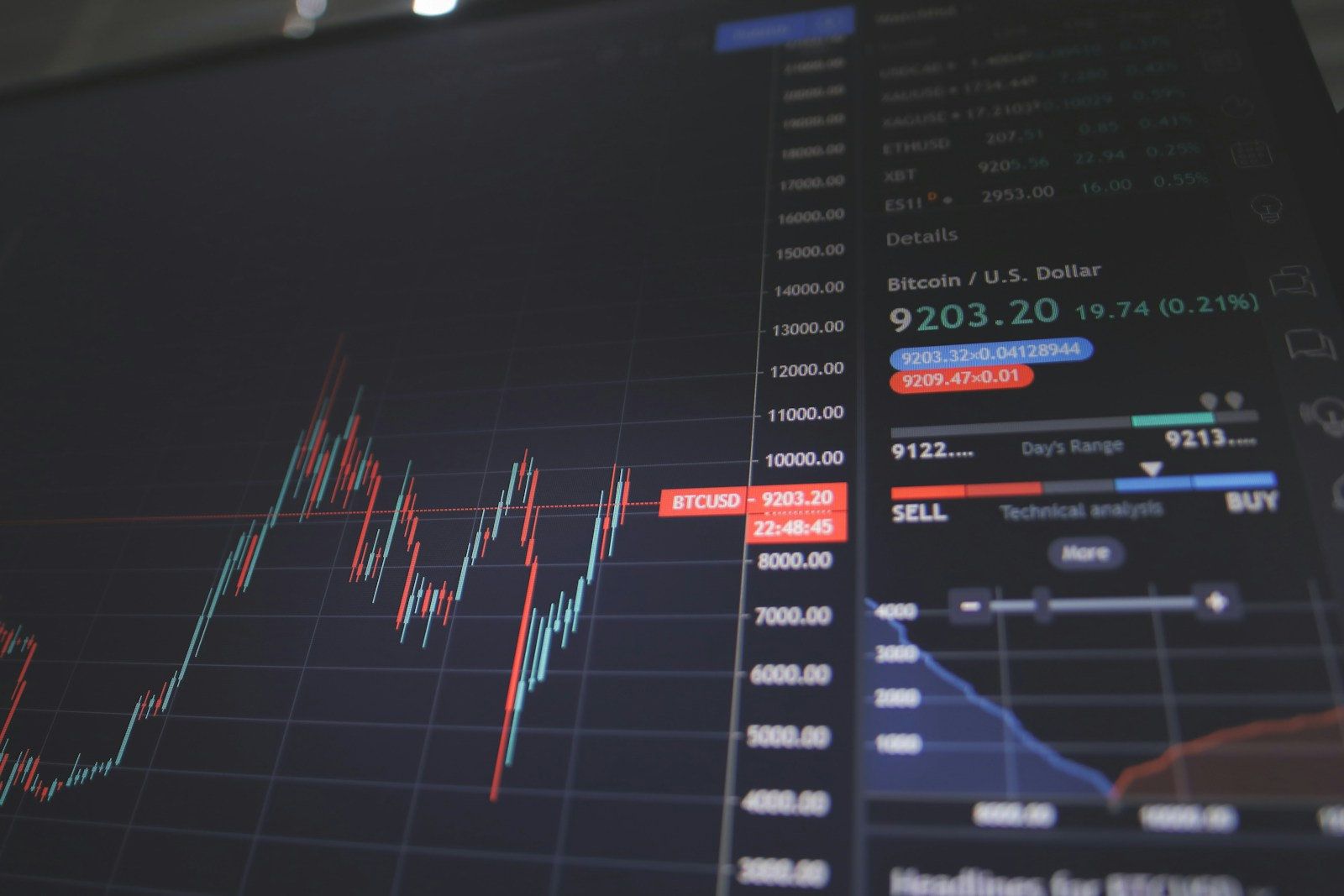
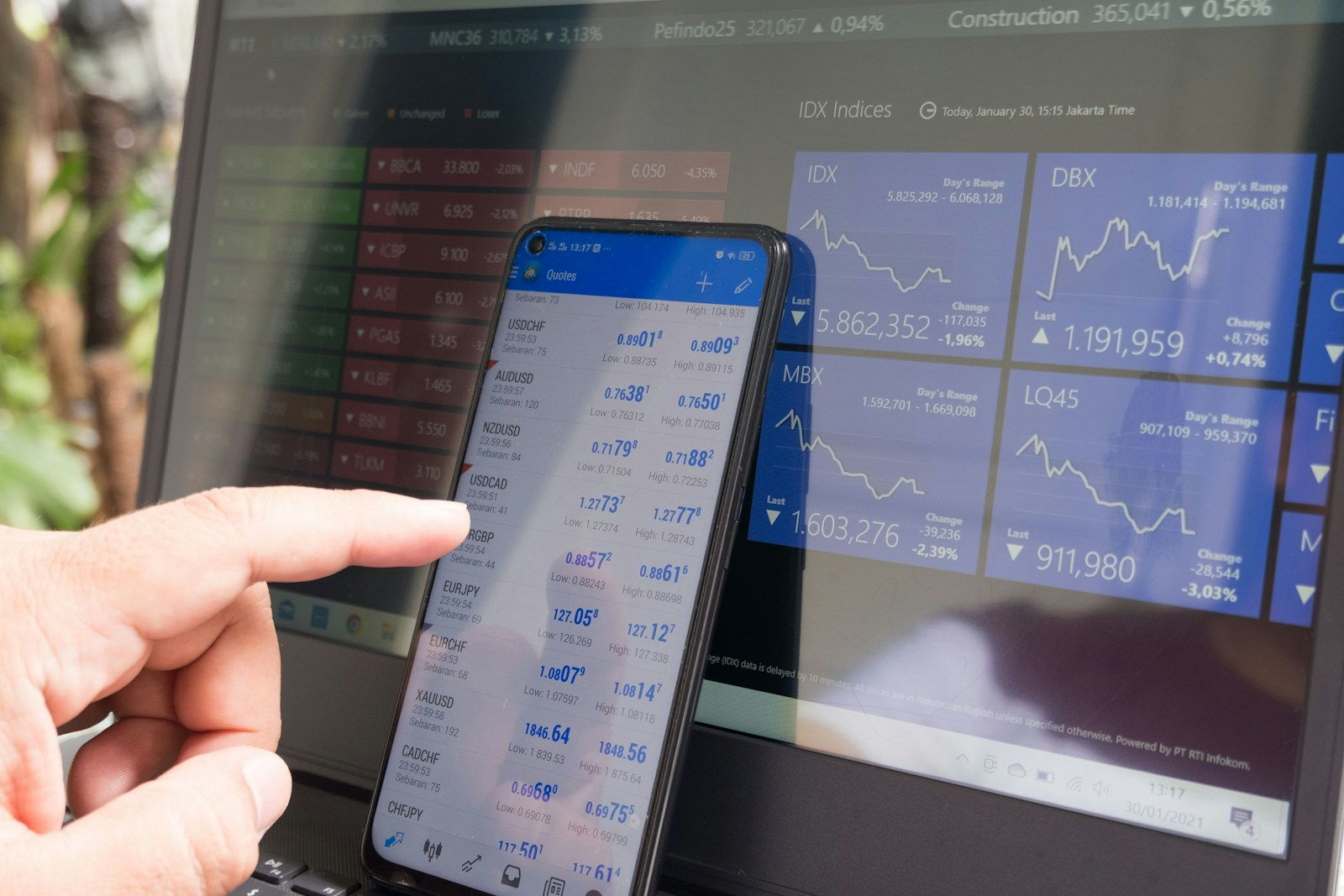
Interactive data visualization has emerged as one of the most important components of modern economic modeling platforms. Static charts and tables are increasingly insufficient for communicating complex economic systems, forecasting uncertainty, and multidimensional policy outcomes. Decision-makers now expect dynamic dashboards that allow users to explore data interactively, compare scenarios, and visualize economic trends in real time.
Modern economic visualization systems help analysts communicate highly technical findings to broader audiences, including policymakers, investors, business leaders, journalists, and the public. Interactive dashboards can display inflation trajectories, GDP forecasts, unemployment projections, trade flows, fiscal simulations, and market indicators in ways that improve accessibility and understanding.
Advanced collaborative economic platforms increasingly incorporate geospatial analytics, predictive visualizations, simulation interfaces, and real-time data streams into their ecosystems. Economists can now explore how policy changes affect labor markets, supply chains, investment behavior, and consumer activity through intuitive visual environments that simplify complex quantitative relationships.
The growth of interactive economic intelligence platforms also reflects the increasing importance of data storytelling in modern economics. Analysts who can combine rigorous modeling techniques with compelling visual communication are becoming highly valuable across finance, consulting, government, and technology sectors. Interactive visualization not only improves communication but also enhances exploratory analysis by allowing economists to identify patterns, anomalies, and relationships more efficiently.
Leading Platforms Enabling Collaborative Economic Modeling
Several web-based platforms are emerging as major players in collaborative economic modeling and computational analytics. These systems vary in specialization, ranging from forecasting and econometrics to simulation modeling and economic visualization.
Machinations.io has become one of the most innovative collaborative modeling platforms available in 2026. Originally developed for balancing game economies, the platform has evolved into a sophisticated environment for modeling complex economic systems, financial ecosystems, and resource allocation scenarios. The platform enables economists and analysts to create visual simulation models directly within a browser-based interface, allowing teams to test assumptions collaboratively and explore dynamic economic behavior through interactive simulations.
The visual nature of Machinations.io makes it especially useful for systems thinking, agent-based modeling, and economic experimentation. Teams can simulate monetary flows, resource distribution systems, market interactions, and behavioral responses while collaborating in real time across shared environments. The platform’s cloud-native architecture supports distributed teamwork and scenario-based experimentation, making it attractive for educational institutions, fintech startups, and policy simulation projects.
Visyond represents another major advancement in collaborative economics infrastructure by transforming traditional spreadsheet-based workflows into interactive web applications. Many economists and financial analysts continue relying heavily on spreadsheets for forecasting and scenario analysis, but spreadsheet fragmentation often creates governance and transparency challenges. Visyond addresses this issue by converting spreadsheet models into collaborative cloud-based dashboards with integrated visualization, auditing, and scenario-testing capabilities.
The platform allows teams to perform sensitivity analysis, compare forecasting scenarios, track changes, and share interactive dashboards securely across organizations. This approach modernizes traditional economic workflows while preserving compatibility with familiar spreadsheet methodologies. For consulting firms, corporate finance teams, and policy analysts transitioning toward cloud collaboration, Visyond offers an effective bridge between legacy tools and modern analytical ecosystems.
The Harvard Growth Lab has also become highly influential in demonstrating how collaborative economic intelligence systems can reshape development economics and policy analysis. Through platforms such as the Atlas of Economic Complexity, researchers can explore trade networks, export capabilities, industrial diversification patterns, and economic growth trajectories through highly interactive visual interfaces.
These systems illustrate how economic analysis is increasingly moving beyond static academic papers toward dynamic web-based knowledge ecosystems. Policymakers and researchers can collaborate around shared datasets, visualizations, and forecasting tools while communicating economic insights more effectively to wider audiences.
Agent-based simulation environments are also gaining momentum in computational economics. Browser-based modeling collaboratories now allow economists to develop and execute simulations directly online without requiring complex local installations. These systems support experimentation with behavioral economics, network effects, financial contagion modeling, market dynamics, and policy simulations within shared collaborative environments.
The Convergence of Economics, Data Science, and Cloud Computing
The rapid expansion of collaborative economic modeling platforms reflects the growing convergence between economics, machine learning, cloud computing, and data engineering. Modern economists increasingly require technical skills traditionally associated with software development and quantitative computing.
Cloud-native analytical infrastructure enables economists to process larger datasets, run computationally intensive simulations, and collaborate globally without depending on local hardware limitations. Distributed cloud systems also support automated workflows, real-time forecasting pipelines, and scalable computational environments capable of integrating machine learning models into economic analysis.
Artificial intelligence is further accelerating this transformation. Machine learning algorithms are increasingly used for macroeconomic forecasting, consumer behavior prediction, financial risk modeling, labor market analysis, and economic classification systems. Collaborative modeling platforms are beginning to integrate AI-assisted forecasting tools that help economists automate parts of the analytical process while improving predictive accuracy.
This convergence has created growing demand for economists who possess hybrid skill sets spanning econometrics, programming, visualization, and cloud collaboration. Traditional economic theory remains essential, but technical fluency in computational tools is becoming equally important in modern analytical environments.
Recommended High-Rated Online Courses for Skills Development in 2026
As collaborative economic modeling, computational economics, AI-driven forecasting, cloud analytics, and interactive data visualization continue reshaping modern economics and financial analysis in 2026, structured online learning has become one of the most effective ways for economists and analysts to build future-ready quantitative skills. Economic research is no longer limited to traditional spreadsheets or isolated econometric workflows; it now increasingly relies on cloud-based collaboration systems, machine learning models, reproducible computational environments, interactive dashboards, and large-scale economic data analysis across distributed digital ecosystems.
Modern economics education therefore places strong emphasis on applied, project-based learning that helps professionals develop practical expertise in econometrics, forecasting, causal inference, data science, computational modeling, Python programming, and collaborative analytics platforms. The following programmes represent some of the most valuable and industry-relevant online learning pathways for economists, financial analysts, policy researchers, and quantitative professionals seeking to build advanced modeling and economic intelligence skills in 2026.
Econometrics: Methods and Applications – Erasmus University Rotterdam (Coursera)
Platform: Coursera
Duration: 7 weeks (10 hours a week; self-paced)
Focus: Econometrics, regression analysis, forecasting, statistical inference, economic data analysis
The Econometrics: Methods and Applications programme from Erasmus University Rotterdam remains one of the most widely recognised online econometrics courses available in 2026. The course provides learners with a strong foundation in statistical modeling, regression analysis, forecasting techniques, and quantitative economic analysis, making it highly relevant for professionals working with collaborative economic modeling platforms and cloud-based forecasting systems.
As economic intelligence systems become increasingly data-driven, economists who understand how to interpret complex datasets and build predictive models are becoming highly valuable across government, finance, consulting, and international policy institutions. This programme is particularly beneficial because it teaches practical analytical workflows that support reproducible economic research and modern computational economics environments.
Quantitative Methods for Spatial Economics – Barcelona School of Economics
Platform: Barcelona School of Economics
Duration: 1 week (10 hours)
Focus: Spatial economics, computational modeling, policy forecasting, quantitative analysis
The Quantitative Methods for Spatial Economics programme is one of the strongest advanced learning pathways for economists seeking expertise in computational economics and large-scale policy analysis. The course focuses on spatial economic systems, quantitative forecasting methodologies, and computational techniques used to model regional economic activity and policy outcomes.
This programme is especially relevant in the context of modern collaborative economic platforms because geographic visualization, spatial analytics, and regional forecasting are becoming increasingly important in development economics, urban economics, infrastructure planning, and international trade analysis. Economists who can combine computational methods with advanced forecasting techniques are becoming essential contributors within modern data-driven policy environments.
A Crash Course in Causality: Inferring Causal Effects from Observational Data – University of Pennsylvania (Coursera)
Platform: Coursera
Duration: 2 weeks (10 hours; self-paced)
Focus: Causal inference, observational data analysis, statistical modeling, R programming
Causal inference has become one of the most important disciplines within economics, public policy, and machine learning-assisted forecasting. This highly rated programme from the University of Pennsylvania teaches economists how to identify causal relationships using observational data and advanced analytical methodologies commonly applied within policy evaluation and economic forecasting systems.
The course is particularly valuable because modern collaborative economic modeling increasingly depends on reproducible analytical frameworks capable of supporting evidence-based decision-making. Economists working in government, healthcare economics, development policy, and consulting frequently rely on causal inference techniques when building predictive economic models and evaluating the impact of policy interventions.
Computational Economics – University of Southampton
Platform: University of Southampton
Duration: Semester-length academic programme (150 hours)
Focus: Computational economics, simulation modeling, programming, numerical methods
The Computational Economics programme reflects the growing convergence between economics, software engineering, cloud analytics, and computational modeling. The course introduces learners to programming-based economic analysis, simulation systems, optimization methods, and computational forecasting techniques increasingly used within modern economic intelligence platforms.
As collaborative modeling platforms continue integrating AI systems, real-time forecasting pipelines, and advanced simulation environments, economists with computational skills are becoming highly sought after across quantitative finance, fintech, macroeconomic forecasting, and research institutions. This programme helps learners develop practical technical capabilities that align closely with cloud-based collaborative economics workflows.
QuantEcon – Computational Economics and Quantitative Modeling
Platform: QuantEcon
Duration: Self-paced open-access programme
Focus: Python for economics, quantitative modeling, computational macroeconomics, numerical methods
QuantEcon has become one of the most respected educational platforms for computational economics and quantitative economic modeling in 2026. The platform provides extensive training in Python programming, dynamic programming, numerical analysis, and computational macroeconomics while emphasizing reproducible research and collaborative analytical workflows.
This programme is especially valuable for economists transitioning toward cloud-based collaborative economic modeling environments because it focuses heavily on coding workflows, notebook-based research systems, and scalable computational methods. As economics increasingly overlaps with machine learning, data science, and cloud computing, QuantEcon provides one of the strongest foundations for economists seeking to modernize their technical and analytical capabilities for the future digital economy.
Future Trends Shaping Collaborative Economic Platforms
The future of collaborative economic modeling is likely to be heavily influenced by artificial intelligence, real-time analytics, decentralized computing, and increasingly immersive visualization systems. Economic models are becoming more adaptive, data-driven, and continuously updated through streaming data integration and automated forecasting pipelines.
AI-assisted economic modeling tools are already beginning to support code generation, automated visualization, forecasting interpretation, anomaly detection, and scenario explanation. These capabilities may significantly reduce the time required to build and refine complex economic models while expanding accessibility for non-technical stakeholders.
Real-time economic intelligence platforms are also becoming increasingly important. Governments, financial institutions, and multinational corporations now seek continuously updated economic dashboards capable of integrating live data streams from labor markets, supply chains, consumer behavior systems, and financial markets. Collaborative cloud infrastructure is essential for supporting these large-scale analytical ecosystems.
Decentralized collaboration technologies may also influence future modeling environments. Some researchers are exploring blockchain-inspired systems for preserving immutable modeling histories, ensuring analytical transparency, and supporting distributed verification of economic research. These systems could strengthen trust and governance within collaborative policy analysis environments.
Immersive visualization technologies may further reshape economic analytics during the coming decade. Advanced dashboards, interactive simulations, and augmented analytical interfaces could allow economists to explore complex systems more intuitively and communicate findings more effectively to policymakers and business leaders.
Final Thoughts
Collaborative economic modeling platforms are transforming how economists conduct research, build forecasts, test policy scenarios, and communicate insights in 2026. The shift from isolated desktop workflows toward cloud-based collaborative ecosystems reflects the increasing complexity of modern economic systems and the growing importance of transparency, scalability, interactive visualization, and real-time analytical collaboration. Platforms such as Machinations.io, Visyond, and the Harvard Growth Lab ecosystem demonstrate how economics is becoming more interconnected with cloud computing, machine learning, data science, and advanced visualization technologies.
At the same time, online learning platforms such as QuantEcon, Coursera, the Barcelona School of Economics, and IMF forecasting programs are helping economists develop the computational, analytical, and collaborative skills needed for the future of economics and finance. As AI-assisted forecasting, cloud analytics, and real-time economic intelligence continue evolving, economists who combine traditional economic expertise with programming, data visualization, and collaborative modeling capabilities will be exceptionally well positioned for careers in policy analysis, quantitative finance, economic consulting, and advanced research.