

Intro
Video has become the dominant form of digital communication, transforming how businesses, creators, media companies, and organisations connect with audiences. From social media campaigns and online advertising to streaming platforms, eLearning, gaming, eCommerce, and corporate communications, professional video content has become essential for attracting attention and building engagement. As demand for visual storytelling continues to grow, skilled video editors who can transform raw footage into compelling digital experiences are becoming increasingly valuable.
A career in video editing combines creativity, technology, storytelling, and problem-solving. Modern video editors are no longer limited to traditional film and television production; they now work across digital marketing, social media, content creation, online education, entertainment, and remote freelance industries. With the rise of artificial intelligence, cloud-based workflows, and accessible editing platforms, individuals can develop professional video editing skills faster than ever before and build careers through employment, freelancing, agency work, or entrepreneurship.
Lets Dive In
Understanding Video Editing in 2026
Video editing is the process of transforming raw video footage, audio recordings, graphics, animations, and visual elements into a finished production that communicates a specific message or story. While editing was historically associated with film studios and television production, it has evolved into a critical skill across almost every digital industry.
Modern video editors are responsible for much more than simply cutting footage together. They shape narratives, improve pacing, enhance visual quality, optimise content for different platforms, create engaging experiences, and ensure that videos achieve their intended purpose. A professional editor understands how creative decisions influence audience attention, emotional response, and overall engagement.
The growth of digital platforms has dramatically expanded opportunities for video editors. Businesses require promotional videos, product demonstrations, advertisements, social media content, training materials, and branded storytelling. Creators and influencers depend on editors to produce consistent content for platforms such as YouTube, TikTok, Instagram, and streaming services. Educational organisations use video editors to create online courses and learning experiences.
Artificial intelligence is also transforming the video editing industry. AI-powered tools can now assist with tasks such as automated editing, background removal, colour enhancement, subtitle generation, transcription, content repurposing, and workflow automation. Rather than replacing editors, AI is increasing productivity and allowing professionals to focus more on creativity, storytelling, and strategic decision-making.
The future of video editing belongs to professionals who combine technical expertise with creative judgement. Editors who understand storytelling, audience behaviour, digital platforms, and emerging technologies will have the strongest career opportunities.
Why Video Editing Is a High-Demand Career
The demand for skilled video editors continues to increase because video has become one of the most effective ways organisations communicate with customers. Businesses understand that audiences are more likely to engage with visual content than traditional text-based marketing, creating a growing need for professionals who can produce high-quality videos efficiently.
Social media has been one of the biggest drivers of demand. Platforms such as YouTube, TikTok, Instagram, and LinkedIn have made video content central to digital marketing strategies. However, successful content requires more than recording footage. Videos must capture attention quickly, maintain audience engagement, communicate effectively, and be optimised for each platform.
The growth of online businesses and the creator economy has created additional opportunities. Thousands of companies, entrepreneurs, influencers, educators, and content creators require regular video production but often lack the skills or time to edit content themselves. This has created significant opportunities for freelance video editors who can provide specialised services.
The entertainment industry also continues to require talented editors for films, television, documentaries, advertisements, music videos, and streaming content. While these roles are more competitive, they often provide opportunities for professionals with advanced technical skills and strong creative portfolios.
Remote work has further expanded career opportunities. Video editing is particularly suitable for remote careers because projects can be completed using cloud collaboration tools and digital workflows. Freelancers and employees can work with clients and companies anywhere in the world, creating a flexible career pathway.
The increasing use of AI-assisted editing tools is also creating demand for professionals who can manage modern creative workflows. Companies need editors who understand how to combine traditional editing techniques with new technologies to produce content faster and more effectively.
Understanding the Different Video Editing Career Pathways and Expected Salaries
Video editing is one of the most versatile careers within the digital creative industry, offering opportunities across entertainment, marketing, education, broadcasting, gaming, corporate communications, and online content creation. As demand for high-quality video continues to grow across platforms such as YouTube, TikTok, Instagram, LinkedIn, streaming services, and eCommerce, skilled editors can specialise in a wide variety of creative and technical disciplines. Career progression typically begins with foundational editing roles before advancing into specialist, leadership, freelance, or consultancy positions, allowing professionals to align their careers with their creative interests and long-term ambitions.
Entry-Level Video Editing Careers
A Junior Video Editor provides support to experienced production teams by organising footage, preparing editing timelines, synchronising audio, adding captions, and assisting with basic editing tasks. This role offers an excellent introduction to professional post-production workflows and typically offers annual salaries ranging from USD $40,000 to $60,000. As experience and technical confidence grow, many professionals progress into full Video Editor positions.
A Video Editor is responsible for transforming raw footage into polished, engaging content using editing software such as Adobe Premiere Pro, DaVinci Resolve, or Final Cut Pro. Their work includes storytelling, pacing, audio enhancement, colour correction, transitions, graphics integration, and final delivery for marketing campaigns, corporate communications, education, entertainment, and digital media. Entry-level professionals generally earn between USD $55,000 and $90,000, while experienced editors with strong portfolios frequently exceed USD $100,000 annually.
Digital Content and Social Media Video Editing Careers
A Social Media Video Editor specialises in producing short-form content for platforms including TikTok, Instagram Reels, Facebook, LinkedIn, and YouTube Shorts. These professionals understand audience behaviour, platform algorithms, trending formats, and engagement strategies that maximise visibility and audience retention. Salaries typically range from USD $50,000 to $85,000, with experienced specialists managing major brands or high-profile creators earning significantly more.
A YouTube Video Editor focuses on creating engaging long-form and short-form content designed to maximise viewer retention, subscriber growth, and channel performance. Responsibilities often include storytelling, pacing, thumbnail collaboration, audience optimisation, and analytics-driven content improvements. Professionals in this area commonly earn between USD $50,000 and $100,000, while successful freelance editors working with established creators can generate substantially higher incomes.
Motion Graphics and Visual Effects Careers
A Motion Graphics Designer combines video editing with animation, visual storytelling, and graphic design to create animated titles, branded graphics, advertisements, presentations, and promotional content. Using tools such as Adobe After Effects, Cinema 4D, and Illustrator, these specialists typically earn between USD $65,000 and $110,000, with senior designers commanding even higher salaries.
A Visual Effects (VFX) Artist creates sophisticated computer-generated imagery, compositing, simulations, and digital effects used in films, television, gaming, advertising, and immersive media. This technically demanding career often commands salaries between USD $75,000 and $150,000, with senior specialists working for major studios earning significantly higher compensation.
Film, Television and Commercial Production Careers
A Film and Television Editor works within the entertainment industry, editing feature films, documentaries, television programmes, and streaming productions. These professionals require advanced storytelling abilities, cinematic editing expertise, and close collaboration with directors and producers. Salaries generally range from USD $70,000 to $130,000, with editors working on major productions often earning considerably more depending on project budgets and experience.
A Commercial Video Editor specialises in advertising, branded content, promotional campaigns, and digital marketing videos. Working alongside creative agencies, marketing departments, and production companies, they create persuasive visual content designed to increase brand awareness and customer engagement. Annual salaries typically range between USD $60,000 and $120,000, particularly for editors working with large commercial clients.
Corporate Video Production Careers
A Corporate Video Editor produces professional business content including training programmes, recruitment videos, executive presentations, product demonstrations, webinars, and internal communications. These professionals commonly earn between USD $55,000 and $100,000, with opportunities to advance into broader corporate communications or creative leadership roles.
Post-Production and Technical Specialist Careers
A Post-Production Specialist oversees the technical finishing stages of video production, including advanced editing, colour grading, audio mastering, visual effects integration, quality assurance, and final export for multiple distribution platforms. Because of their highly specialised expertise, salaries typically range from USD $70,000 to $130,000 annually.
Freelance and Independent Video Editing Careers
Many experienced editors choose the Freelance Video Editor pathway, providing editing services directly to businesses, agencies, creators, educational organisations, and marketing teams. Income varies considerably based on reputation, specialisation, client relationships, and project volume. Many freelancers earn between USD $40,000 and $120,000 annually, while highly established specialists serving premium clients can exceed USD $150,000 per year.
Leadership and Executive Career Opportunities
With substantial industry experience, professionals often progress into leadership roles such as Creative Director, Post-Production Supervisor, Video Production Manager, or Video Editing Consultant. These positions involve overseeing creative teams, developing production strategies, managing large-scale commercial campaigns, and ensuring consistent creative quality across multiple projects. Senior leadership professionals commonly earn between USD $120,000 and $250,000+, often supplemented by performance bonuses, profit-sharing, or consultancy fees. As artificial intelligence, virtual production, cloud collaboration, and immersive media continue transforming digital content creation, experienced video editing professionals who combine creative storytelling with technical expertise are expected to remain in exceptionally strong demand across the global creative economy.
Your Video Editing Career Roadmap: From Beginner to Job-Ready
Building a successful career in video editing requires far more than learning how to use editing software. Professional editors combine technical expertise with storytelling, creativity, visual communication, attention to detail, and an understanding of how different audiences consume video content across digital platforms. While mastering every aspect of post-production takes years of experience, motivated learners can realistically develop the practical skills required for entry-level employment within six to twelve months through structured learning, consistent practice, and portfolio development.
Months 1–3: Build Your Video Editing Foundations
During the first two to three months, aspiring editors should focus on mastering the fundamentals of video editing, including storytelling techniques, pacing, shot sequencing, continuity, composition, file management, codecs, video formats, and efficient editing workflows. At the same time, learners should become proficient with at least one industry-standard editing platform such as Adobe Premiere Pro, DaVinci Resolve, or Final Cut Pro while gaining a working knowledge of complementary creative tools such as Adobe Photoshop, Audition, and Media Encoder. Developing an understanding of colour theory, audio fundamentals, copyright considerations, and content creation for platforms including YouTube, TikTok, Instagram, and LinkedIn provides a strong technical foundation for future career growth.
Months 3–6: Develop Advanced Editing Skills and Build Your Portfolio
Between the third and sixth month, learners should expand their technical capabilities by exploring more advanced editing techniques, including colour correction and grading, audio enhancement, motion graphics, title design, keyframe animation, green screen compositing, multicamera editing, visual effects, and workflow optimisation. During this stage, it is important to build a diverse portfolio that showcases different editing styles and production formats, including promotional videos, corporate presentations, YouTube content, documentaries, advertisements, product demonstrations, educational videos, podcasts, and short-form social media content.
Learn Professional Workflows and Industry Best Practices
Learners should also become familiar with client communication, creative briefs, revision workflows, project management, and collaborative editing environments using cloud-based storage and version control systems. Understanding video search optimisation (Video SEO), audience retention, platform algorithms, and performance analytics further strengthens employability by enabling editors to produce content that not only looks professional but also delivers measurable business and audience engagement outcomes.
Months 7–12: Specialise and Gain Real-World Experience
From the seventh to twelfth month, aspiring professionals should begin specialising in areas that align with their interests and long-term career goals, such as commercial video production, social media content, YouTube editing, corporate communications, motion graphics, documentary filmmaking, visual effects, or freelance video editing. Completing recognised certifications, working with real clients, contributing to creative agencies, volunteering for community projects, or collaborating with content creators helps build valuable industry experience while expanding a professional portfolio.
Launch Your Professional Video Editing Career
Developing a strong online presence through platforms such as LinkedIn, Behance, Vimeo, or a personal portfolio website, alongside networking with creative professionals and mastering AI-powered editing tools, will further improve employment opportunities. With consistent practice, a polished portfolio, and experience delivering real-world projects, learners can realistically become competitive candidates for Junior Video Editor, Video Editor, Social Media Video Editor, or Content Creator positions within a year, while establishing the foundation for long-term progression into senior post-production, creative leadership, consulting, or freelance entrepreneurship.
Developing the Essential Skills for a Successful Video Editing Career
A successful video editing career requires far more than learning how to operate editing software. While technical proficiency with professional tools is essential, the most successful editors combine software knowledge with storytelling ability, creative judgement, audience understanding, and strong production workflows.
Modern video editors are expected to understand how content performs across different platforms and audiences. A corporate training video, a YouTube documentary, a TikTok advertisement, and a cinematic production all require different editing approaches. Professional editors must understand pacing, emotional impact, visual communication, and how editing choices influence viewer behaviour.
As the industry continues to evolve, the most valuable editors will be those who combine traditional editing expertise with emerging technologies such as artificial intelligence, automation tools, and cloud-based production workflows.
Video Editing Fundamentals and Storytelling
The foundation of professional video editing is understanding how to communicate a story effectively. Editing is not simply arranging clips in sequence; it is the process of shaping emotion, controlling attention, and guiding audiences through a narrative.
Editors must understand concepts such as pacing, rhythm, composition, continuity, visual flow, and storytelling structure. A skilled editor knows when to create tension, when to slow down a scene, when to emphasise important moments, and how to maintain audience engagement.
Storytelling skills are particularly important because businesses and creators increasingly use video to communicate ideas, build brands, educate audiences, and influence decisions. Editors who understand narrative structure can transform ordinary footage into compelling content.
Adobe Premiere Pro and Professional Editing Software
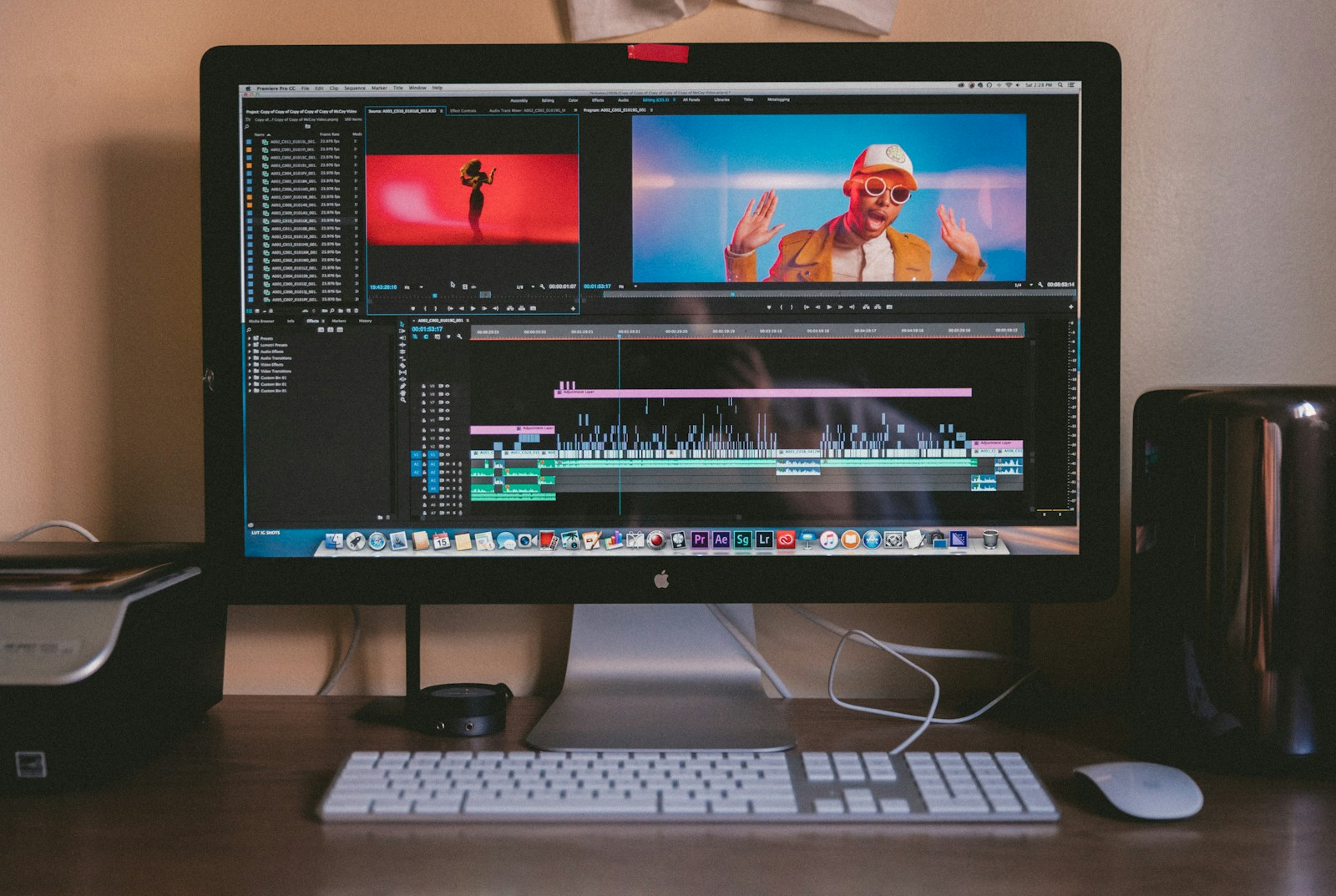
Knowledge of professional editing software is one of the most important technical requirements for video editors. Adobe Premiere Pro remains one of the most widely used platforms across film, television, advertising, marketing, and digital content production.
Professional editors should understand how to manage projects, organise media files, create timelines, edit sequences, apply transitions, adjust colour, improve audio, and export content for different platforms.
Other widely used editing platforms include DaVinci Resolve, Final Cut Pro, Avid Media Composer, and emerging AI-powered editing applications. Developing expertise in one primary platform while understanding the wider editing ecosystem gives professionals greater flexibility.
DaVinci Resolve has become particularly popular because it combines video editing, colour grading, visual effects, and audio production within one platform. Its advanced colour tools make it widely used in professional film and commercial production.
Final Cut Pro remains popular among creative professionals using Apple hardware because of its speed, intuitive workflow, and performance optimisation.
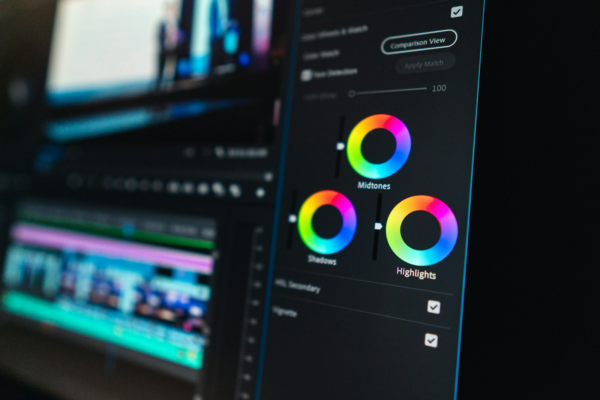
Colour Correction and Colour Grading
Colour plays a critical role in shaping how audiences experience video content. Professional editors must understand how colour influences mood, storytelling, and brand identity.
Colour correction focuses on creating consistency between different shots by balancing exposure, brightness, contrast, and colour accuracy. Colour grading involves creating a specific visual style that supports the emotional direction of a project.
For example, a luxury brand advertisement may use a sophisticated cinematic colour style, while a social media campaign may require bright and energetic visuals. Understanding these differences helps editors create content that aligns with audience expectations and brand objectives.
Knowledge of colour theory, lighting principles, and professional colour workflows is increasingly valuable for editors working in commercial, entertainment, and marketing environments.
Audio Editing and Sound Design
Audio quality is one of the most overlooked aspects of video production, yet it has a significant impact on viewer perception. Poor sound quality can reduce the effectiveness of even visually impressive content.
Professional editors should understand dialogue editing, background noise reduction, music selection, sound effects, audio mixing, and volume balancing.
Sound design helps create emotional impact by enhancing storytelling. Background music, environmental sounds, and carefully timed audio effects can dramatically improve audience engagement.
For social media, marketing, and online education content, clear audio is often just as important as visual quality because audiences need to understand information quickly and easily.
Motion Graphics and Animation
Motion graphics have become an increasingly important skill for modern video editors. Businesses use animated graphics, text overlays, data visualisations, and branded elements to create more engaging content.
Editors who understand motion design can create professional promotional videos, explainer videos, advertisements, presentations, and social media content.
Adobe After Effects remains one of the leading platforms for motion graphics and visual animation. Skills in typography animation, logo animation, visual effects, and compositing can significantly increase career opportunities.
Motion graphics skills are particularly valuable because they allow editors to provide a wider range of creative services and work across industries such as marketing, technology, education, and entertainment.
Visual Effects and Advanced Post-Production
Visual effects have expanded beyond Hollywood productions and are now widely used in advertising, online content, gaming, and digital marketing.
Editors with visual effects skills can create advanced transitions, compositing effects, background replacements, object removal, and digital enhancements.
While advanced VFX requires specialised knowledge, understanding the fundamentals gives editors a competitive advantage. Many businesses increasingly expect video professionals to produce visually impressive content without requiring large production teams.
Learning tools such as Adobe After Effects, Blender, and DaVinci Resolve Fusion can help editors progress into advanced creative roles.
Short-Form Video Editing for Social Media
Short-form video has become one of the fastest-growing areas within the video editing industry. Platforms such as TikTok, Instagram Reels, and YouTube Shorts have created demand for editors who understand how to capture attention within seconds.
Short-form editing requires different skills compared with traditional video production. Editors must understand fast pacing, attention hooks, captions, mobile-friendly formats, trending styles, and audience retention.
Successful short-form editors understand that the first few seconds are critical. They use strong openings, dynamic editing, visual changes, subtitles, and engaging storytelling techniques to maintain viewer interest.
Businesses, influencers, and creators increasingly hire specialist short-form editors because consistent video output has become essential for online growth.
YouTube and Long-Form Content Editing
YouTube remains one of the largest opportunities for professional video editors. Successful channels often require consistent editing support to maintain publishing schedules and improve audience retention.
YouTube editors must understand storytelling structures, viewer psychology, pacing, thumbnails, retention strategies, and platform-specific expectations.
Long-form editing involves organising large amounts of footage, maintaining narrative flow, improving engagement, and creating a professional viewing experience.
Editors who specialise in YouTube content can build long-term relationships with creators and businesses while developing valuable expertise in digital media production.
AI-Powered Video Editing and Future Technologies
Artificial intelligence is transforming the video editing industry by automating repetitive tasks and improving creative workflows. Modern editors increasingly use AI tools to save time and enhance productivity.
AI-powered editing platforms can assist with automatic transcription, subtitle creation, scene detection, background removal, colour enhancement, video summarisation, and content repurposing.
Generative AI tools can also support creative development by helping editors generate ideas, create visual concepts, produce supporting graphics, and optimise content for different audiences.
However, AI is unlikely to replace skilled editors because effective video editing requires creativity, storytelling ability, emotional understanding, and strategic decision-making. Instead, AI will become an important productivity tool that allows editors to focus on higher-value creative work.
Professionals who learn how to integrate AI into their workflows will have a significant advantage in the future job market.
Essential Video Editing Tools and Platforms
Professional video editors should develop familiarity with a range of creative tools that support different stages of production.
Adobe Creative Cloud remains one of the most widely recognised ecosystems in the industry, providing access to Premiere Pro for editing, After Effects for motion graphics, Photoshop for design assets, and Audition for audio production.
DaVinci Resolve has become a major professional platform because of its combination of editing, colour grading, visual effects, and audio capabilities.
Final Cut Pro continues to be popular among Apple-based creative professionals, particularly in independent production and content creation.
Canva Video and CapCut have also become increasingly popular for social media content because they allow creators and marketers to produce professional-looking videos quickly.
AI-powered platforms are also becoming increasingly important, offering automated editing, caption generation, content resizing, and workflow optimisation.
Professional Certifications and Learning Pathways
Although a strong portfolio remains one of the most important factors in securing video editing opportunities, professional certifications can help demonstrate technical capability and commitment to learning.
Adobe certifications provide recognised validation of skills using industry-standard creative software. Certification in Adobe Premiere Pro or After Effects can strengthen credibility for professionals pursuing corporate, commercial, or creative industry roles.
Blackmagic Design provides official training resources for DaVinci Resolve, helping learners develop professional editing and colour grading skills.
Online learning platforms such as LinkedIn Learning, Udemy, Coursera, and specialised creative education platforms provide structured pathways for developing editing expertise.
Continuous learning is particularly important in video editing because software, platforms, and creative trends change rapidly.
Building a Professional Video Editing Portfolio
A strong portfolio is one of the most important assets for aspiring video editors. Employers and clients often evaluate candidates based on demonstrated ability rather than qualifications alone.
A professional portfolio should showcase a variety of projects that demonstrate technical skill and creative range. This may include social media advertisements, YouTube videos, promotional content, educational videos, product demonstrations, cinematic edits, and motion graphics projects.
Each project should demonstrate more than technical editing ability. It should show understanding of storytelling, audience goals, brand objectives, and creative decision-making.
Aspiring editors can build experience by creating personal projects, supporting small businesses, editing content for creators, volunteering for organisations, or producing sample projects based on real-world scenarios.
An online portfolio website, LinkedIn profile, and professional social media presence can help attract employers and freelance clients.
The Best Online Courses to Build a Video Editing Career in 2026
Developing a successful video editing career requires a combination of technical software skills, creative storytelling ability, production knowledge, and an understanding of modern content platforms. While editing software continues to become more accessible, professional video editors must understand how to create content that communicates effectively, maintains audience attention, and achieves specific goals.
The strongest learning pathways combine industry-standard editing software with practical projects, storytelling principles, motion graphics, colour correction, audio production, and emerging AI-powered workflows. The following online courses have been selected based on strong learner feedback, industry relevance, practical projects, and their ability to help students develop professional video editing capabilities.
These courses are suitable for beginners entering the creative industry, content creators looking to improve production quality, marketing professionals developing video skills, and aspiring freelancers building a professional editing career.
Adobe Premiere Pro Masterclass: Video Editing in Premiere | Udemy
Platform: Udemy
Duration: 27+ Hours (Self-Paced)
Focus: Adobe Premiere Pro, Professional Video Editing, Colour Correction, Audio Editing, Motion Graphics
One of Udemy’s highest-selling video editing courses, this comprehensive masterclass is designed for beginners through to intermediate editors who want to develop professional editing skills using Adobe Premiere Pro. Learners build practical experience by working with real-world footage while mastering editing workflows, transitions, audio enhancement, colour correction, effects, green screen editing, and export settings for multiple platforms.
The course emphasises project-based learning, allowing students to create polished videos suitable for YouTube, social media, business marketing, and commercial production. Its comprehensive curriculum makes it an excellent starting point for aspiring Video Editors, Content Creators, and Digital Marketing Professionals.
Course Link: Adobe Premiere Pro Masterclass: Video Editing in Premiere | Udemy
Premiere Pro Essential Training | LinkedIn Learning
Platform: LinkedIn Learning
Duration: 6 Hours (Self-Paced)
Focus: Adobe Premiere Pro, Editing Fundamentals, Professional Workflow, Storytelling
Taught by respected instructor Ashley Kennedy, this course introduces learners to professional editing techniques used throughout the creative industry. Students learn how to organise media, edit efficiently, enhance audio, apply colour correction, create titles, manage projects, and export videos for a wide variety of distribution platforms.
Its practical, industry-focused approach makes it an excellent resource for aspiring video editors, marketing professionals, YouTube creators, and corporate media specialists looking to build a strong editing foundation.
Course Link: Premiere Pro Essential Training | LinkedIn Learning
DaVinci Resolve Fundamentals | LinkedIn Learning
Platform: LinkedIn Learning
Duration: 7 Hours (Self-Paced)
Focus: DaVinci Resolve, Colour Grading, Video Editing, Audio Post-Production
DaVinci Resolve has become one of the world’s leading professional editing platforms for filmmaking, television, YouTube production, and commercial content. This course introduces learners to editing, colour grading, audio mixing, media organisation, and complete post-production workflows using Blackmagic Design’s industry-standard software.
The programme is particularly valuable for learners interested in cinematic editing, documentary production, independent filmmaking, and professional post-production careers.
Course Link: DaVinci Resolve Fundamentals | LinkedIn Learning
Adobe Premiere Pro CC – Essentials Training Course | Udemy
Platform: Udemy
Duration: 16+ Hours (Self-Paced)
Focus: Adobe Premiere Pro, Professional Editing Workflow, Colour Grading, Audio Production
This comprehensive course provides a structured introduction to Adobe Premiere Pro, taking learners from beginner level through advanced editing techniques. The curriculum covers project organisation, cinematic editing, colour grading, audio mixing, multicamera editing, green screen effects, and exporting videos for web, television, and social media.
Its project-based approach makes it an excellent choice for aspiring video editors, YouTube creators, freelancers, and digital marketing professionals seeking practical, job-ready editing skills.
Course Link: Adobe Premiere Pro CC – Essentials Training Course | Udemy
Blackmagic Design – DaVinci Resolve Certified Training
Platform: Blackmagic Design
Duration: Self-Paced
Focus: DaVinci Resolve, Professional Editing, Colour Correction, Audio Post-Production, Visual Effects
Created by the developers of DaVinci Resolve, this official training programme provides one of the most comprehensive introductions to professional post-production available. Learners explore editing workflows, cinematic colour grading, Fairlight audio production, Fusion visual effects, and professional project management using the same software employed across Hollywood productions and major streaming platforms.
Because it is developed by Blackmagic Design, the course aligns closely with industry best practices and provides an outstanding foundation for careers in film, television, commercial production, and digital media.
Course Link: Blackmagic Design – DaVinci Resolve Certified Training
Turning Video Editing Skills Into Employment
The transition from learning video editing to building a professional career depends heavily on creating a strong portfolio and gaining practical experience. Unlike many traditional careers, video editing allows individuals to demonstrate ability through completed projects rather than relying only on qualifications.
Aspiring editors should create a portfolio showcasing different styles of work, including promotional videos, social media content, YouTube edits, advertisements, educational videos, and creative projects. A strong portfolio should demonstrate technical ability, storytelling skills, creativity, and understanding of audience objectives.
Freelancing provides one of the fastest pathways into the industry because businesses, creators, and online organisations constantly require video content. Platforms, professional networks, and direct outreach can help beginners gain their first clients and build experience.
As professionals develop expertise, they can specialise in areas such as short-form social media content, commercial advertising, cinematic editing, motion graphics, or AI-assisted video production. These specialised skills can lead to higher-paying opportunities and long-term career growth.
The future of video editing belongs to professionals who combine creativity with technology. Editors who understand storytelling, digital platforms, AI tools, and audience behaviour will be best positioned to succeed in an industry experiencing rapid growth.
Final Thoughts
Video editing has become one of the most valuable creative technology skills in the modern digital economy. As businesses, creators, and organisations increasingly rely on video to communicate with audiences, demand continues to grow for professionals who can produce engaging, high-quality content. The role of the video editor has expanded beyond traditional production into digital marketing, social media, online education, entertainment, and entrepreneurship.
Building a successful video editing career requires a combination of technical expertise, creative thinking, and practical experience. By mastering industry-standard software, developing storytelling skills, understanding digital platforms, learning AI-assisted workflows, and building a strong portfolio, aspiring editors can create opportunities across multiple industries. Whether pursuing employment, freelancing, content creation, or creative leadership, video editing provides a flexible and future-focused career pathway.