







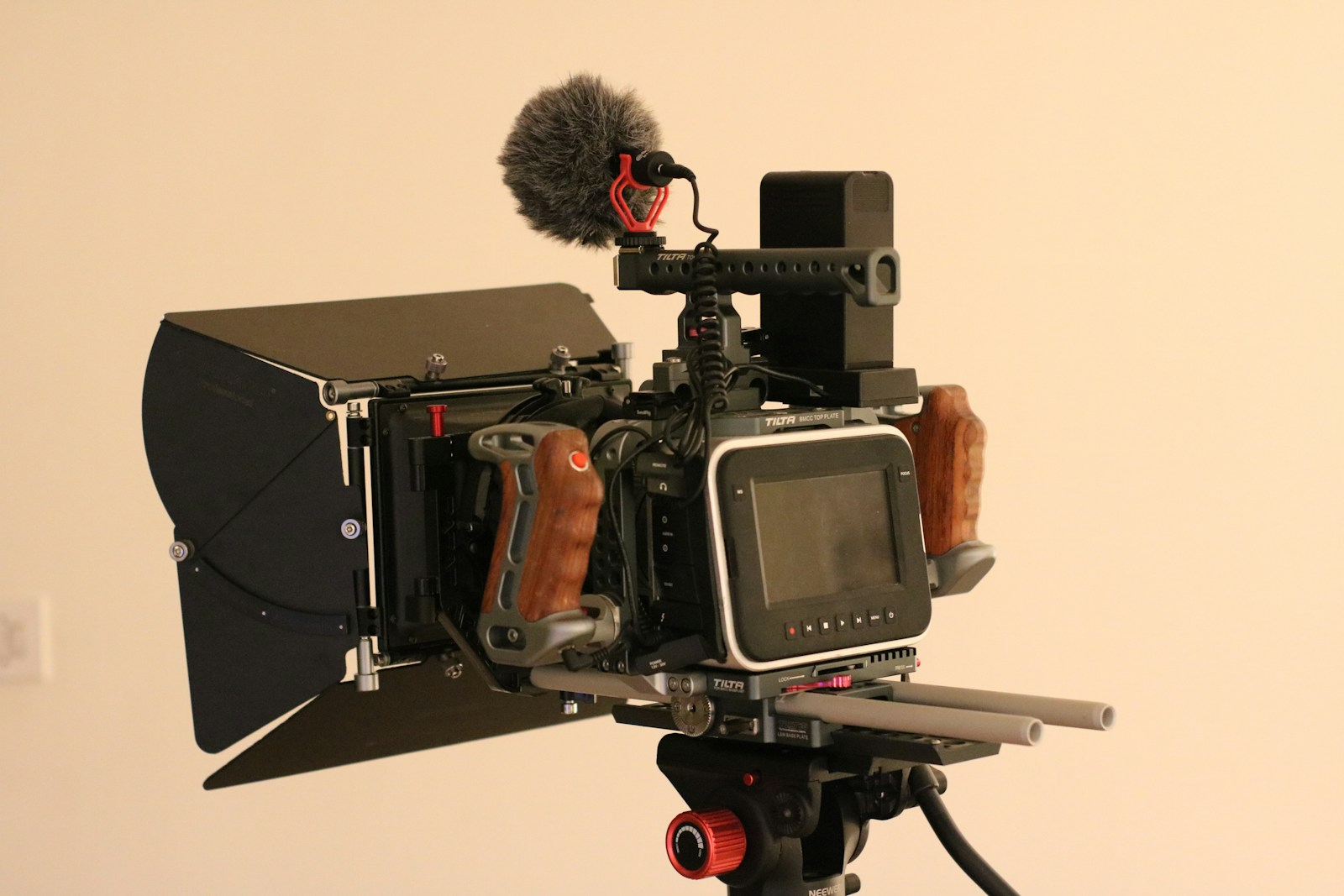
Intro
Video design in 2026 is no longer defined solely by cutting-edge software or flashy visual effects. It has evolved into a multidisciplinary field that blends creativity, technology, storytelling, and audience psychology. Modern video creators are tasked with producing content that not only captures attention but also resonates emotionally across multiple platforms, from vertical social feeds to immersive VR environments. The convergence of artificial intelligence, motion graphics, real-time 3D rendering, and interactive media has fundamentally changed how designers conceive, produce, and deliver video content.
Today’s video design is a hybrid of traditional cinematic techniques, motion-based storytelling, and AI-assisted workflows. Designers are not just editors—they are narrative architects, visual strategists, and technologists who must understand audience behavior, digital platform constraints, and emerging visual trends. Authenticity and emotional resonance are more valuable than ever, and raw, human-centered storytelling is shaping audience engagement in unprecedented ways.
Lets Dive In
The Rise of AI in Video Design
One of the most transformative trends in video design today is the integration of artificial intelligence across the creative workflow. AI is reshaping every stage of video production, from ideation and scripting to editing, cinematography, and even storytelling. Tools that can analyze scripts and automatically suggest optimal storyboards or camera movements are no longer futuristic fantasies — they are accessible realities. Modern AI platforms can interpret a textual brief and generate entire scenes, sequence suggestions, cinematographic guides, and narrative threads without traditional human intervention. These systems use intelligent script analysis to understand emotional beats, character arcs, tone, and pacing, effectively acting as virtual creative assistants that enhance human creativity rather than replace it.
At the same time, AI tools are enabling creators to repurpose static imagery into motion, animate existing designs, upscale footage, synthesize voiceovers, and generate entire visual sequences in minutes rather than days. The democratization of tools like Runway, Flux AI, Luma Dream Machine, and others means that creators can experiment across visual formats at scale, rapidly testing ideas for social platforms, advertising, and narrative content.
Critically, this trend changes the role of the video designer itself. Designers are evolving into hybrid creators who can articulate director‑level intentions through prompts and AI systems. The old model of manually assembling shots and sequencing is giving way to a more orchestration‑led workflow where designers cue the creative logic, and AI handles technical execution.
Authenticity and Imperfection as Creative Values
While AI opens new realms of efficiency and possibility, a parallel trend in 2026 emphasizes authenticity. Designers and audiences alike are increasingly valuing imperfection, raw footage, handheld camera aesthetics, and real human moments that feel genuine rather than overly polished. This aesthetic trend stems from the desire for emotional connection; audiences are drawn to content that feels honest, personal, and unfiltered. Producers are intentionally keeping imperfect takes, natural background sounds, and subtle camera shakes in their final cuts because these elements make viewers feel like they are part of the moment, not just passive observers.
This return to authenticity dovetails with the broader cultural movement toward inclusivity, relatability, and emotional transparency. In advertising and brand films, narrative depth and meaningful thematic arcs are replacing quick, flashy visuals. Great storytelling now hinges on emotional resonance rather than slick production values.
Cinematic Storytelling and Narrative Complexity
A significant departure from short, decorative content lies in the resurgence of cinematic storytelling within video design. Twenty‑first‑century audiences have shorter attention spans but higher expectations for meaningful engagement. Today’s designers are not just editors; they are narrative architects crafting stories that unfold with emotional arcs, character insights, and intentional pacing.
Narrative design in video means incorporating principles traditionally found in literature and cinema — themes, tension, climax, resolution — into every piece of content. This transition is particularly visible in brand films, documentaries, and long‑form social content where emotional storytelling commands attention and retention. Instead of messaging the audience directly, brands are now embedding themselves within broader stories that viewers can relate to, empathize with, or be inspired by.
Motion, Typography, and Dynamic Visual Language
Motion graphics are no longer secondary aesthetic elements; they are the foundation upon which modern video design communicates information and atmosphere. Kinetic typography — animated text that moves in rhythm with sound or narrative — is now a dominant visual language across platforms, including short‑form social videos, lyric videos, promo reels, and digital advertising. Unlike static captions, kinetic text interacts with visuals, music, and pacing, making messaging more engaging and accessible, especially when audio is off by default on many social platforms.
Vertical video has likewise reshaped design logic. With formats like TikTok’s 9:16 orientation and Instagram Stories driving viewing habits, designers now conceive motion sequences with mobile in mind first. This means central positioning of key elements, faster pacing, and text and motion that work harmoniously within narrow screens. The rise of platform‑first design means video workflows that once catered to cinematic 16:9 ratios are now optimised for vertical, making mobile a creative priority.
Immersive and Spatial Experiences
Beyond traditional screens, video design is expanding into immersive spaces. Virtual reality (VR), extended reality (XR), and 360° cinematic video allow audiences to inhabit stories in ways that two‑dimensional screens cannot achieve. In these new realms, narrative rules bend and expand; designers shift from directing a viewer’s gaze to creating environments that invite exploration. Rather than simple linear sequences, immersive experiences weave narrative threads into a spatial fabric where viewers uncover story elements as active participants.
In 2026, this trend has matured to a point where VR installations, interactive brand experiences, and virtual environments are no longer niche curiosities but essential components of comprehensive visual communication strategies. As immersive technology becomes more accessible, designers must learn spatial storytelling, interactive design principles, and user‑centric navigation to build compelling experiences.
3D Integration, AR, and Real‑Time Graphics
Hyper‑realistic 3D animation and real‑time rendering technologies are reshaping expectations for what video design can achieve. Three‑dimensional motion graphics that mimic real‑world physics, lighting, and textures are no longer just for high‑budget productions. Advances in rendering engines and tools like Unreal Engine have made real‑time 3D workflows increasingly accessible for all levels of creators.
3D and augmented reality (AR) elements often appear in product visualizations, interactive ads, and experiential content that blur the line between virtual and physical spaces. AR overlays can contextualize real environments with digital elements, offering new storytelling layers and user engagement opportunities.
Real‑time motion graphics also support interactive live events and broadcast content, shifting broadcast design toward systems that respond dynamically to data, user interaction, or environmental triggers. The result is a future where motion design is not static but responsive, adaptive, and alive.
Design Craft and Human‑Centric Aesthetics
In reaction to rapid automation and AI proliferation, designers are embracing what some in the creative community call “anti‑AI crafting.” This trend emphasizes tactile, human‑driven design elements like collage, hand illustration, physical textures, and analogue techniques that carry a unique emotional signature. Rather than relying solely on algorithm‑generated visuals, designers are mixing digital efficiency with handcrafted authenticity to reclaim individuality and texture in their work.
Additionally, retro and nostalgia‑driven aesthetics — such as VHS grain, thermal colour palettes, and 1980s‑inspired visual cues — are gaining popularity for their emotional resonance and storytelling power. These aesthetics serve to anchor videos with a sense of memory, warmth, and psychological depth that purely digital aesthetics often lack.
Mastering the Skills That Define Modern Video Design
As video design continues to evolve in 2026, technical know-how alone is no longer enough. Success in this fast-paced, visually driven industry demands a combination of creativity, strategic thinking, and adaptability. Today’s designers must blend traditional craft with cutting-edge technology, balancing artistic intuition with the capabilities of AI, immersive tools, and interactive media.
One of the most critical skills is storytelling through motion. Designers are no longer simply arranging clips or adding effects—they are crafting experiences. Understanding narrative arcs, pacing, and emotional beats is essential. Each cut, transition, or animated element should serve the story, guiding the audience through a visual journey that resonates on a human level. Storytelling has become the backbone of video design, shaping everything from brand campaigns to immersive experiences in VR and AR.
Alongside storytelling, AI fluency is emerging as a core competency. Modern video creators must know how to collaborate effectively with generative AI tools, leveraging them for everything from scene composition to automated animation. Skills like prompt engineering, model fine-tuning, and creative oversight enable designers to harness AI without losing creative control, turning technology into a true co-creator rather than a replacement for human imagination.
Another key area of expertise is motion graphics and kinetic design. Mastery of animation software, including After Effects, Blender, and Unreal Engine, allows designers to bring static ideas to life. More than technical proficiency, it’s about creating dynamic visuals that communicate meaning. Motion now serves as a universal language, conveying tone, urgency, and emotion even when words or audio are absent. Designers who can blend smooth motion with intentional typography and layered visual storytelling gain a distinct edge in the crowded digital landscape.
Equally important is cross-platform and mobile-first design thinking. Video no longer exists in a single format or dimension. Designers must optimize content for vertical screens, immersive environments, social feeds, and traditional widescreen layouts. This requires a deep understanding of composition, hierarchy, and pacing across formats. Being able to anticipate how a design performs on different platforms ensures that content not only looks good but also connects with audiences where they are most engaged.
Finally, a human-centric aesthetic remains invaluable. Even in an AI-enhanced workflow, the ability to inject personality, imperfection, and authenticity into video content distinguishes outstanding work. Designers who combine tactile, handcrafted elements with cutting-edge digital tools create visuals that feel alive, relatable, and memorable—qualities that resonate deeply with audiences craving genuine experiences.
Top Online Courses for Video Design in 2026
For designers aiming to stay competitive in the evolving landscape of video design, online education provides a flexible and efficient path to mastering essential skills. Several platforms now offer specialized programs that address everything from motion graphics and cinematic storytelling to AI-driven video workflows and immersive design.
School of Motion is a premier platform dedicated to motion design, animation, and visual effects. Its courses provide structured, hands-on training in animation principles, motion graphics, interactive animation, and 3D workflows. Students receive feedback from industry professionals and work on real-world projects, gaining experience in both technical execution and creative decision-making. School of Motion is ideal for those looking to transition from foundational skills to professional-level motion design mastery.
Adobe After Effects CC 2025 Bootcamp: Beginner to Advanced offers practical, project-based instruction in motion graphics and visual effects. The course covers everything from basic keyframing and compositing to advanced animation techniques, making it suitable for beginners and intermediate learners who want to elevate their motion design capabilities.
For comprehensive video editing training, Coursera Video Editing and Post-Production Courses provide modules on Adobe Premiere Pro, DaVinci Resolve, and other industry-standard software. These programs teach essential skills like cutting techniques, color grading, sound editing, and storytelling for video, offering both beginner-friendly and advanced options. Coursera’s structured learning paths are ideal for designers who want a formal, guided approach to video production.
MotionDesign.school specializes in motion graphics and advanced animation, with courses in 3D animation, Unreal Engine motion design, and photorealistic video creation. This platform is particularly well-suited for designers aiming to integrate real-time graphics and immersive content into their workflows, bridging the gap between traditional video and interactive experiences.
Finally, integrated programs like Creative Content Design Bootcamp provide holistic training that combines graphic design, motion graphics, video editing, and AI-assisted content creation. These bootcamps are perfect for learners who want to master both conceptual and technical aspects of modern video design in a single, immersive program.
Final Thoughts
As we look toward the future of video design in 2026 and beyond, it becomes clear that the field is no longer just about visuals on a screen—it is about creating experiences that integrate technology, storytelling, and human emotion into a seamless whole. Today’s video designers operate at the intersection of creativity, innovation, and audience engagement, blending artistic vision with technical expertise to produce content that is both meaningful and memorable.
Emerging trends such as AI-assisted production, immersive VR/AR experiences, real-time 3D rendering, and cross-platform storytelling are transforming how content is conceived, created, and consumed. At the same time, cultural shifts toward authenticity, imperfection, and human-centered design remind us that the emotional resonance of video remains paramount. In this evolving landscape, technical skills alone are insufficient; success demands a holistic approach that combines narrative intelligence, motion literacy, design thinking, and the ability to adapt to new tools and platforms as they emerge.
The holistic designer of the future will be both a strategist and a storyteller, capable of envisioning projects end-to-end—from conceptual frameworks to execution across multiple formats, screens, and interactive spaces. Understanding how motion, sound, pacing, and digital interactivity work together to influence perception is just as critical as mastering software or learning AI-driven workflows. By integrating these elements, video creators can craft experiences that not only inform or entertain but also inspire, educate, and engage audiences in deeper, more meaningful ways