







Intro
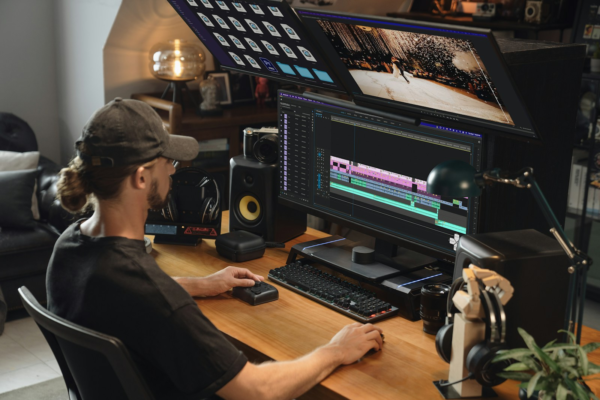
The video production industry is undergoing one of the most significant technological transformations in its history as artificial intelligence becomes deeply integrated into creative software. In 2026, one of the platforms leading this evolution is DaVinci Resolve, the professional editing and color grading platform developed by Blackmagic Design. Once known primarily as a high-end color grading system used in Hollywood productions, the software has evolved into a complete post-production ecosystem that combines video editing, color correction, motion graphics, visual effects, and audio mixing within a single environment. With the rapid development of AI-powered tools such as automatic transcription, intelligent object tracking, and AI-assisted color grading, the platform is reshaping how editors, filmmakers, and content creators approach modern video production.
As artificial intelligence becomes a central part of editing workflows, the role of the video designer is also changing. Many repetitive technical tasks can now be automated, allowing editors to focus more on storytelling, creative design, and strategic content creation. Rather than replacing human creativity, AI is transforming the skill set required to succeed in the industry. Video professionals who learn how to integrate AI tools into their workflows while strengthening their expertise in narrative storytelling, cinematic visuals, and motion design will be best positioned to thrive in the future of digital media production.
Lets Dive In
The Evolution of DaVinci Resolve as a Professional Editing Platform
Over the past decade, DaVinci Resolve has evolved from a specialized color grading application into one of the most comprehensive video production platforms available. Developed by Blackmagic Design, the software now provides a complete suite of tools that support the entire post-production pipeline within a single environment. Video editors can cut footage, apply cinematic color grading, design motion graphics, mix audio, and export finished productions without switching between multiple programs.
One of the reasons DaVinci Resolve has become so influential in the industry is its unique combination of professional-level power and accessibility. The platform offers a free version that includes many advanced features, making high-end video editing technology available to independent creators, small studios, and aspiring filmmakers. At the same time, the professional version used in film and television production provides advanced tools such as high dynamic range grading, collaborative editing environments, and sophisticated visual effects systems.
In recent years, the software has expanded its capabilities even further by integrating artificial intelligence into many core editing functions. The AI-powered neural engine inside DaVinci Resolve enables automated analysis of footage, intelligent tracking systems, speech recognition, and advanced image processing. These features allow editors to perform complex tasks with greater speed and precision while maintaining full creative control over the final result.
The integration of artificial intelligence reflects a broader trend across the creative software industry. Video editing platforms are evolving beyond traditional timeline-based editing to incorporate machine learning systems that assist with decision-making, automation, and creative experimentation. As AI continues to advance, DaVinci Resolve is positioning itself as a leading platform for next-generation video production.
How Artificial Intelligence Is Transforming Video Editing
Artificial intelligence is reshaping the way video content is created by introducing powerful automation tools that reduce the time required for technical editing tasks. Instead of manually performing repetitive processes, editors can rely on AI-driven tools that analyze footage and assist with complex operations.
One of the most significant developments in modern video editing is speech recognition technology. AI transcription tools allow editors to convert spoken dialogue into searchable text, making it possible to edit interviews, documentaries, and podcasts by working directly with written transcripts. This dramatically speeds up the editing process because editors can locate specific dialogue instantly without scrubbing through hours of footage.
AI-powered object tracking is another major innovation transforming post-production workflows. Editors can select an object or person within a frame and allow the software to track its movement throughout a scene. This capability makes it easier to apply effects, adjust lighting, or add visual elements that follow a moving subject. Tasks that once required detailed manual keyframing can now be completed with minimal effort.
Color grading is also benefiting from artificial intelligence. Modern AI tools can analyze the visual characteristics of footage and automatically apply color corrections that balance exposure, contrast, and skin tones. While professional colorists still refine these adjustments manually, the automation provides a strong starting point that significantly reduces editing time.
Audio processing has also been enhanced by machine learning technology. AI tools can isolate dialogue from background noise, balance sound levels, and even separate different audio elements within a single recording. These improvements allow editors to produce professional-quality sound mixes more efficiently than ever before.
As AI continues to improve, video editing software will increasingly function as an intelligent creative assistant rather than simply a technical tool. Editors will be able to experiment with ideas more quickly, generate rough cuts automatically, and focus their attention on shaping the creative direction of a project.
The Changing Role of the Video Designer in an AI-Powered Industry
As artificial intelligence takes over routine technical tasks, the role of the video designer is evolving into a more strategic and creative position. Editors are no longer just operators of editing software; they are becoming visual storytellers, content strategists, and creative directors who shape the overall impact of a video production.
One of the most important shifts occurring in the industry is the growing emphasis on storytelling and audience engagement. AI tools can assemble clips and automate editing processes, but they cannot replicate the human ability to craft compelling narratives. Editors who understand how to structure a story, create emotional pacing, and guide viewer attention will remain indispensable.
The modern video designer must also understand how content performs across different digital platforms. Video created for streaming services, social media platforms, online courses, and digital advertising each require different visual styles and pacing strategies. Editors who can adapt their creative approach to multiple distribution channels will be in high demand.
Collaboration is also becoming increasingly important in the AI-driven production environment. Cloud-based editing systems allow teams to work on projects simultaneously from different locations. Editors must therefore understand collaborative workflows, version management, and remote production pipelines.
Ultimately, the future video professional will combine technical knowledge, creative design, storytelling expertise, and strategic thinking. Artificial intelligence will enhance productivity, but human creativity will remain the defining factor that determines the quality and impact of a video project.
Essential Skills Video Designers Must Develop in the AI Era
The emergence of AI-powered editing tools is changing the skills that matter most in the video production industry. While technical editing knowledge remains important, the most valuable abilities now revolve around creativity, advanced visual design, and the effective use of intelligent tools.
Storytelling remains the foundation of successful video production. Editors who understand narrative structure can transform raw footage into engaging stories that capture and maintain audience attention. Skills related to pacing, emotional timing, and visual storytelling are becoming more important as automation handles routine editing tasks.
Color grading expertise is another critical skill for future video designers. DaVinci Resolve has long been recognized as one of the most advanced color grading platforms in the industry, and professionals who master cinematic color workflows will continue to have strong career opportunities. Understanding color theory, mood creation, and visual consistency allows editors to shape the atmosphere and tone of a project in ways that AI alone cannot replicate.
Motion graphics and visual effects are also becoming increasingly valuable skills. Modern audiences expect visually dynamic content that includes animated titles, transitions, and visual enhancements. Resolve’s Fusion system provides powerful compositing tools that allow editors to create professional motion graphics directly within the editing environment.
AI workflow management is another emerging skill area. Editors must learn how to integrate artificial intelligence tools effectively while maintaining creative control. This involves understanding when to rely on automation and when manual adjustments are necessary to achieve the desired artistic result.
Finally, video designers must develop strong technical literacy related to digital production environments. This includes knowledge of video codecs, file management, cloud collaboration tools, and efficient workflow organization. Editors who can manage complex production pipelines will be highly valuable in professional production teams.
The Growing Importance of Motion Graphics and Visual Effects
As video content becomes more competitive across digital platforms, motion graphics and visual effects are playing an increasingly important role in capturing audience attention. Dynamic visual elements help communicate information quickly while adding energy and style to a video production.
The Fusion visual effects environment inside DaVinci Resolve provides powerful tools for compositing, animation, and visual design. Editors can create animated titles, track graphics to moving objects, and build complex visual sequences without leaving the software. These capabilities allow video designers to expand their creative possibilities and produce more visually engaging content.
Motion graphics are particularly important for social media marketing, online education, and digital advertising. Short-form videos often rely on animated text, graphical overlays, and visual transitions to convey information rapidly and maintain viewer engagement. Editors who understand motion design principles can produce content that stands out in crowded digital environments.
Visual effects skills are also becoming increasingly relevant in areas such as virtual production and immersive media. As film and television production incorporate more digital environments and computer-generated imagery, editors who understand compositing techniques will have valuable career opportunities.
By combining motion graphics expertise with AI-powered editing tools, video designers can create highly polished productions that blend automation with artistic creativity.
Best Online Courses in 2026 to Learn DaVinci Resolve and AI Video Editing
As artificial intelligence continues to reshape video production, structured training has become one of the most effective ways for editors to stay competitive. Modern video designers must understand not only editing workflows but also color grading, motion graphics, visual effects, and AI-assisted production tools. Several high-quality online courses in 2026 teach these skills while focusing on real-world workflows used by professional creators.
One of the most accessible programs for aspiring editors is the DaVinci Resolve Training Course – Udemy. This beginner-to-intermediate course teaches the complete editing workflow in DaVinci Resolve, including media organization, timeline editing, transitions, sound design, and exporting finished videos for different platforms. Its project-based structure allows students to learn by building complete video productions rather than following isolated tutorials, helping them develop practical editing experience while becoming confident with the Resolve interface and professional post-production workflows.
Another respected pathway is the Blackmagic Design Official Training – DaVinci Resolve Certification. Developed by Blackmagic Design, these official certification programs provide structured training in editing, color grading, audio post-production, and Fusion visual effects. The courses are widely used by film schools and production companies because they reflect professional studio workflows used in the film and television industry.
For editors interested in cinematic visuals, the Introduction to DaVinci Resolve for Color Correction – Domestika, focuses on professional color grading techniques. Students learn how to match colors between shots, design cinematic looks, and control visual mood using industry-standard grading workflows. Because DaVinci Resolve is widely regarded as one of the most advanced color grading platforms in the industry, this specialization remains highly valuable for editors.
Another important area of training involves motion graphics and visual effects within Resolve’s Fusion workspace. A practical option for developing these skills is the Complete Guide to DaVinci Resolve 15 Video Editing – Udemy. This course introduces editors to the full editing environment in DaVinci Resolve while also covering visual effects, titles, and compositing tools available within the Fusion tab. Students learn how to add transitions, build custom titles, apply visual effects, stabilize footage, and manipulate the visual style of their projects using color tools and masking techniques. The course also explores how different areas of the Resolve interface—including the Media, Edit, Fusion, Color, and Deliver tabs—work together to support a complete post-production workflow.
Career Opportunities in the AI-Powered Video Production Industry
The rise of AI-powered editing tools is creating new career opportunities for video professionals who understand both creative storytelling and advanced technology. The demand for video content is growing rapidly across streaming platforms, social media networks, digital marketing campaigns, and online education programs.
Many organizations are now seeking editors who can produce high-quality video content quickly using intelligent editing tools. Professionals who combine creative design skills with AI workflow expertise are particularly valuable because they can maximize productivity while maintaining professional visual standards.
Career opportunities in this field include roles such as professional video editor, color grading specialist, motion graphics designer, and digital content producer. Many editors also work as freelancers, producing content for YouTube creators, online businesses, and marketing agencies.
The growth of online video platforms has also created demand for editors who specialize in social media content. Short-form video formats require fast-paced editing, engaging visuals, and strategic storytelling designed to capture attention within seconds.
As AI continues to evolve, new job roles will likely emerge that focus specifically on managing automated editing systems and optimizing AI-assisted production workflows. Video designers who stay current with emerging technology will have a strong advantage in this dynamic industry.
The Long-Term Future of DaVinci Resolve and AI Video Production
The future of video editing will likely involve even deeper integration between artificial intelligence and creative software. Machine learning systems are expected to become more capable of analyzing visual content, identifying key moments in footage, and assisting with creative decision-making.
Future versions of DaVinci Resolve may include advanced generative video tools that help editors create visual elements automatically or generate entire sequences based on scripts or prompts. While these capabilities may seem futuristic today, the rapid pace of AI development suggests they could become common features within the next decade.
Despite these technological advances, human creativity will remain central to the filmmaking process. AI tools can enhance productivity and provide intelligent assistance, but they cannot replace the unique perspective, emotional understanding, and artistic vision that human creators bring to their work.
The most successful video designers will be those who embrace AI as a creative partner rather than viewing it as a threat. By combining advanced technology with strong storytelling and visual design skills, editors can produce compelling content that resonates with audiences around the world.
Final Thoughts
The integration of artificial intelligence into professional editing software represents a turning point for the video production industry. As one of the most powerful editing platforms available, DaVinci Resolve is at the forefront of this transformation, introducing AI-driven features that automate complex tasks while expanding creative possibilities for editors and filmmakers. For video designers, the rise of AI presents both challenges and opportunities. While automation is changing traditional editing workflows, it is also enabling creators to work faster, experiment more freely, and focus on the artistic aspects of video storytelling. Editors who develop skills in narrative design, color grading, motion graphics, and AI workflow management will be well positioned to thrive in the evolving digital media landscape.
Continuous learning will be essential for anyone pursuing a career in video production. Online courses offered by leading platforms provide valuable training that helps editors stay current with the latest technology and industry practices. By investing in education and embracing new creative tools, video designers can build successful careers in a world where artificial intelligence and human creativity work together to produce powerful visual stories. As video continues to dominate digital communication, the importance of skilled editors will only increase. The future of DaVinci Resolve demonstrates that the next generation of video production will be defined not by automation alone, but by the innovative creators who learn to harness the full potential of AI-powered tools.