

Intro
The landscape of Amazon FBA in 2026 is undergoing a profound transformation, driven by the rapid adoption of artificial intelligence, automation, and advanced analytics. What was once a business dominated by manual inventory management, ad optimization, and listing tweaks has evolved into a dynamic, data‑driven ecosystem where AI plays a central role in every aspect of operations. Sellers can now leverage intelligent tools for predictive inventory forecasting, dynamic pricing, automated PPC campaigns, and AI‑generated content, creating unprecedented opportunities for efficiency and growth. At the same time, the marketplace has become increasingly competitive, requiring sellers to master both technical workflows and strategic decision-making to maintain visibility and profitability.
In this new era, success in Amazon FBA goes beyond traditional listing management or reactive problem-solving. Ecommerce professionals must develop advanced skills in AI strategy, data analytics, cross-channel marketing, and content optimization to thrive. As AI reshapes how consumers discover, interact with, and purchase products, sellers who embrace technological fluency, integrate external traffic strategies, and upskill with industry-leading training programs will gain a decisive edge. This article explores the future of Amazon FBA in 2026, the essential skills required to adapt, and the top online courses that can prepare sellers for sustained success in an AI-driven ecommerce landscape.
Lets Dive In
How AI Is Changing Amazon FBA
Artificial intelligence has moved beyond being a buzzword to becoming a core operational driver within Amazon’s marketplace and the broader ecommerce ecosystem. AI tools now power everything from product research and inventory planning to automated advertising, predictive pricing, and conversational commerce experiences. In 2026, AI is no longer optional; it is fundamental to competitive ecommerce strategy. Sellers are using machine learning to predict demand patterns and reduce costly stockouts, while autonomous pricing engines adjust selling prices in real time to maximize profit margins without requiring constant manual intervention.
Another significant shift is the impact of AI on Amazon’s search and recommendation algorithms. Product visibility on Amazon is no longer determined solely by keyword optimization and sales velocity. Now, generative AI models influence which products are presented to consumers based on their browsing behavior, preferences, and purchasing history. Product listings must therefore be optimized not only for traditional search algorithms, but also for AI‑driven customer discovery systems that prioritize relevance, contextual understanding, and personalization. This means sellers must understand how to structure content for AI comprehension, using natural language, semantic context, and rich media to communicate value effectively.
AI tools are also revolutionizing advertising on Amazon. Traditional PPC campaign management, where sellers manually bid on keywords and adjust budgets, is being replaced by systems that automatically optimize campaigns to drive profitable sales. These AI engines evaluate millions of data points, adjust bidding strategies in real time, and allocate ad spend toward the highest‑performing keywords and audiences. This fundamental shift reduces the time sellers spend on repetitive tasks, but it raises the bar on strategic oversight and data interpretation skills. Sellers must now know how to supervise and refine algorithmic decisions to align with business goals.
Perhaps the most visible change brought by AI in ecommerce is content automation. Generative AI tools can produce product titles, descriptions, enhanced brand content, and even image variants in seconds. Videos and lifestyle visuals can be created or enhanced automatically based on product specifications and brand guidelines. While this significantly speeds up content creation, it also creates a competitive environment where sellers must curate high‑quality, AI‑optimized content that both machines and humans find compelling.
These advances are reshaping the FBA value chain, requiring a new set of capabilities from sellers. To stay ahead, ecommerce professionals must adapt, learn, and integrate these technologies into their business workflows.
Why Ecommerce Skills Need to Evolve
As AI takes on more operational tasks within Amazon FBA, the most valuable human skills are shifting. Technical skills such as tooling proficiency and data literacy are becoming more important than ever before. While in the past a seller might spend hours analyzing spreadsheets or manually staging ads, AI systems now perform these functions instantaneously. The real differentiator for success is the ability to interpret data outputs and make strategic decisions based on insights — not simply collect the data.
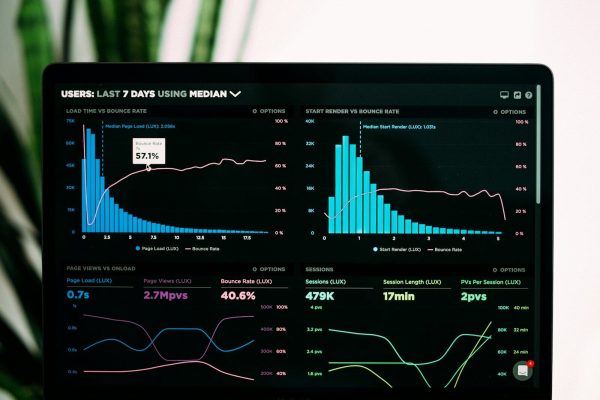
In this new era, data analytics and decision science are core skills. Sellers need to interpret predictive demand forecasts, monitor AI‑generated recommendations, and adjust their inventory, pricing, and marketing strategies accordingly. Recognizing patterns within large datasets and converting them into actionable strategies will separate successful sellers from those struggling to keep up.
Another crucial area is AI strategy and tool fluency. Using AI is not simply about pressing a button or subscribing to a new SaaS tool. Successful ecommerce professionals understand how tools integrate into broader business objectives, how to craft effective prompts for generative systems, and how to evaluate the quality and reliability of the AI outputs. Sellers must also ensure that AI‑generated content aligns with their brand narrative and resonates with target consumers.
With digital transformation accelerating, marketing and brand building skills are also in high demand. The power to attract external traffic — through social media, email marketing, influencers, SEO, or content marketing — distinguishes top sellers from those who rely solely on Amazon’s internal traffic. AI amplifies marketing reach, but it also increases competition. Sellers need strategic skills to design campaigns that integrate AI tools effectively, manage multiple channels, and create cohesive brand experiences that extend beyond the Amazon marketplace.
Another emerging competency in 2026 is cross‑channel integration. Successful ecommerce businesses orchestrate operations across Amazon, their own direct‑to‑consumer websites, social commerce platforms like TikTok Shop or Instagram Shops, and alternative marketplaces. This requires sellers to master integration tools, CRM systems, automated fulfillment channels, and unified analytics dashboards that provide visibility across every sales touchpoint.
These evolving skill priorities reflect a broader shift in ecommerce: strategic thinking, data interpretation, and technology orchestration are increasingly valuable than manual task execution.
Core Skills That Will Matter Most in 2026
Thriving in Amazon FBA and the broader ecommerce landscape in 2026 requires a combination of technical expertise, strategic thinking, and creative problem-solving. As AI and automation take over repetitive operational tasks, the value of human skills shifts toward decision-making, interpretation, and innovation. Sellers who can understand and leverage complex systems, while crafting meaningful customer experiences, will gain a clear competitive advantage.
Data analytics and interpretation have become essential for making informed business decisions. With AI generating vast amounts of insights on customer behavior, sales trends, and advertising performance, the ability to read and act on these signals is more critical than ever. Sellers who can translate data into actionable strategies for inventory management, pricing, and marketing will not only optimize operations but also anticipate market opportunities before competitors.
Equally important is fluency with AI tools and platforms. Understanding how to implement AI-driven content generation, predictive pricing, and automated advertising is no longer optional—it is central to operational efficiency and growth. Sellers must not only use these tools effectively but also evaluate outputs critically and guide AI systems in alignment with their business goals.
Digital marketing expertise remains a key differentiator in 2026. While AI can help optimize campaigns, it cannot replace the human insight required to craft compelling narratives, engage audiences across social media, and build brand loyalty. Sellers who combine AI automation with a sophisticated marketing strategy, capable of driving external traffic and integrating multiple channels, will maximize both visibility and sales potential.
Finally, cross-channel integration and strategic coordination are crucial. Modern ecommerce operations often span Amazon, direct-to-consumer websites, social commerce platforms, and global marketplaces. The ability to synchronize inventory, pricing, and promotions across these channels ensures consistent customer experiences and reduces costly errors. Sellers who master this skill will operate businesses that are not only efficient but also resilient in a rapidly evolving marketplace.
Recommended Courses to Prepare for the Future of Ecommerce
Preparing for the future of Amazon FBA and ecommerce in 2026 requires more than just operational knowledge—it demands expertise in AI, digital marketing, analytics, and cross-channel strategy. A variety of online courses and certifications provide sellers with the skills necessary to thrive in an AI-driven marketplace, combining foundational knowledge with advanced techniques to stay competitive.
How to Start an Amazon FBA Store on a Tight Budget (Udemy)
This course provides a comprehensive introduction to Amazon FBA for beginners and sellers on a budget. Learners gain practical insights into product research, listing optimization, and operational workflow management. The course emphasizes real-world strategies to launch a profitable FBA store without requiring a large upfront investment, making it ideal for those entering the Amazon marketplace for the first time.
Amazon FBA Course – How to Sell on Amazon Mastery 2026 (Udemy)
Designed for sellers seeking a step-by-step approach, this course delivers actionable strategies for ranking products, optimizing listings, and scaling operations effectively. It covers advanced tactics for driving sales, managing inventory efficiently, and leveraging marketing tools to maximize profitability. The program is particularly valuable for sellers aiming to stay competitive in the evolving 2026 marketplace.
Google Digital Marketing & E‑commerce Professional Certificate (Coursera)
This professional certificate equips learners with essential digital marketing skills, including SEO, analytics, paid marketing, and conversion optimization. Sellers learn how to drive traffic both within Amazon and across external channels, gaining the knowledge needed to develop integrated marketing strategies that support sustained business growth.
GenAI for Digital Marketing and Ecommerce Analysts (Coursera)
Focusing on the intersection of AI and ecommerce, this course introduces foundational AI analytics and demonstrates how artificial intelligence can enhance targeting, personalization, and marketing decision-making. Participants learn to apply AI insights to campaign optimization and customer engagement, bridging traditional digital marketing skills with emerging AI-driven techniques.
Google’s Foundations of Digital Marketing and E‑commerce
This course provides a solid foundation in marketing data skills, covering key concepts such as customer acquisition, engagement metrics, and cross-channel performance tracking. Sellers gain the knowledge to make data-informed decisions, optimize campaigns, and effectively scale their ecommerce operations across multiple platforms.
Final Thoughts
The future of Amazon FBA in 2026 is defined by intelligent automation, AI-driven insights, and the integration of advanced ecommerce strategies. Sellers who continue relying on manual processes or outdated tactics will struggle to compete in a marketplace increasingly optimized by artificial intelligence. Success now depends on the ability to interpret complex data, leverage AI tools strategically, and create content that resonates with both consumers and AI discovery systems. Ecommerce professionals must embrace cross-channel marketing, predictive analytics, and AI-enhanced operations to stay ahead of competition and maximize profitability. Those who invest in developing these future-ready skills position themselves to capitalize on emerging opportunities and maintain long-term business growth.
Upskilling through top-rated Amazon FBA courses, digital marketing certifications, and AI-focused training programs is essential for sellers looking to thrive in this evolving landscape. By mastering AI orchestration, predictive analytics, and integrated marketing strategies, sellers not only streamline operations but also gain the strategic insight needed to make informed decisions and scale their businesses effectively. The sellers and professionals who proactively adapt, continuously learn, and integrate AI into their workflows will define the next generation of ecommerce success. Amazon FBA in 2026 is not just about selling products; it is about building intelligent, resilient, and future-ready ecommerce enterprises.