

Intro
Photography is no longer limited to producing still images. As businesses, brands, event organisers, couples and content creators increasingly demand visual content across websites, social media and digital marketing channels, photographers are expanding their services to include video. This has created a growing role for the hybrid photographer: a creative professional capable of capturing high-quality photographs and video within the same production.
The rise of hybrid photography reflects a wider transformation in the visual content industry. Clients increasingly want more content from each shoot, while social platforms have made short-form video, reels and motion content essential parts of digital communication. For photographers, developing video skills can therefore create new revenue opportunities, strengthen client relationships and make existing equipment more commercially useful. However, becoming a successful hybrid photographer involves more than simply switching a camera from photo mode to video mode. It requires new technical skills, additional equipment, more sophisticated workflows and a clear understanding of how to price combined services.
Lets Dive In
What Is a Hybrid Photographer?
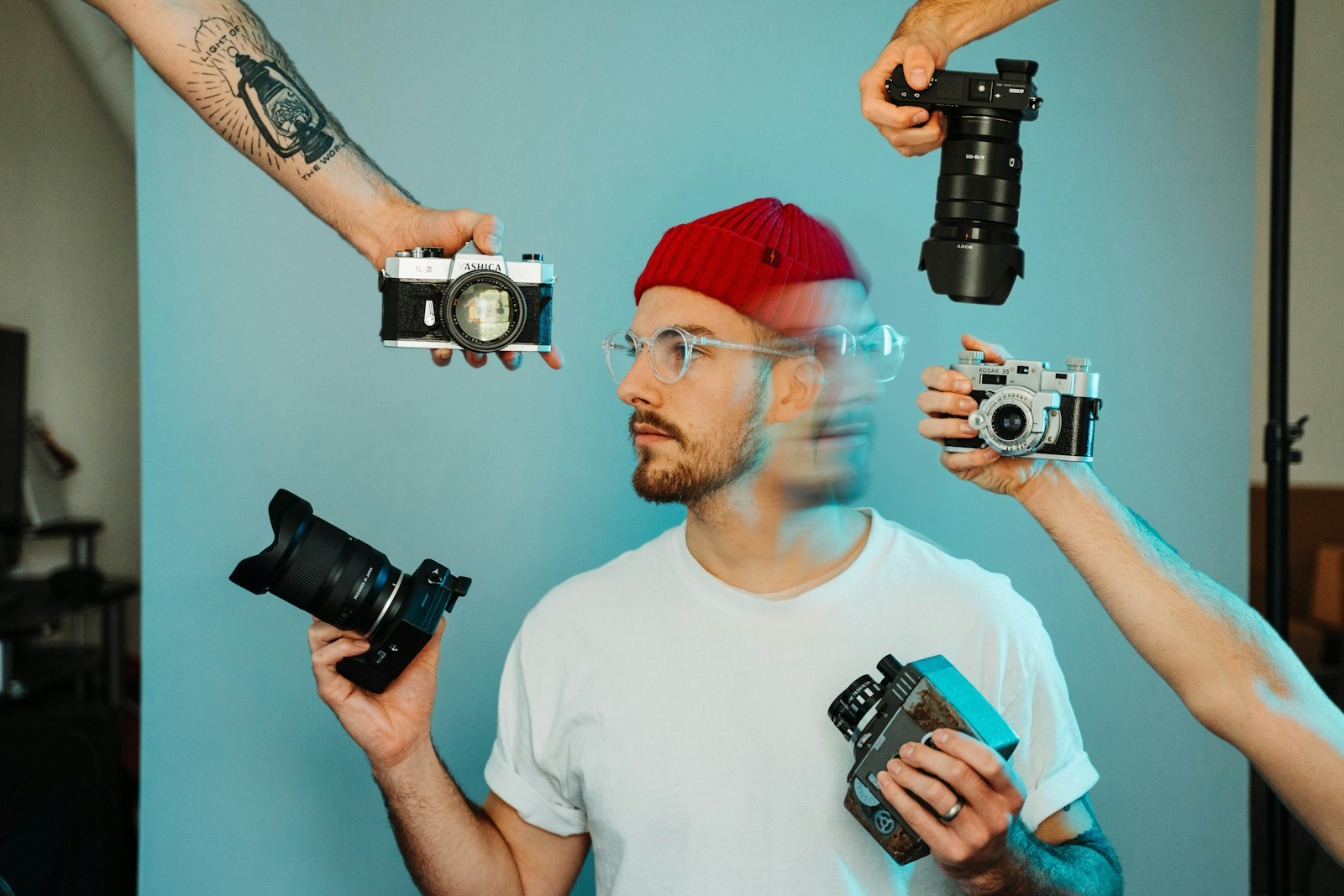
A hybrid photographer is a visual content professional who provides both photography and video services, either during the same assignment or as complementary services within a broader creative package. Instead of specialising exclusively in still photography, hybrid creators are equipped to capture photographs while also producing cinematic footage, interviews, social media clips, promotional videos, event highlights or other forms of moving imagery.
The concept is particularly relevant to commercial photography, weddings, events, tourism, real estate, personal branding and social media content. A business might hire a hybrid photographer to produce updated website photography while also creating short promotional videos. A wedding client might want a traditional collection of photographs combined with short films or social media clips. A property company might require high-resolution property photography alongside walkthrough video.
The attraction for clients is relatively straightforward. Rather than coordinating separate photography and video suppliers, they can work with one creative professional or studio capable of managing both forms of production. Nikon’s 2026 coverage of hybrid wedding photography illustrates how photographers are increasingly combining stills and film to provide clients with a broader visual record of an event.
For photographers, the model can increase the value of an individual booking. However, it also introduces additional responsibilities. Video requires different approaches to movement, sound, lighting, exposure, editing and storytelling, meaning that successful hybrid photography depends on genuine competence in both disciplines.
Why Demand for Hybrid Creators Is Increasing
One of the biggest drivers behind hybrid photography is the continuing growth of visual content across digital channels. Websites increasingly combine static imagery with video backgrounds, product demonstrations, interviews and promotional clips. Social media platforms have also made video a central part of how businesses and individuals communicate with audiences.
A photography client may once have commissioned a set of images for a website and advertising campaign. Today, that same client may want photographs for the website, vertical clips for Instagram or TikTok, short promotional videos for LinkedIn, behind-the-scenes footage and additional content for future campaigns.
This creates an opportunity for photographers who can deliver several types of visual content during one production. Instead of treating photography and video as completely separate services, hybrid creators can design shoots around the client’s wider content requirements.
The commercial environment is particularly important. Businesses increasingly need a steady supply of visual assets rather than a single collection of photographs. This can encourage photographers to move towards content packages, recurring retainers and broader creative services.
The Professional Photographers of America’s 2026 consumer research also highlights the importance of clarity, pricing and perceived value in the photography buying process, with nearly half of surveyed consumers identifying cost as a barrier. For hybrid photographers, this makes it particularly important to communicate exactly what clients receive from a combined photography and video package.
Social Media Is Accelerating the Hybrid Model
Social media has fundamentally changed the economics of visual content. A single professional shoot can now generate dozens of usable assets across multiple platforms.
A photographer working with a personal brand, for example, might produce professional headshots, environmental portraits, short vertical videos, behind-the-scenes footage and several talking-head clips during one session. A restaurant could require food photography alongside short videos showing dishes being prepared. A fitness professional might need promotional photographs alongside exercise demonstrations and social media reels.
This creates an important distinction between traditional photography and modern content production. The photographer is increasingly being asked to think about how the content will be used before the camera is switched on.
Hybrid photographers therefore need to understand framing for different formats, including horizontal website imagery, vertical mobile video and square social media content. They also need to consider how a single subject can be photographed and filmed in ways that produce a coherent visual identity.
For photographers developing commercial careers, this ability to create multiple content formats can become a significant differentiator.
The Changing Role of the Camera
Modern mirrorless cameras have helped make hybrid photography more accessible. Many current camera systems provide high-resolution still photography alongside sophisticated video capabilities, including 4K recording, high frame rates, advanced autofocus, log profiles and improved stabilisation.
The traditional distinction between a camera designed for photography and one designed for video has therefore become less significant for many working professionals. Current hybrid camera systems can deliver professional-quality results in both disciplines, although photographers still need to select equipment according to their particular workload.
In 2026, camera specifications increasingly need to be assessed from a hybrid perspective. Sensor readout speed, rolling-shutter performance, internal recording formats, heat management, autofocus, stabilisation and recording duration can be just as important as megapixel count. Current hybrid-camera analysis reflects this shift, with modern bodies increasingly designed to handle both high-resolution stills and demanding video workflows.
This does not mean that every photographer needs an expensive flagship camera. For many professionals, the more important consideration is whether their existing system can reliably produce the quality and formats required by their target clients.
Gear Implications for Hybrid Photographers
Moving into video can make a photographer’s existing equipment more valuable, but it can also expose gaps in a traditional photography setup.
Lenses are one example. A photographer may already have excellent lenses for portraits, weddings or commercial work, but video introduces additional considerations such as focus breathing, autofocus behaviour, stabilisation and focal-length flexibility. A versatile zoom lens can become particularly useful for hybrid assignments because it allows a creator to change framing quickly without constantly changing lenses.
Audio is another major consideration. Photography can generally be produced without recording sound, whereas professional video frequently depends on clean audio. Hybrid photographers producing interviews, speeches, testimonials or educational content may need wireless microphones, shotgun microphones or external audio recorders.
Lighting requirements can also change. A photographer accustomed to using flash may need continuous LED lighting for video. Modern LED panels and portable continuous lights can serve both still and video applications, making them attractive additions to a hybrid kit.
Stabilisation is another consideration. Tripods, monopods, gimbals and other support systems can help produce smoother footage, particularly when a client expects professional-looking movement. However, not every project requires cinematic camera movement, and purchasing a large amount of specialised equipment before establishing demand can unnecessarily increase costs.
Storage requirements can also rise dramatically. High-resolution video files are significantly larger than still photographs, while multiple camera angles, audio recordings and edited versions can quickly consume storage capacity. Hybrid photographers therefore need reliable memory cards, fast working drives, backup systems and potentially cloud storage.
Software and Post-Production Skills
The biggest transition for many photographers may not be the camera equipment but the editing workflow.
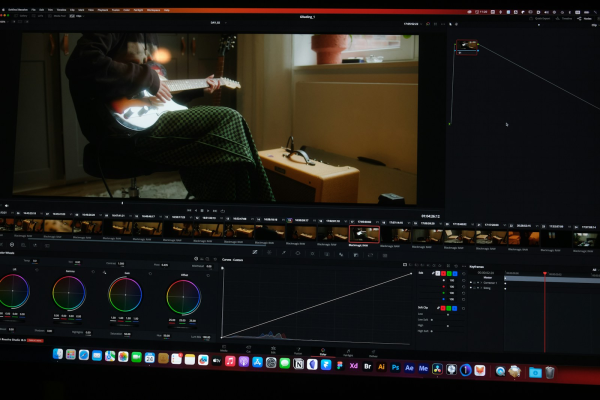
Photographers are already familiar with image editing applications such as Lightroom and Photoshop, but video introduces an entirely different post-production environment. Editing requires knowledge of timelines, cuts, transitions, audio synchronisation, colour correction, colour grading, codecs and export settings.
Adobe Premiere Pro and DaVinci Resolve are among the widely used tools for professional video editing. Learning one editing platform to a commercially useful level can significantly increase the range of services a photographer can provide.
Colour management is particularly important for hybrid creators. Photographs and video need to maintain a consistent visual appearance when they are delivered as part of the same campaign. A brand that receives professional photographs with one visual style and video footage with a completely different appearance may perceive the overall production as inconsistent.
Consequently, hybrid photographers should develop a repeatable colour workflow across both stills and video. This can become an important part of their professional identity.
Hybrid Photography and Wedding Services
Wedding photography is one of the clearest examples of the hybrid model. Couples increasingly want both photographs and moving footage that capture the atmosphere of their wedding day.
Photography can preserve key moments as individual images, while video can capture movement, speeches, music, reactions and interactions. Combining the two can therefore produce a more comprehensive visual record.
However, wedding hybrid coverage also demonstrates the difficulty of the model. A photographer cannot necessarily capture every important moment simultaneously as a photograph and video clip. Managing two forms of production requires careful planning, prioritisation and sometimes additional team members.
Hybrid wedding photographers therefore need to establish expectations before the event. Clients should understand exactly what is included, how much video coverage is provided, whether audio is recorded, how long the final film will be and when photographs and video will be delivered.
For larger weddings, a hybrid photographer may also work alongside a second shooter or videographer. Hybrid skills do not necessarily eliminate the need for specialists; instead, they give photographers greater flexibility when deciding how a production should be structured.
Commercial and Brand Photography
The commercial sector provides another significant opportunity for hybrid photographers.
Brands need photographs for websites, product pages, advertising and press materials, while simultaneously requiring video for social media, online advertising, landing pages and promotional campaigns.
A hybrid photographer can potentially address several of these requirements within a single production. For example, a professional personal-branding session could include headshots, environmental portraits, short-form video clips and several interview segments.
This changes the conversation from selling photographs to selling a content production service.
That distinction can be valuable. Instead of charging purely for the number of photographs delivered, photographers can structure packages around the overall business objective. A client might purchase a quarterly content package containing a defined number of photographs, short videos and social media assets.
Such packages can also create opportunities for recurring revenue rather than relying entirely on one-off photography bookings.
Pricing Hybrid Photography Services
Pricing is one of the most important considerations when moving into hybrid photography.
A common mistake is to add a small video fee to an existing photography package without accounting for the additional production and post-production work. Video can require additional planning, shooting time, audio recording, data management, editing and revisions.
The price therefore needs to reflect the complete workflow rather than simply the time spent recording footage.
Hybrid photographers can structure their pricing around several variables, including shoot duration, number of final photographs, number and length of video deliverables, editing complexity, turnaround time, equipment requirements and licensing.
For example, a basic content package might provide a half-day shoot with a defined collection of edited photographs and several short vertical clips. A larger commercial package could include full-day production, a substantial image library, multiple promotional videos, interview footage and several rounds of editing.
The key is transparency. Clients should understand exactly what they are purchasing.
Current photography-industry research reinforces the importance of addressing pricing concerns and clearly communicating value during the booking process.
Hybrid photographers should also avoid assuming that offering more services automatically means charging less per service. Combining photography and video can provide efficiency advantages, but the additional technical and post-production responsibilities still need to be reflected in the final price.
The Economics of Equipment Investment
The move into hybrid photography can require additional investment, but photographers should avoid purchasing equipment simply because it is available.
A sensible approach is to identify the services clients are most likely to purchase and build equipment around those requirements.
A photographer specialising in social media content may prioritise a capable mirrorless body, versatile lenses, compact continuous lighting, wireless microphones and a stabilisation solution. A wedding photographer may have different requirements, including redundant camera bodies, multiple lenses, audio equipment, batteries, storage and reliable backup systems.
Equipment purchases should therefore follow the business model rather than determine it.
Renting equipment can also make sense when testing a new service. A photographer considering commercial video production can rent a cinema-oriented lens, gimbal or lighting system for several assignments before deciding whether purchasing the equipment is financially justified.
This approach reduces the risk of accumulating expensive equipment that spends most of its time unused.
Developing a Hybrid Photography Workflow
Efficiency becomes increasingly important as the range of deliverables grows.
A traditional photography workflow might involve planning, shooting, culling, editing and delivering images. A hybrid workflow adds video file management, audio processing, video editing, colour grading and additional exports.
Organisation therefore becomes essential.
Before a shoot, hybrid photographers should determine the required deliverables, aspect ratios, resolutions, file formats and deadlines. During production, they need to capture enough footage without generating unnecessary amounts of data. After the shoot, files should be backed up before editing begins.
Templates can also improve efficiency. A photographer who regularly produces social media content can create standard project structures, export presets and editing templates. This reduces repetitive work and allows more time to be spent on creative decisions.
Over time, a well-designed hybrid workflow can become a competitive advantage because clients receive multiple types of content without the production process becoming unnecessarily complicated.
The Importance of Storytelling
Technical ability is only one part of becoming a successful hybrid creator.
Photography and video both depend on storytelling, but video adds movement, timing and sound to the visual narrative. A photographer transitioning into video therefore needs to think beyond individual frames.
Instead of asking only whether a photograph looks compelling, the hybrid creator must consider how a sequence of shots works together.
A promotional video might require establishing shots, close-ups, environmental footage, action sequences and interviews. A wedding film needs moments that establish atmosphere as well as emotional highlights. A social media reel may require a strong opening, rapid visual changes and a clear conclusion.
This makes storytelling an important transferable skill. Photographers already understand composition, lighting, subject positioning and visual communication. Adding movement and sound allows those skills to be extended into a broader production discipline.
Challenges of Becoming a Hybrid Photographer
The hybrid model offers opportunities, but it is not without challenges.
The first is skill depth. Being able to operate a camera in video mode does not automatically make someone a professional videographer. Video introduces concepts such as frame rates, shutter angles, audio recording, colour profiles, shot sequencing and editing.
The second challenge is workload. Photographing and filming simultaneously can become demanding, particularly during fast-moving events. A creator may need to decide whether to capture an important moment as a photograph or video, creating a risk that neither receives the attention it deserves.
The third challenge is post-production. Delivering hundreds of photographs alongside several edited videos can dramatically increase editing time.
Finally, hybrid photographers need to manage client expectations carefully. Offering photography and video does not necessarily mean providing the same level of coverage that two dedicated specialists could deliver.
Being clear about the scope of the service is therefore essential.
Building a Hybrid Photography Business in 2026
For photographers considering the transition, the most practical strategy is to start with a specific service rather than attempting to become a complete production company overnight.
A wedding photographer might begin by adding short highlight clips. A portrait photographer could introduce personal-branding video. A commercial photographer could offer product demonstration videos or social media content packages.
This approach allows the photographer to develop video skills while learning which services clients actually value.
Portfolio development is equally important. Potential clients need to see evidence that the photographer can produce both high-quality photographs and professional video. A portfolio that combines still images, short clips and complete projects can communicate the value of the hybrid model more effectively than simply listing video as an additional service.
Over time, photographers can expand their services according to demand. This could lead to recurring commercial content contracts, event packages, brand campaigns or collaborations with other creative professionals.
Recommended Online Courses to Build Hybrid Photography Skills in 2026
Developing hybrid photography skills requires a combination of photography fundamentals, cinematography and video editing. The following courses were selected because they have substantial learner numbers, strong ratings and direct relevance to the skills required by modern hybrid creators.
Photography Masterclass: Your Complete Guide to Photography — Udemy
Platform: Udemy
Level: Beginner to Advanced
Focus: Camera operation, manual photography, composition, lighting and photography workflows
This bestseller provides a broad foundation in professional photography, covering camera operation, manual settings, composition, lighting and different photographic scenarios.
Its very large learner base and strong rating make it particularly useful for photographers who want to strengthen their still-image skills before expanding into video. The course was updated in September 2026, making it particularly relevant for photographers developing their skills this year.
Course Link: Photography Masterclass: Your Complete Guide to Photography — Udemy
Cinematography Masterclass: Videography + Cinematography — Udemy
Platform: Udemy
Level: Beginner to Advanced
Focus: Videography, cinematography, lighting, camera operation and filmmaking
This bestseller is particularly relevant to photographers making the transition into video. It covers video production, cinematography, lighting, exposure and equipment selection, while also introducing the practical considerations involved in professional video production. The course has attracted more than 100,000 learners and is designed to work across different camera types, making it a useful bridge between photography and video.
Course Link: Cinematography Masterclass: Videography + Cinematography — Udemy
Adobe Premiere Pro Masterclass — Udemy
Platform: Udemy
Level: Beginner to Advanced
Focus: Video editing, post-production, Premiere Pro workflows and professional video creation
Learning to capture video is only part of becoming a hybrid creator. Post-production is equally important, and this bestseller focuses on Adobe Premiere Pro, one of the major professional video-editing platforms. The course is updated for 2026 and covers video editing from beginner through advanced workflows, making it relevant to photographers who want to turn raw footage into polished client deliverables.
Course Link: Adobe Premiere Pro Masterclass: Video Editing in Premiere — Udemy
Final Thoughts
The rise of hybrid photographers reflects a broader shift in the creative economy, with clients increasingly seeking visual content for websites, social media, advertising and digital campaigns. As modern cameras become more capable and video production becomes more accessible, photographers can expand their services by developing complementary skills in videography, audio, lighting, editing and visual storytelling. For photographers, this can create new revenue opportunities while increasing the value delivered through individual client projects and ongoing content packages.
However, becoming a successful hybrid photographer involves more than owning a camera that captures both photographs and video. Creators need to invest strategically in equipment, develop professional video and post-production skills, and understand how different content formats support client objectives. For photographers willing to adapt to changing demand, hybrid photography offers a practical pathway towards becoming a more versatile visual-content professional while building a broader and potentially more resilient creative career.