

Intro
The demand for motion graphics professionals has surged dramatically in recent years, driven by the growth of digital marketing, social media content, video streaming platforms, user interface design, and online education. Businesses are investing heavily in animated content to capture attention, explain products, and create engaging brand experiences. As a result, motion graphics has evolved into one of the most accessible yet rewarding creative careers, blending design, storytelling, and animation into a versatile skillset that applies across industries. From advertising agencies and tech startups to film studios and freelance marketplaces, motion designers are now essential contributors to modern visual communication.
Pursuing a career in motion graphics offers flexibility, strong earning potential, and multiple pathways into employment. Individuals can work full-time within creative teams, collaborate remotely with global clients, or build independent freelance businesses. The barrier to entry is relatively low compared to traditional animation careers, yet the opportunity for growth into senior creative roles is substantial. With structured learning, portfolio development, and mastery of industry tools, aspiring motion designers can realistically transition into the job market within twelve months. This comprehensive guide explores the full pathway to becoming a motion graphics professional, detailing the roles available, the skills required, certifications that enhance employability, recommended courses with strong ratings in 2026, and a practical roadmap with clear timelines to enter the industry.
Lets Dive In
What is Motion Graphics and Why It’s a High-Demand Career
Motion graphics is a specialized form of visual communication that combines graphic design, animation, and storytelling to create dynamic, moving visuals. Unlike traditional static design, motion graphics uses movement to bring typography, illustrations, and other visual elements to life, making complex concepts easier to understand and more engaging for audiences. It is widely applied across advertising, marketing, film, television, social media, and digital platforms, where visual content must capture attention quickly and communicate ideas effectively. From animated explainer videos to brand identity motion and interactive UI elements, motion graphics has become an essential tool for modern visual communication, bridging creativity and technology in ways that resonate with viewers.
The demand for motion graphics professionals continues to grow as digital platforms increasingly prioritize video-first content. Brands, tech companies, streaming services, and educational organizations all require skilled designers who can produce high-quality, engaging animations. The field offers flexibility and diverse career paths, including full-time studio roles, remote work, freelance opportunities, and entrepreneurial ventures. Moreover, the ongoing rise of immersive media, 3D animation, and interactive experiences ensures that motion graphics skills will remain highly sought after, offering both creative satisfaction and strong long-term career prospects for designers who can combine artistic vision with technical expertise.
Motion Graphics Career Roles, Salary Expectations, and Growth in 2026
The motion graphics industry in 2026 offers a variety of career paths that cater to different levels of experience and specialization. Entry-level roles often begin with the Motion Graphics Designer, who creates animated typography, logo animations, social media content, and explainer videos using tools like Adobe After Effects. This role emphasizes animation principles, composition, and timing, making it an ideal starting point for those building foundational skills. As designers gain experience, they may progress to Motion Designer roles, where they craft high-end brand animations, broadcast graphics, and cohesive motion systems, requiring advanced knowledge of pacing, easing, and visual storytelling. For those interested in three-dimensional visuals, 3D Motion Graphics Artists create cinematic content, product visualizations, and advertising animations using tools such as Blender or Cinema 4D, a specialization that often commands higher salaries due to technical complexity.
UI Motion Designers represent another growing niche, blending motion with user experience to create engaging micro-interactions and digital transitions for apps and websites. Hybrid roles, such as Video Editors with Motion Graphics skills, combine editing and animation for marketing teams, while Visual Effects Motion Artists focus on compositing, motion tracking, and advanced effects for film and advertising projects. Senior-level professionals can advance to Motion Graphics Art Director roles, overseeing teams and shaping creative direction. Salary expectations vary by role and experience, with entry-level designers earning between $40,000 and $60,000 annually, mid-level professionals earning $65,000 to $90,000, and senior designers or art directors earning over $100,000. Freelancers can command rates between $25 and $100 per hour depending on portfolio strength and specialization. Career growth is strongly tied to skill development, portfolio quality, and mastery of tools, and professionals who specialize in areas like 3D motion graphics or UI animation often see higher demand and increased earning potential.
Essential Skills Required for a Motion Graphics Career
Building a motion graphics career requires mastering both creative and technical skills. Design fundamentals form the foundation. Understanding typography, color theory, layout, and composition is critical because motion graphics builds upon static design. Without strong design fundamentals, animations often look cluttered or ineffective. Animation principles represent the second core skill area. Concepts such as easing, anticipation, timing, squash and stretch, and visual rhythm define professional-quality motion. These principles transform static graphics into engaging animations that communicate effectively.
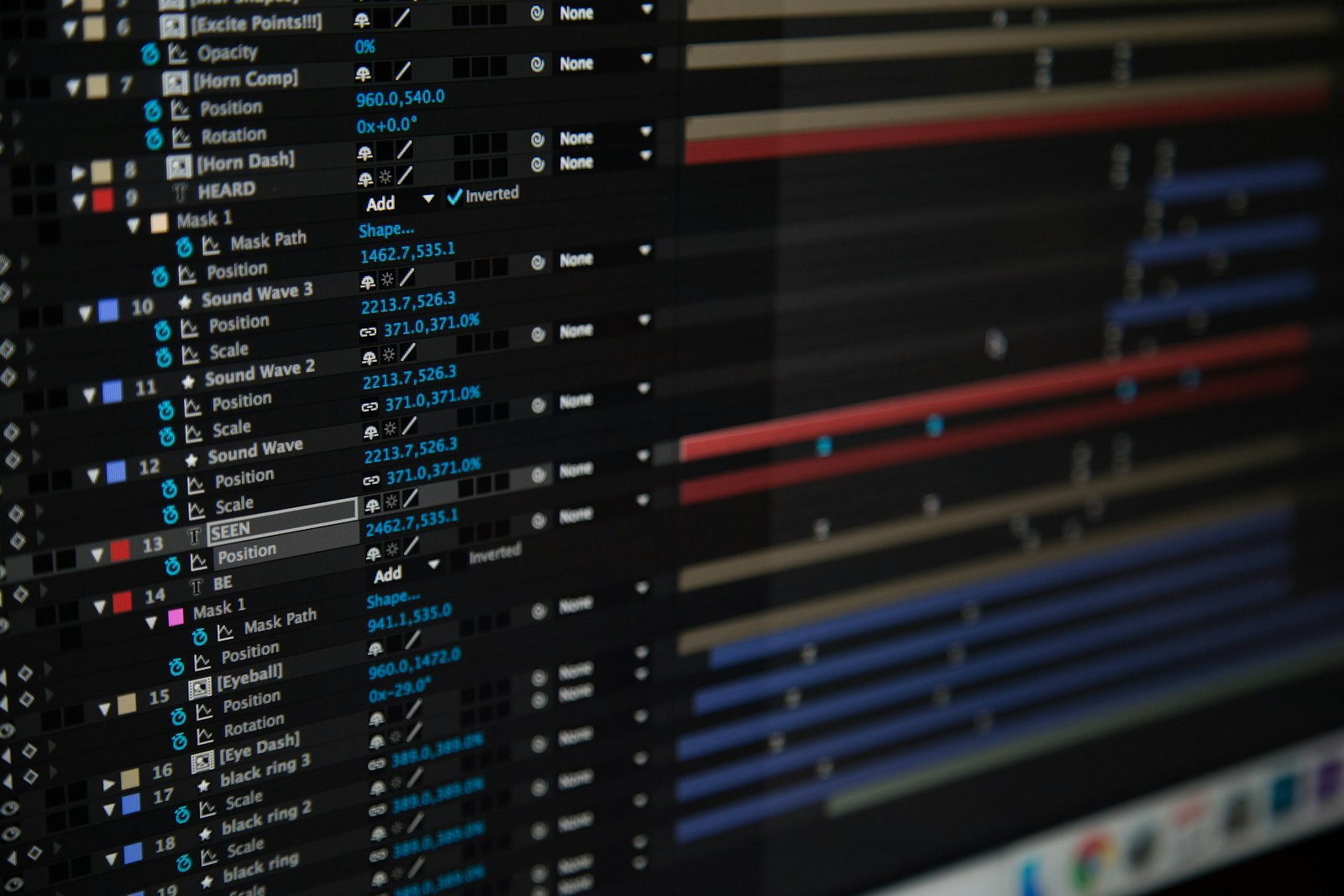
Software proficiency is essential. Mastery of industry-standard tools like Adobe After Effects allows designers to animate graphics, create transitions, and apply effects. Many professionals also learn supporting tools like Adobe Illustrator and Adobe Photoshop for asset creation.Video editing skills complement motion graphics. Understanding storytelling, pacing, and audio synchronization improves production quality. Editors often use Adobe Premiere Pro to assemble animations into polished videos.
3D motion graphics is an advanced but valuable skill. Designers who learn 3D modeling, lighting, and rendering expand their career opportunities and earning potential. Tools like Blender enable designers to create cinematic visuals.UI motion design skills are increasingly important. As digital products emphasize user experience, animation is used to guide users and enhance interactions. Learning UI motion workflows helps designers transition into product design roles. Portfolio development is arguably the most critical skill. Employers prioritize real-world projects over certifications. A strong showreel demonstrating branding animations, explainer videos, and UI interactions significantly improves employability.
Certifications That Strengthen a Motion Graphics Career
While portfolios remain the most critical factor in landing motion graphics roles, professional certifications can complement practical experience by validating technical expertise and structured learning. The Adobe Certified Professional – After Effects credential demonstrates proficiency in core animation workflows and industry-standard tools, giving employers confidence in a designer’s technical capabilities. Similarly, the Autodesk Certified User certification is highly valuable for professionals specializing in 3D motion graphics, verifying competence in modeling, rendering, and animation workflows using software like Maya or 3ds Max.
Online learning platforms also offer professional certificates that enhance credibility and showcase commitment to continuous development. The Coursera Professional Certificates in Graphic Design provide structured training in design fundamentals, visual communication, and creative problem-solving, forming a strong foundation for motion graphics. Additionally, LinkedIn Learning Certificates in motion graphics tracks offer recognition for completing courses in animation, After Effects, and video editing, helping beginners and intermediate professionals stand out in competitive hiring scenarios. While certifications alone do not guarantee employment, they reinforce portfolios, support skill mastery, and demonstrate dedication to professional growth in the motion graphics industry.
Top Selling Online Courses in 2026 to Learn Motion Graphics Skills
To build a strong foundation and grow into a professional motion graphics career in 2026, completing high‑quality, project‑focused training is essential. The best courses combine design fundamentals, animation techniques, software mastery, and portfolio projects to ensure you gain real‑world skills that hiring managers and clients value. Here are five top‑selling and highly‑rated motion graphics courses in 2026 covering core areas of expertise—from design and animation principles to advanced motion graphics production and professional showreels.
After Effects Kickstart – School of Motion
This course provides an immersive introduction to Adobe After Effects for motion graphics, designed to build a strong foundation for beginners and intermediate learners. It covers essential animation techniques, keyframing, motion paths, easing, shape layers, and composition workflows, all through project-based exercises. Students create real-world motion graphics projects, gaining hands-on experience that prepares them for professional work while developing a portfolio-ready skill set.
After Effects CC: The Ultimate Motion Graphics Masterclass – Udemy
One of the most popular motion graphics courses in 2026, this masterclass focuses specifically on motion graphics design with After Effects. It offers hands‑on projects such as logo animations, kinetic typography, and dynamic social media ads, helping learners develop professional workflows, technical skills, and project experience that directly translate to portfolio work.
Adobe Premiere Pro CC: Essentials Training Course – Udemy
While motion graphics focuses heavily on animation, video editing remains a complementary skill in many roles. This highly‑rated course teaches essential editing techniques, narrative pacing, timeline organization, and media export workflows using Adobe Premiere Pro, enabling motion designers to seamlessly integrate animation into complete video productions.
Introduction to After Effects – Domestika
A best‑selling choice on Domestika, this course teaches After Effects from scratch with a focus on motion graphics and post‑production fundamentals. It’s ideal for beginners looking to gain solid software skills and creative confidence, covering essential animation workflows and practical projects that build a strong foundation for professional motion design.
Animation Bootcamp – School of Motion
Animation Bootcamp from School of Motion is one of the most respected professional motion graphics animation courses available outside of platforms like Udemy. Rather than merely teaching software tools, this immersive program emphasizes motion design fundamentals including animation timing, weight, spacing, easing, visual rhythm, and creative storytelling — essential concepts that elevate work from basic keyframing to expressive, professional‑grade motion graphics.
These top‑selling courses in 2026 provide a balanced mix of foundational knowledge, technical execution, and project experience necessary to thrive as a motion graphics professional. When combined with portfolio development and real‑world practice, these trainings form a strong education pathway into the motion design industry.
Roadmap to Enter the Motion Graphics Job Market with Timeline
Entering the motion graphics job market requires a structured approach that balances skill acquisition, practical experience, and portfolio development. The journey typically begins with building a strong foundation in graphic design, which usually takes one to two months. During this phase, learners focus on essential design principles such as typography, color theory, layout, composition, and visual hierarchy. This foundational knowledge ensures that future animations are visually coherent, professional, and engaging, forming the backbone for all subsequent motion graphics work.
Once design fundamentals are in place, learners move into animation principles, a stage that typically takes around one month. This involves mastering key concepts such as timing, easing, anticipation, and motion flow, which are critical for creating polished and dynamic animations. Following animation theory, learners should dedicate two to three months to mastering software tools, developing the ability to create logo animations, social media content, explainer videos, and other professional-grade projects.
After acquiring software proficiency, learners spend several weeks developing video editing skills, learning storytelling, pacing, and the seamless integration of motion graphics with video. Advanced specialization in 3D motion graphics or UI animation can follow, taking one to two additional months, which opens doors to higher-paying roles and niche projects.
Portfolio development is the final and arguably most critical stage, typically requiring one to two months. Learners focus on assembling polished projects into a showreel and online portfolio that highlight versatility, technical skill, and creativity. By following this roadmap—approximately six to twelve months in total—aspiring motion graphics professionals can transition from beginners to market-ready candidates, equipped with the skills, portfolio, and confidence to secure full-time roles, freelance contracts, or remote opportunities in a rapidly growing creative industry.
Future Outlook for Motion Graphics Careers
The future of motion graphics remains exceptionally promising as the demand for dynamic visual content continues to grow across industries. Digital platforms, from social media and streaming services to corporate websites and e-learning, increasingly rely on motion graphics to engage audiences and communicate complex ideas quickly. Short-form videos, animated explainer content, branded marketing campaigns, and immersive 3D experiences are driving demand for skilled professionals who can combine creativity, technical expertise, and storytelling. As technology evolves, motion graphics designers who adopt tools like 3D animation software, UI motion design platforms, and interactive media applications are likely to remain at the forefront of the industry.
Additionally, the integration of AI and automation tools into the motion graphics workflow is reshaping how designers work, enabling faster production of repetitive tasks and more sophisticated effects. However, the human element—creativity, artistic vision, and narrative sense—remains irreplaceable, ensuring that skilled designers continue to be highly valued. Freelance and remote opportunities are expanding globally, giving professionals flexibility and access to a wider client base. Motion graphics specialists who continuously update their skills, specialize in high-demand areas such as 3D animation or UI motion, and maintain a strong, project-based portfolio will enjoy long-term career stability, competitive salaries, and the ability to shape the visual landscape of digital media for years to come.
Final Thoughts
Building a career in motion graphics in 2026 offers a dynamic and rewarding path for creative professionals who enjoy blending design, animation, and storytelling. With demand rising across industries such as marketing, entertainment, technology, and e-learning, motion graphics designers are positioned for strong career growth and long-term relevance. Success in this field requires mastering core design principles, animation techniques, and industry-standard software, while also developing complementary skills in video editing, 3D animation, and UI motion. Certifications can enhance credibility, but a well-crafted portfolio showcasing real-world projects remains the most important factor in securing employment and freelance opportunities. By focusing on structured learning and practical application, aspiring designers can transition efficiently from beginner to professional.
Following a clear roadmap—from foundational design courses to advanced animation and software mastery, coupled with portfolio and showreel development—allows learners to enter the job market within six to twelve months. Specializing in high-demand areas such as 3D motion graphics or interactive UI animation can increase earning potential and provide a competitive edge. The top-selling courses of 2026 provide structured, project-based learning to ensure readiness for professional roles. By continuously updating skills, exploring emerging technologies, and maintaining a polished portfolio, motion graphics professionals can enjoy creative fulfillment, flexible career options, and a strong presence in the evolving digital media landscape.