








Intro
In 2025, web design continues to be one of the most versatile and rewarding career paths. Businesses, brands, and creators cannot survive without a digital presence, and a website remains the central hub of that presence. A well-designed website communicates identity, engages visitors, and converts them into loyal customers. This means that web designers have evolved far beyond being page decorators. They are now digital strategists, creators of user experiences, and facilitators of business goals.
The demand for skilled web designers remains high. Companies of every size require websites that are responsive, accessible, fast, and visually appealing. Entrepreneurs launching startups need branding and user-friendly platforms. Even established corporations continually update their digital platforms to match evolving consumer expectations. With so many opportunities, web design is not only a career but a gateway to freelance independence and entrepreneurial ventures.
Lets Dive In
The Technical Foundations of Web Design
No matter how trends evolve, every web designer needs to master the technical foundations. Hypertext Markup Language (HTML) forms the skeleton of the web, providing the structure on which everything else is built. Cascading Style Sheets (CSS) are the paintbrush, controlling color, layout, and design. JavaScript acts as the engine, delivering interactivity and dynamic elements that users now expect as standard.
In 2025, however, technical fluency goes far beyond these three essentials. Designers must be able to use CSS Grid and Flexbox to create layouts that adapt seamlessly across different devices. A deep understanding of accessibility standards, including WCAG 2.2, is non-negotiable. Modern websites are legally and ethically expected to serve all users, including those with disabilities, and businesses increasingly prioritize inclusivity in their digital strategies.
Browser developer tools provide another layer of technical power. These tools allow web designers to experiment directly in the browser, test performance, and identify issues before deployment. A designer who can quickly troubleshoot responsive glitches or performance bottlenecks in-browser will be far more effective than one who relies only on static mockups.
The Visual and Experiential Layer of Web Design
While technical skills are critical, web design is equally about creating emotional connections. Visual design fundamentals such as color theory, typography, balance, and composition help shape how visitors perceive a brand. A well-chosen typeface can communicate professionalism, creativity, or playfulness in an instant. Colors can evoke trust, urgency, or calm depending on their usage.
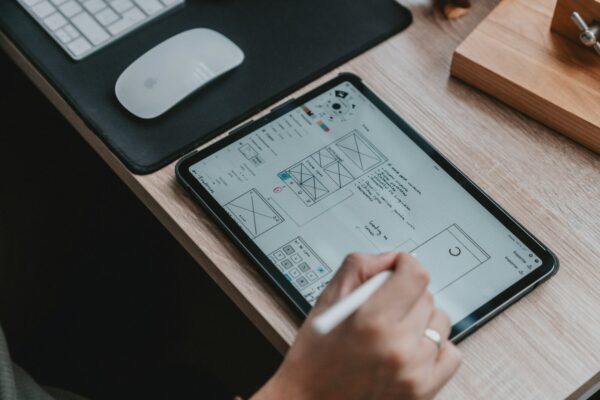
User Experience (UX) and User Interface (UI) design represent another dimension. UX ensures that visitors can navigate a website intuitively, find information easily, and achieve their goals without friction. This involves planning user journeys, sketching wireframes, and conducting usability tests. UI then transforms these ideas into polished visual designs that are both attractive and functional. Tools such as Figma and Adobe XD have become industry standards for creating these high-fidelity designs.
A successful web designer bridges art and science, balancing the visual appeal of a design with the psychology of user behavior. By combining aesthetic decisions with structured usability testing, designers create websites that look beautiful but also perform effectively.
Modern Workflows and Tools for Collaboration
Collaboration is central to professional web design. Designers rarely work in isolation; they coordinate with developers, clients, marketers, and content creators. Understanding version control systems like Git and platforms such as GitHub is critical for smooth teamwork. These tools make it possible to track changes, collaborate asynchronously, and avoid costly mistakes.
Design-to-code workflows have also become more sophisticated. Platforms such as Figma now allow for component libraries, reusable design tokens, and integration with development environments. This ensures that designs are consistent across multiple pages and projects, while also making the transition from mockup to code more efficient.
Web designers also need to be comfortable with Content Management Systems. WordPress remains a dominant player, but the rise of headless CMS platforms has given designers new options for flexibility and scalability. A designer who understands how to create user-friendly templates in WordPress or build modular systems in headless environments can offer more value to clients and employers alike.
Performance and SEO optimization are no longer optional skills. Search engines reward sites that load quickly, use semantic HTML, and deliver content in structured ways. A web designer who can marry aesthetics with performance optimization is highly sought after, because these factors directly influence traffic and conversion rates.
The Importance of Soft Skills in Web Design
Although technical and design expertise are crucial, soft skills often determine long-term success. Communication is perhaps the most important of these. Web designers must explain design choices to clients and team members in ways that are clear, persuasive, and grounded in user needs. The ability to translate design jargon into business outcomes builds trust and credibility.
Time management and project planning also matter. Designers often juggle multiple projects with tight deadlines, and the ability to prioritize tasks ensures consistent quality. Flexibility and iterative working habits are equally vital. Websites are rarely perfect at first launch; designers who embrace feedback and iteration deliver stronger final products.
For freelancers, client management is critical. Building long-term relationships requires listening carefully to client needs, setting realistic expectations, and providing transparent communication throughout a project. These skills transform a one-time project into repeat business and referrals.
AI and the Future of Web Design
One of the most exciting developments in 2025 is the integration of artificial intelligence into web design. AI-powered design assistants now help create wireframes, suggest color palettes, and even generate code snippets based on natural language prompts. Tools such as Figma AI plugins or GitHub Copilot can speed up workflows dramatically.
However, AI is not replacing designers. Instead, it is shifting their role. Rather than spending hours adjusting layouts or writing repetitive code, designers can focus more on strategy, creativity, and user research. Understanding how to leverage AI while maintaining a human touch is becoming a core skill. Employers now look for designers who can work efficiently with AI without relying on it entirely.
Motion Design and Interactivity as Differentiators
Web users in 2025 expect experiences that are immersive and dynamic. Motion design has moved from being a novelty to being an essential part of user engagement. Micro-interactions, animated transitions, and interactive elements provide subtle cues that guide user behavior and create a sense of delight.
Designers must learn how to use motion carefully. Too much animation slows down a site and distracts visitors, but when applied thoughtfully, it communicates hierarchy and improves usability. Mastery of tools such as CSS animations, JavaScript libraries like GSAP, or native motion design features in prototyping platforms helps web designers deliver cutting-edge experiences that stand out in a crowded market.
Web3, Immersive Design, and the Expanding Web
Another frontier for web designers is the evolution of the web itself. The rise of Web3, blockchain-based platforms, and immersive experiences such as augmented and virtual reality are creating new opportunities. In 2025, some designers are experimenting with 3D elements, token-gated experiences, and interactive digital spaces.
While these technologies are still maturing, having a basic understanding of how decentralized platforms, immersive experiences, and 3D web technologies work can position a designer at the forefront of innovation. Even if you do not specialize in Web3 or VR, knowing the possibilities allows you to adapt as these trends become mainstream.
Freelancing and Building a Personal Brand as a Web Designer
Many web designers pursue freelancing either full-time or alongside traditional employment. The freelance market continues to thrive in 2025, offering opportunities for designers to work with clients around the world. However, freelancing requires more than design ability. It requires building a strong personal brand, marketing yourself effectively, and managing the business side of your work.
Creating a professional portfolio website is the first step. This site should not only showcase your projects but also demonstrate your storytelling ability. Each case study should explain the challenge, your process, and the outcome. Potential clients want to see not just what you created but how you approached the problem.
Networking through platforms like LinkedIn, Twitter, and design communities such as Dribbble or Behance can also generate opportunities. Freelancers who consistently share their work, insights, and behind-the-scenes process attract clients organically. Pairing this visibility with clear client management practices, such as contracts and structured communication, allows freelance web designers to build sustainable businesses.
The Best Online Courses in 2025 for Learning Web Design
Fortunately, aspiring designers have access to an incredible range of online learning resources. One of the best free programs is freeCodeCamp’s Responsive Web Design Certification, which introduces learners to HTML, CSS, Flexbox, and Grid while guiding them through hands-on projects. This program is an ideal entry point for anyone looking to start from scratch without financial investment.
For learners who prefer structured, university-backed programs, the University of Michigan’s Web Design for Everybody Specialization on Coursera provides a thorough foundation. Covering HTML5, CSS3, and JavaScript, this specialization combines academic rigor with practical projects, and it offers a recognized credential that can strengthen a resume.
The Google UX Design Professional Certificate is another excellent choice, particularly for learners who want to combine technical design with user research and UX principles. The program emphasizes usability testing, prototyping, and case study development, giving students portfolio-ready projects.
Finally, the Meta Front-End Developer Professional Certificate is ideal for designers who want to extend into front-end development. Covering React and other advanced technologies, it prepares learners for hybrid roles that blend design and coding expertise.
Building a Career with Your New Skills
Completing online courses is only the first step. To build a real career in web design, you need to put your skills into practice. Each project you complete should be added to a public portfolio, ideally framed as a case study that explains your decision-making process. Employers and clients value clarity and reasoning as much as visual polish.
Practical experience can be gained through freelancing, internships, or volunteering for nonprofits. These opportunities provide not only practice but also testimonials and references that strengthen your credibility. Engaging in online communities, attending design meetups, and collaborating with peers also accelerate growth by exposing you to new perspectives and feedback.
Final Thoughts
A career in web design requires a balance of technical skills, visual design, and human-centered thinking. In 2025, the most successful designers are those who master HTML, CSS, and JavaScript while also embracing UX, accessibility, performance, and SEO. Soft skills such as communication and client management are equally important, especially for freelancers.
Emerging areas such as AI-assisted workflows, motion design, and Web3 expand the possibilities for ambitious designers who want to innovate. By combining foundational training with cutting-edge exploration, you can future-proof your career.
The best way to begin is through structured online programs such as freeCodeCamp’s Responsive Web Design Certification, the University of Michigan’s Web Design for Everybody Specialization, the Google UX Design Professional Certificate, and the Meta Front-End Developer Professional Certificate. Each of these pathways provides both knowledge and portfolio-ready projects.
By combining learning, practice, and networking, you can establish yourself as a professional web designer. In a digital-first world, the role of the web designer is not just about building websites — it is about shaping how people experience the internet itself. With the right skills and mindset, you can be at the forefront of creating meaningful, engaging, and accessible digital experiences that define the future of the web.