

Intro
Filmmaking is one of the world’s most diverse creative industries, combining storytelling, technology, visual arts, sound, performance and business. While directing is often seen as the ultimate filmmaking career, the industry relies on a much broader range of professionals, including screenwriters, producers, cinematographers, camera operators, editors, sound designers, colourists, production designers and visual effects artists. Opportunities also extend beyond feature films into television, streaming, documentaries, advertising, music videos, corporate productions and digital media.
A successful filmmaking career requires more than creative talent. Aspiring professionals need practical technical skills, industry knowledge, collaboration and communication skills, professional experience and a strong portfolio or showreel. The most effective pathway is to learn the fundamentals, choose a specialisation, develop practical skills, create projects, gain real-world experience and build professional connections. With accessible technology and a growing demand for video content, there are now more opportunities than ever to develop filmmaking skills and turn them into a sustainable career.
Lets Dive In
Understanding the Filmmaking Industry
Filmmaking can broadly be divided into three interconnected stages: pre-production, production and post-production.
Pre-production is where a project is planned. This can involve developing an idea, writing the screenplay, raising finance, preparing budgets, hiring cast and crew, finding locations, designing sets, creating storyboards and developing production schedules.
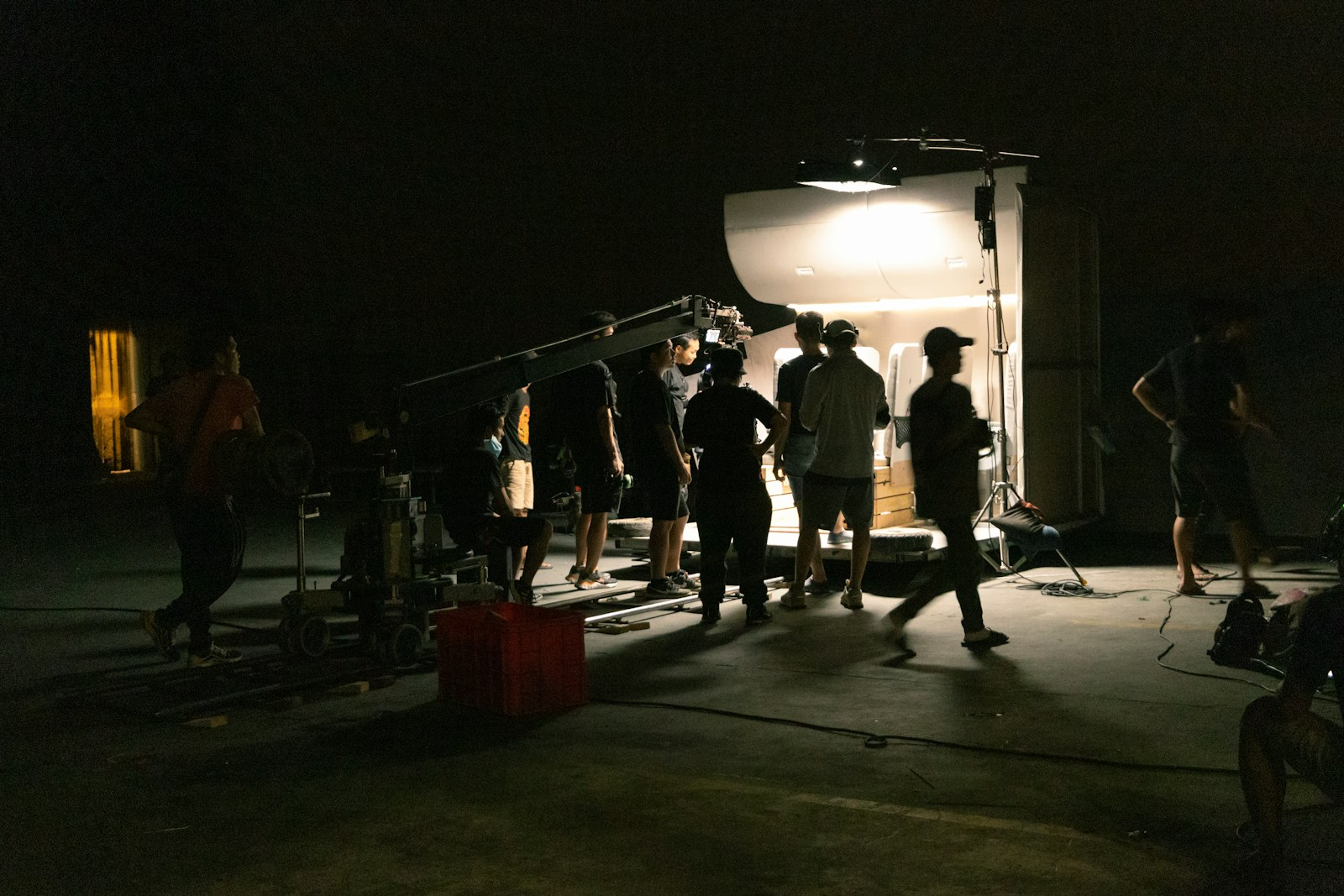
Production is the physical creation of the film. Directors, actors, cinematographers, camera operators, lighting technicians, sound recordists, production designers and many other specialists work together to capture the material required for the finished production.
Post-production transforms the captured material into the final film. Editors assemble the footage, sound professionals clean and design the soundtrack, colourists establish the visual appearance, composers and music supervisors contribute music, and visual effects artists create or enhance digital elements.
Understanding this workflow is important even when pursuing a specialist career. An editor benefits from understanding cinematography, a director needs to understand editing, and a cinematographer needs to understand how lighting and colour will behave during post-production. Filmmaking is therefore highly collaborative, with each department contributing to the final creative result.
Screenwriter
The screenwriter creates the screenplay that provides the foundation for a narrative film or television production. Screenwriters develop the premise, characters, dialogue, scenes, structure and dramatic progression.
The role requires exceptional storytelling ability as well as an understanding of screenplay formatting, character development, dialogue, pacing, conflict and three-act or alternative narrative structures. Screenwriters also need to understand the difference between writing for the page and writing for the screen.
Professional screenwriters need to be able to communicate visually. Rather than describing every detail of a character’s internal thoughts, the screenplay must provide material that can eventually be communicated through performance, cinematography, production design, sound and editing.
Building a career in screenwriting usually begins with short scripts and progressively moves towards television pilots, feature-length screenplays, documentary treatments or other professional formats. A portfolio containing several completed scripts is essential.
Film Director
The director is responsible for translating the screenplay into an audiovisual experience. Directors establish the creative vision of a project and collaborate with virtually every major department.
Directing requires a combination of leadership, storytelling, visual communication, decision-making and interpersonal skills. Directors need to work with actors to achieve performances, collaborate with cinematographers to establish the visual language and communicate with editors to shape the final narrative.
A director also needs to understand blocking, shot composition, camera movement, pacing, lighting, sound and production design. They do not necessarily need to be the technical expert in every department, but they need enough knowledge to communicate effectively with specialists.
Aspiring directors should begin by making short productions. A five-minute film completed successfully can provide more useful experience than an unfinished feature-length project. Over time, directors can progress towards larger independent productions, commercials, music videos, television and feature films.
Cinematographer and Director of Photography
The cinematographer, often known as the director of photography or DP, is responsible for the visual appearance of a film.
This includes decisions involving cameras, lenses, exposure, composition, lighting, camera movement and colour. Cinematographers work closely with directors to determine how the story should look and how visual decisions can reinforce mood, character and emotion.
The technical skills required include understanding aperture, shutter speed, ISO, focal length, depth of field, frame rates, dynamic range, codecs and camera systems. Lighting knowledge is equally important, including natural light, artificial lighting, diffusion, colour temperature, contrast and lighting ratios.
However, cinematography is not simply about operating an expensive camera. A successful cinematographer understands visual storytelling and knows how to use framing, light, colour and movement to communicate meaning.
A strong cinematography portfolio should demonstrate a range of lighting environments, compositions and camera movements. Aspiring cinematographers should aim to build a showreel that demonstrates visual storytelling rather than simply presenting attractive individual shots.
Camera Operator
Camera operators are responsible for operating cameras during production, generally working under the direction of the cinematographer or director.
The role requires excellent technical knowledge, physical coordination, concentration and an understanding of composition. Camera operators may work with handheld cameras, tripods, dollies, gimbals, cranes or other camera-support systems.
They must understand focus, exposure, lens selection, framing and movement while maintaining continuity and responding quickly to changing circumstances on set.
Practical experience is particularly important for this role. Aspiring camera operators should gain experience with different cameras and lenses while learning how professional productions organise camera departments.
Film Editor
Editors transform raw footage into the finished narrative.
The editor determines which shots are used, how scenes are structured, how performances are shaped and how the pacing influences the audience. Editing can fundamentally change the meaning and emotional impact of a scene.
Important skills include timeline management, continuity, pacing, storytelling, audio editing, colour correction, visual effects, media organisation and technical delivery.
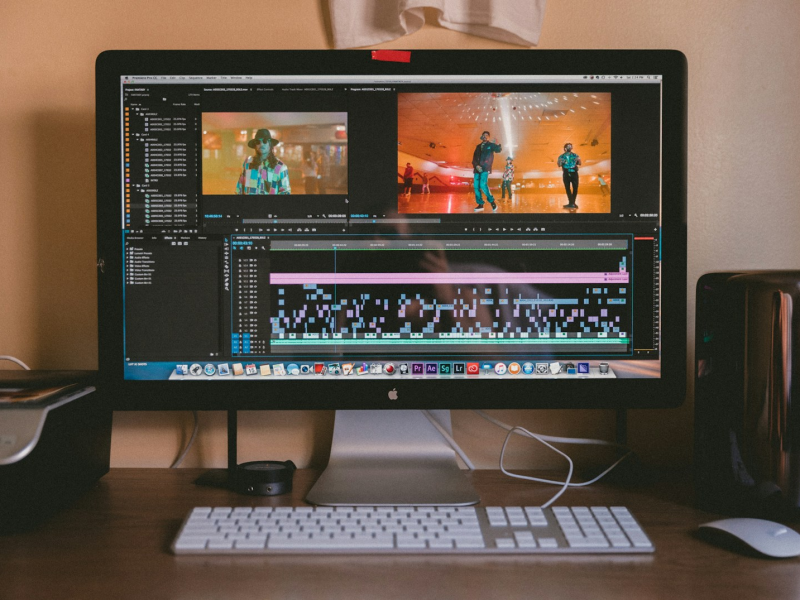
Professional editors should become highly proficient in at least one major editing platform. Adobe Premiere Pro and DaVinci Resolve are particularly valuable skills for aspiring filmmakers.
Editors should also understand the complete post-production workflow, including ingesting and organising footage, proxies, codecs, frame rates, audio synchronisation, colour management and delivery formats.
A strong editing portfolio should contain several examples demonstrating different styles of editing. Narrative scenes, documentaries, commercials, music videos and short-form digital content can all demonstrate transferable editing ability.
Colourist
Colourists are responsible for establishing the final visual appearance of a production.
Their work begins with technical colour correction, including exposure, white balance, consistency and skin tones. Creative grading then establishes the visual mood of the production.
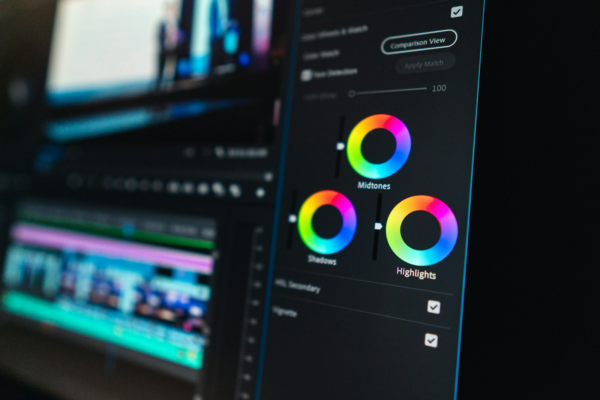
Colourists need to understand colour science, scopes, LUTs, colour spaces, contrast, saturation and colour-management workflows. They also require strong visual judgement.
DaVinci Resolve is particularly significant in professional colour workflows, making Resolve knowledge a valuable technical skill for aspiring colourists.
A colourist’s portfolio should demonstrate before-and-after examples and show an ability to maintain consistency across different scenes and lighting conditions.
Sound Recordist
Sound recording is one of the most important technical aspects of filmmaking because poor audio can immediately make a production appear amateur.
Production sound recordists capture dialogue, ambience and other sounds during filming. They need to understand microphones, boom operation, wireless systems, recording levels, monitoring and location acoustics.
The role requires technical competence, concentration and the ability to anticipate problems before they occur. Dialogue must remain clear despite background noise, environmental conditions and movement.
Aspiring sound recordists should develop practical experience with different microphones and recording systems and learn how to troubleshoot common location-sound problems.
Sound Designer and Audio Post-Production Specialist
Sound designers work during post-production to create the sonic environment of a film.
This can involve dialogue editing, Foley, sound effects, ambience, soundscapes, music integration, noise reduction and mixing.
Sound design can dramatically influence audience perception. A scene can feel tense, emotional, frightening or peaceful depending on how sound is used.
Professionals in this area should develop knowledge of digital audio workstations, mixing, EQ, compression, reverb, noise reduction and spatial audio.
An audio portfolio should demonstrate different sound-design approaches and include examples where sound contributes significantly to the storytelling.
Film Producer
Producers are responsible for turning creative concepts into viable productions.
Depending on the production, producers may become involved in development, financing, budgeting, scheduling, casting, hiring, locations, contracts, distribution and marketing.
Producers therefore require a combination of creative and commercial skills. They need to understand filmmaking sufficiently to communicate with creative departments while also managing budgets, schedules and business relationships.
Project management is particularly valuable because film productions involve large numbers of people working within fixed deadlines and financial constraints.
Aspiring producers can gain experience by organising independent short films, documentaries, online productions and commercial projects. Production credits provide valuable evidence of organisational capability.
Production Manager and Production Coordinator
Production managers and coordinators provide the organisational infrastructure required to keep productions operating effectively.
They may be responsible for schedules, call sheets, logistics, equipment, locations, crew coordination, paperwork and communication.
These positions are excellent entry points for people who enjoy organisation and teamwork but do not necessarily want to pursue a purely creative role.
Important skills include project management, communication, budgeting, scheduling, problem-solving and attention to detail.
Production professionals also need to understand health and safety requirements, production procedures and professional set etiquette.
Production Designer and Art Department
Production designers establish the physical visual world of a production.
They collaborate with directors and cinematographers to determine how locations, sets, props, costumes, colours and other physical elements should appear.
The art department can include production designers, art directors, set decorators, prop designers, construction specialists and assistants.
These careers are particularly suitable for people with backgrounds in design, architecture, illustration, theatre or visual arts.
A portfolio is essential and should demonstrate concept development, mood boards, set designs, visual references, prop concepts and completed work.
Visual Effects Artist
Visual effects artists create or enhance elements that cannot easily be captured during production.
This can include digital environments, creatures, objects, explosions, environments, set extensions and other visual elements.
Modern VFX involves a range of disciplines, including compositing, tracking, rotoscoping, 3D modelling, animation and simulation.
Aspiring VFX artists should generally specialise rather than attempting to master every area simultaneously. A junior compositor, for example, may concentrate on compositing and tracking before expanding into other disciplines.
Adobe After Effects is particularly relevant for motion graphics and compositing, while additional specialist software can be introduced as careers progress.
Motion Graphics Designer
Motion graphics professionals create animated visual elements for films, television, advertising and digital media.
They may create titles, credits, animated graphics, logos, infographics and promotional sequences.
This career sits between filmmaking, graphic design and animation. It requires knowledge of typography, composition, animation principles, visual storytelling and software such as Adobe After Effects.
Motion graphics is also an attractive entry point because demand exists beyond traditional film production. Advertising agencies, corporations, broadcasters and digital-media companies all require animated visual content.
Essential Filmmaking Skills
Although filmmaking contains many specialised careers, several core skills are useful across almost every role.
Storytelling is the most important. Filmmakers must understand how audiences respond to characters, conflict, emotion, pacing and visual information.
Visual literacy is equally important. Professionals should understand composition, lighting, colour, camera movement and production design.
Technical literacy is another essential component. Modern filmmakers should understand digital cameras, lenses, lighting, sound recording, editing software, file formats and post-production workflows.
Communication is fundamental because filmmaking is collaborative. Professionals must communicate ideas clearly and work effectively with people from different departments.
Teamwork is equally important. Film sets can involve dozens or even hundreds of people, meaning reliability and professionalism can influence career progression as much as technical ability.
Project management is particularly important for producers, directors and production staff but is increasingly valuable for freelancers and independent filmmakers.
Commercial awareness is also becoming more important. Filmmakers need to understand how productions are financed, how creative services are priced and how projects are marketed and distributed.
Certifications That Can Strengthen a Filmmaking Career
Filmmaking differs from regulated professions because there is no universal certification required to become a filmmaker.
In most creative roles, portfolios, showreels and professional credits carry greater weight than certificates. Nevertheless, technical certifications can demonstrate competence with industry-standard software.
Adobe Certified Professional credentials can be particularly useful for editors and motion graphics professionals working with Premiere Pro, After Effects and other Creative Cloud applications.
For professionals specialising in DaVinci Resolve, Blackmagic Design’s official training and certification pathway can provide additional evidence of technical competence.
Certifications should therefore be viewed as supporting credentials rather than replacements for practical experience.
A filmmaker with a strong portfolio, professional credits and one relevant certification will generally have a more compelling profile than someone with numerous certificates but little practical work.
Building a Filmmaking Portfolio
The portfolio is one of the most important career assets for an aspiring filmmaker.
Beginners should avoid waiting for the perfect equipment or production opportunity. A short film made with limited resources can provide valuable experience in storytelling, cinematography, editing and production.
The first objective should be completing projects rather than attempting to create a masterpiece.
An aspiring filmmaker might begin with a one-minute visual exercise, progress to a short narrative scene and then create a five- or ten-minute short film.
Each project should demonstrate improvement.
Specialists should also create targeted showreels. Cinematographers should showcase lighting and composition. Editors should demonstrate pacing and storytelling. Sound designers should showcase audio work. VFX artists should demonstrate compositing and effects.
The portfolio should eventually contain the strongest examples rather than everything the filmmaker has created.
Networking and Professional Experience
Networking is a major component of filmmaking because productions depend heavily on professional relationships.
Aspiring filmmakers should participate in independent productions, film festivals, filmmaking communities, workshops and creative events.
Working on other people’s productions is particularly valuable. Entry-level positions can provide exposure to professional workflows and introduce aspiring filmmakers to people who may later recommend them for paid opportunities.
Professionalism is critical. Arriving on time, communicating clearly, meeting deadlines, respecting colleagues and being prepared can determine whether someone is invited back to a production.
The objective is to develop a reputation as someone who is both talented and dependable.
The Best Online Courses for Filmmaking in 2026
As the employment landscape evolves, continuous learning is becoming increasingly important for professionals seeking successful careers in filmmaking, film production, cinematography, directing, screenwriting, editing and digital video production without relying exclusively on traditional university qualifications. Online courses provide accessible opportunities to develop in-demand skills such as screenwriting, visual storytelling, directing, cinematography, camera operation, video editing, colour grading, sound design, storyboarding and post-production, while professional certifications can strengthen a resume and demonstrate proficiency with industry-standard software.
For career changers, freelancers, self-taught filmmakers and people without traditional film-school qualifications, the most effective approach is to combine structured online learning with practical filmmaking projects and real-world production experience. Courses can provide the creative and technical foundation, but writing scripts, producing short films, shooting scenes, editing footage, developing showreels, creating storyboards and completing independent productions provide valuable evidence of career-ready filmmaking skills.
Write A Feature Length Screenplay For Film Or Television | Coursera
Platform: Coursera
Level: Beginner
Focus: Screenwriting, Story Structure, Character Development, Dialogue and Feature Film Writing
Write A Feature Length Screenplay For Film Or Television is particularly valuable for aspiring screenwriters, directors and producers who want to understand how professional feature-length screenplays are developed.
The course explores the foundations of screenplay development, including story structure, character creation, plot development, dialogue and screenplay formatting. Learners are encouraged to develop their own feature-length screenplay rather than simply studying screenwriting theory.
A major advantage is the opportunity to work progressively towards a substantial creative project. Completing a screenplay can provide an important portfolio asset for aspiring screenwriters and demonstrate the ability to develop a narrative from an initial concept through to a structured script.
For aspiring Screenwriters, Film Directors, Producers and Creative Development Professionals, the course provides a practical foundation in one of the most important stages of film development.
Course Link: Write A Feature Length Screenplay For Film Or Television | Coursera
Introduction to Film Direction | Domestika
Platform: Domestika
Level: Beginner
Focus: Film Direction, Storyboards, Shoot Planning, Actors, Cinematography and Post-Production
Introduction to Film Direction provides a practical introduction to the creative and organisational responsibilities of a film director. The course is particularly suitable for aspiring directors who want to understand how an initial creative concept is transformed into a completed audiovisual production.
The course explores the director’s role throughout the production process, including developing ideas, preparing scenes, working with actors, planning shots and communicating creative decisions to the production team.
One of its strengths is its emphasis on practical filmmaking. Rather than focusing exclusively on directing theory, learners explore how to prepare and execute a production while considering the relationship between story, performance, camera and editing.
For aspiring Film Directors, Assistant Directors, Independent Filmmakers and Content Directors, the course provides useful insight into the responsibilities involved in leading a production.
Course Link: Introduction to Film Direction | Domestika
Introduction to Film Photography Direction | Domestika
Platform: Domestika
Level: Beginner
Focus: Cinematography, Lighting, Camera Work, Composition, Colour and Visual Storytelling
Introduction to Film Photography Direction is designed for aspiring cinematographers and filmmakers who want to develop a stronger understanding of how visual decisions influence the audience’s perception of a story.
The course explores the relationship between camera, lighting and storytelling. Learners develop an understanding of how composition, colour, light and camera techniques can be used to create atmosphere and communicate emotion.
A major strength is its focus on visual storytelling rather than simply teaching camera operation. This is important because professional cinematography requires both technical knowledge and creative judgement.
For aspiring Cinematographers, Directors of Photography, Camera Operators, Directors and Independent Filmmakers, the course provides a useful foundation in the visual language of filmmaking.
Course Link: Introduction to Film Photography Direction | Domestika
Video Production Masterclass: Complete Video Camera Course | Udemy
Platform: Udemy
Level: Beginner to Intermediate
Focus: Camera Operation, Exposure, Composition, Cinematography and Video Production
Video Production Masterclass: Complete Video Camera Course provides a broad technical introduction to cameras and video production. It is particularly useful for people who want to develop practical camera skills before progressing into more specialised cinematography training.
The course covers important technical concepts including camera settings, exposure, lenses, composition and video-production techniques. These fundamentals are essential for aspiring camera operators and cinematographers because technical mistakes can significantly affect the quality of the final production.
The course can also benefit independent filmmakers who need to understand how to operate their own equipment. Developing camera competence allows filmmakers to take greater control over their productions and communicate more effectively with professional camera crews.
For aspiring Camera Operators, Cinematographers, Directors and Independent Filmmakers, the course provides a practical foundation in camera and video-production skills.
Course Link: Video Production Masterclass: Complete Video Camera Course | Udemy
Adobe Premiere Pro Masterclass: Video Editing in Premiere | Udemy
Platform: Udemy
Level: Beginner to Advanced
Focus: Video Editing, Adobe Premiere Pro, Audio, Colour, Effects and Professional Post-Production
Adobe Premiere Pro Masterclass: Video Editing in Premiere is a strong choice for aspiring film editors and filmmakers who want to develop professional editing skills using one of the industry’s most widely recognised editing applications.
The course covers the fundamentals of Premiere Pro before progressing into more advanced editing techniques. Learners develop skills in organising footage, constructing sequences, editing dialogue, working with audio, applying effects and preparing completed projects for delivery.
A major advantage of learning professional editing software is that editing skills are transferable across many areas of the film and video industry. Editors can work on films, television programmes, documentaries, commercials, corporate productions, music videos and online content.
For aspiring Film Editors, Assistant Editors, Video Editors, Directors and Independent Filmmakers, the course provides practical software skills that can be demonstrated through an editing portfolio or showreel.
Course Link: Adobe Premiere Pro Masterclass: Video Editing in Premiere | Udemy
Learn to Storyboard for Film or Animation | Udemy
Platform: Udemy
Level: Beginner
Focus: Storyboarding, Visual Planning, Shot Design, Film Pre-Production and Animation
Learn to Storyboard for Film or Animation is particularly useful for aspiring directors, cinematographers and visual storytellers who want to strengthen their pre-production skills.
Storyboarding enables filmmakers to visualise scenes before filming begins. It can help determine camera positions, shot sizes, composition, movement and transitions while allowing directors and cinematographers to communicate ideas to the wider production team.
Developing storyboarding skills can also reduce production problems because creative decisions can be considered before cameras begin rolling. This makes storyboarding particularly valuable for directors working with limited budgets and tight schedules.
For aspiring Film Directors, Cinematographers, Animators, Storyboard Artists and Independent Filmmakers, the course provides a practical skill that can be applied directly to production planning.
Course Link: Learn to Storyboard for Film or Animation | Udemy
Complete Filmmaker Guide: Become an Incredible Video Creator | Udemy
Platform: Udemy
Level: Beginner
Focus: Filmmaking, Pre-Production, Cinematography, Video Production and Editing
Complete Filmmaker Guide: Become an Incredible Video Creator provides a broad introduction to the filmmaking process and is particularly suitable for beginners who want to understand how the different stages of production fit together.
The course introduces the fundamentals of pre-production, camera work, cinematography, video production and editing. This broad approach can help newcomers determine which areas of filmmaking they are most interested in before choosing a specialist career direction.
The course is particularly useful for independent filmmakers because understanding the entire production workflow makes it possible to plan and complete smaller projects with limited crews and resources.
For aspiring Filmmakers, Directors, Content Creators, Camera Operators and Video Editors, the course provides a broad foundation on which to build more specialised skills.
Course Link: Complete Filmmaker Guide: Become an Incredible Video Creator | Udemy
A 12-Month Roadmap to Enter the Filmmaking Industry
Months 1–2: Learn the Fundamentals
Start by developing an understanding of storytelling, screenwriting, cinematography, camera operation, lighting, sound and editing.
At this stage, the objective is not to specialise immediately but to understand the complete filmmaking workflow.
Watch professional films analytically and study how directors, cinematographers and editors create emotion and meaning.
Months 3–4: Choose a Specialisation
Begin identifying the filmmaking discipline that best matches your interests and strengths.
Potential directions include directing, screenwriting, cinematography, editing, sound, production, colour grading, production design or visual effects.
Continue learning the fundamentals of the other departments because filmmaking remains highly collaborative.
Months 5–6: Create Your First Short Film
Write and produce a short film.
Keep the production manageable. A limited cast, a small number of locations and a simple story will make it easier to complete the project.
The objective is to experience the entire process from development through final export.
Months 7–8: Build a Portfolio
Create additional projects that showcase your chosen specialisation.
An aspiring cinematographer might shoot several carefully lit scenes. An editor could produce different versions of the same sequence. A director might create several short narrative scenes.
Begin assembling a showreel.
Months 9–10: Gain Industry Experience
Start applying for production assistant positions, junior editing opportunities, freelance work, internships and independent film projects.
The objective is to gain professional credits and learn how real productions operate.
Months 11–12: Strengthen Your Professional Profile
Review your portfolio and remove weaker work.
Develop a professional CV, website and showreel. Add relevant software certifications where appropriate.
Begin contacting production companies, independent filmmakers, agencies and other potential employers or clients.
At the end of the first year, the goal should be to have a portfolio, practical production experience and a clear specialisation rather than simply a collection of completed courses.
The Future of Filmmaking Careers
The filmmaking industry is changing as artificial intelligence, virtual production, real-time rendering, digital cameras and increasingly sophisticated post-production technologies become more accessible.
AI-assisted tools are already influencing areas such as pre-production, transcription, editing, visual development and post-production. Virtual production is also changing how filmmakers approach locations, environments and visual effects.
However, technological change does not eliminate the need for creative judgement. Storytelling, directing, cinematography, editing and sound still require human interpretation.
The most future-proof filmmaking professionals will therefore combine strong creative fundamentals with an understanding of emerging technology.
Rather than attempting to master every new tool, aspiring filmmakers should develop durable skills in storytelling, visual communication, production and collaboration before adding new technologies to their workflow.
Final Thoughts
A career in filmmaking can follow many different paths. Some professionals become directors or screenwriters, while others build successful careers in cinematography, editing, sound, production, colour grading, visual effects or production design.
The most important step is to begin creating work. Filmmaking is a practical profession, and the ability to demonstrate what you can produce is often more valuable than simply describing what you have studied.
Aspiring filmmakers should therefore combine structured education with practical projects, portfolio development, professional networking and real-world production experience. Certifications can strengthen a CV, particularly when they demonstrate proficiency with widely used software, but they should complement rather than replace practical work.
For newcomers in 2026, the opportunities extend well beyond traditional cinema. Streaming, television, advertising, documentary production, branded content, online video and digital media all require skilled filmmaking professionals.
With a clear specialisation, strong portfolio, relevant technical skills and a willingness to start at entry level, aspiring filmmakers can progressively move from learning the fundamentals to creating professional work and building a sustainable career in the global film and video industry.