







Intro
Adobe After Effects has firmly established itself as the industry standard for motion graphics, compositing, animation, and visual storytelling. Since its introduction in the early 1990s, After Effects has evolved from a simple motion compositing tool into a sophisticated creative engine used across film, television, advertising, UI animation, digital marketing, and immersive content creation. However, nowhere is this evolution more evident than in 2026, a year that marks a dramatic shift in how designers and artists approach motion work, workflow efficiency, and visual complexity. As the creative landscape embraces new technological possibilities and design expectations expand, After Effects remains central to how professionals execute expressive visual content — but only if designers are equipped with the right skills and learning frameworks.
This comprehensive article explores the cutting‑edge trends shaping After Effects in 2026, highlights the skills that will define successful motion designers, and offers timely guidance on the best online and live After Effects courses available this year. Whether you’re a seasoned animator, a digital creator planning to level up, or a beginner considering your first steps into motion design, this guide outlines not just what’s new, but what matters most for meaningful creative growth.
Lets Dive In
The Changing Landscape of Adobe After Effects
By 2026, Adobe After Effects has transformed beyond traditional 2D animation and basic compositing. Several major developments in the software reflect the broader shifts in creative workflows and industry expectations.
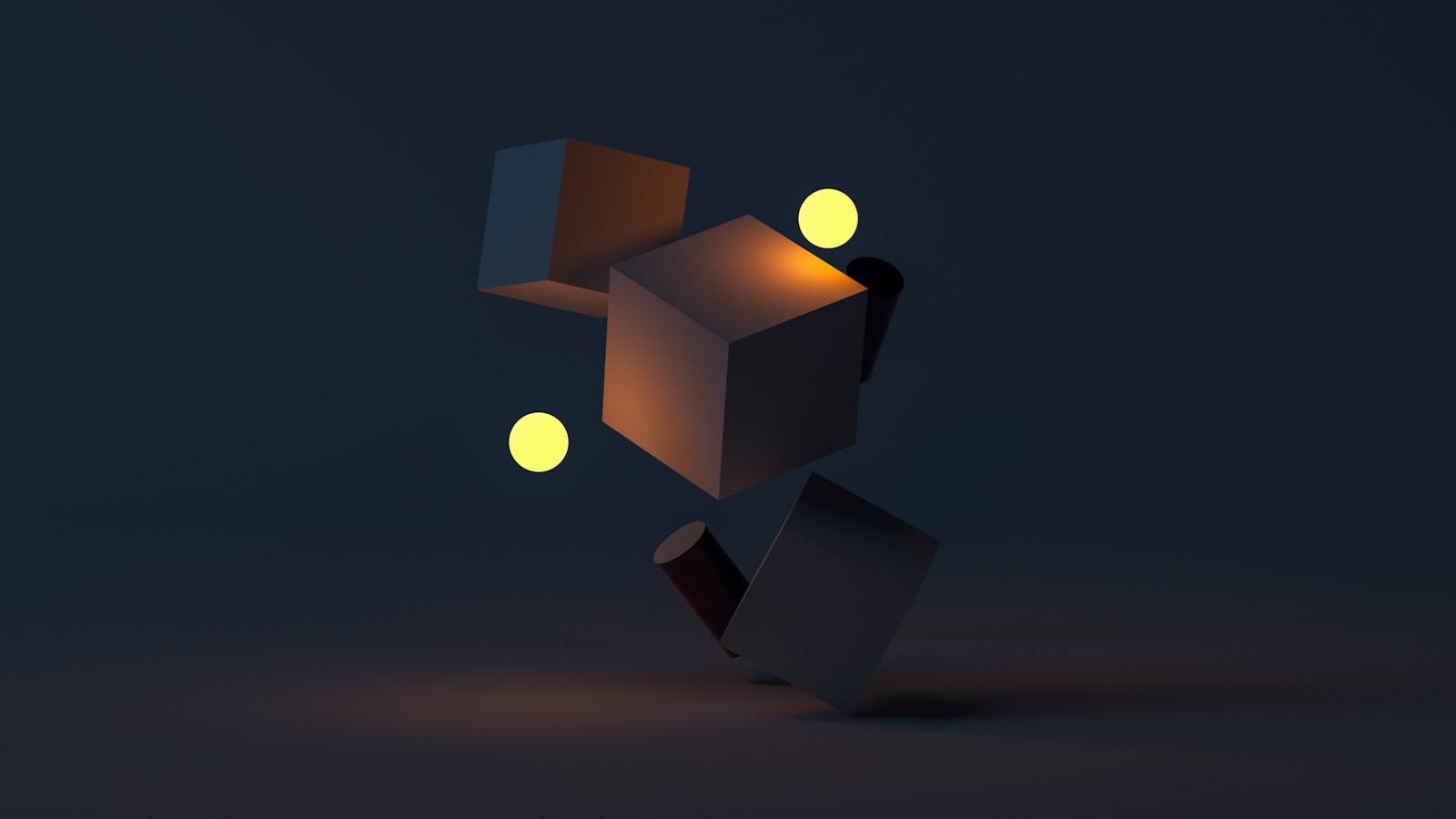
One of the most notable changes is the inclusion of native 3D shape creation and parametric mesh capabilities, enabling motion designers to build three‑dimensional objects inside After Effects itself without relying on third‑party 3D tools. This development marks a departure from previous workflows where artists often animated flat layers or imported external 3D assets. Integrated support for parametric objects such as spheres and cubes, coupled with the ability to control materials and lighting directly within compositions, opens up new realms of expressive motion possibilities.
Alongside these 3D enhancements, After Effects has improved its handling of vector artwork, particularly through expanded support for SVG files as true shape layers. Designers can now animate vector files with gradients and scalable paths intact, eliminating the need to pre‑process artwork in Illustrator or rely on workarounds that previously compromised fidelity.
Lighting and shadow systems have also matured. Spot and parallel lights cast realistic shadows in 3D spaces, and fine control over light attributes gives motion designers cinematic control inside traditionally 2D timelines. This is significant because it allows integration of dimensional visual depth without necessitating a switch to heavy 3D applications.
Simultaneously, new effects and workflow tools such as Unmult — which intelligently separates image elements based on transparency and brightness — facilitate cleaner compositing of complex layered footage. These improvements sharpen motion workflows and reduce the editorial overhead that plagued older versions of After Effects.
Perhaps the most transformative influence on After Effects workflows in 2026, however, is the growing influence of AI‑assisted tools. Motion designers now work with features that use intelligent analysis to automate laborious processes like rotoscoping, motion tracking, color separation, and even scene reconstruction. While AI doesn’t replace human creativity, it accelerates repetitive tasks and frees designers to focus on higher‑level creative thinking.
Broader Motion Design Trends Influencing After Effects Usage
The evolution of After Effects doesn’t occur in isolation; it reflects broader shifts in motion design trends across digital media. In 2026, several pattern shifts influence how motion designers work and what clients expect.
Motion graphics have moved closer to the realms of storytelling and interaction design. Kinetic typography — animated text that conveys meaning through motion — has become a staple for aligning messaging with rhythm and narrative pacing, particularly in advertising and social content. Designers increasingly combine typographic motion with vibrant transitions, nuanced easing, and layered aesthetics that pull audiences into the message.
Dynamic and data‑driven graphics have also come to the forefront. Rather than static visuals, audiences today expect content that moves with real data, whether animated dashboards, live updating charts, or content that reacts to user interaction. This shift has especially impacted corporate presentations, educational media, and information design, where visual clarity and immediacy are paramount. After Effects supports these approaches through its ability to link compositions with live or structured datasets, enabling motion that feels alive and contextually relevant.
Another trend in creative design is the embrace of subtle realism. Instead of flat and minimalistic animation that dominated previous years, designers now favor nuanced motion and texture that feels tactile. Dimensional layers, soft shadows, layered lighting, material surfaces, and responsive behaviors lend animations an organic feel that engages viewers emotionally rather than simply visually.
These trends have implications not just for artistic style, but also for the workflow demands placed on motion designers. Creators are expected to merge aesthetic sensibility, technical fluency, and narrative acuity in ways that formerly would have required multiple specialists.
Why 2026 Is a Turning Point for Motion Designers
The After Effects environment of 2026 underscores a larger truth: mastery of motion design now requires fusion of traditional craft with emerging capabilities in software automation, 3D integration, and conceptual design thinking. Designers can no longer rely solely on basic keyframing or simple effect stacks. Instead, they must embrace advanced procedural animation, expressions, data integration, lighting systems, 3D workflows, and storytelling principles.
Success in motion design requires not only understanding how to build animations, but also why certain motions communicate meaning effectively and how motion engages attention. The creative bar has risen as audiences become more visually sophisticated and clients demand richer content experiences.
Let’s explore the specific skills that motion designers need to thrive in this environment.
Core Skills Every Motion Designer Needs in 2026
Integrated 3D Workflows and Lighting
One of the most consequential shifts in After Effects is the emergence of integrated 3D workflows. Rather than treating depth and dimension as an add‑on, designers must now think in terms of real space — where camera movements, lights, shadows, and object depth all influence the visual outcome. Understanding how to position objects in 3D space, animate lighting characteristics, and manipulate shadows effectively gives motion designers an edge in creating cinematic visuals without leaving the familiar After Effects interface.
This shift is significant because it breaks down barriers between flat motion graphics and dimensional visual storytelling. Designers can simulate environmental lighting conditions, integrate photo‑realistic textures, and orchestrate camera paths that feel organic and expressive. As a result, motion work outfitted with 3D depth is increasingly seen in high‑end broadcast graphics, tech product demos, brand storytelling sequences, and immersive digital experiences.
Expressions and Procedural Animation
While older approaches to animation focus on hand‑keyed motion, modern workflows increasingly leverage expressions — small programmable scripts that define animation behavior through logic, math and conditional relationships. Expressions enable procedural animation, where properties such as timing, repetition, responsiveness and constraint relationships behave dynamically according to rules rather than static keyframes.
Procedural animation matters because it scales. When you work with dozens or hundreds of elements — charts, icons, text labels — building motion manually is time‑consuming and error‑prone. Expressions allow you to set up systems that react intuitively when assets change. For example, an animated chart can automatically adjust its motion behavior when new data arrives, or a set of icons can ripple in response to a user interaction. Designers who master expressions command a more efficient, flexible and powerful approach to motion design.
Data‑Driven Motion and Animation
In 2026, motion design is not just about achieving polished visuals; it’s increasingly about communication. Data‑driven animation aligns motion with factual information, allowing visuals to update automatically, tell evolving stories, and visualize changing contexts. Whether it’s a news organization visualizing real‑time statistics, a corporate analytics dashboard, or an educational infographic, motion that responds to data enhances clarity and relevance.
After Effects supports dynamic linking with structured data formats. Designers who understand how to integrate and animate visuals based on data sources are more valuable, especially in fields like corporate media, broadcast design, educational content, and interactive presentations.
Smart Workflow Optimization and AI Integration
Artificial intelligence is not replacing motion designers, but it is reshaping the workflow. Tasks like rotoscoping (separating foreground from background), motion tracking (locking elements to moving footage), and even match‑moving (tracking camera movement to integrate 3D elements) are now accelerated by AI‑assisted tools that reduce manual refinement time. Designers who learn to balance smart automation with artistic judgment can deliver polished work quickly without sacrificing quality.
AI tools also influence creative ideation — suggesting alternative animation paths or automatically generating stylistic variations. Motion designers who leverage these tools wisely are able to experiment faster, prototype more boldly, and iterate with purpose.
Storytelling and Motion Principles
Despite the technical sophistication of modern tools, the core principles of effective motion design remain rooted in timing, spacing, rhythm, pacing and visual hierarchy. No amount of software automation substitutes for a designer’s ability to convey meaning through motion. Whether it’s guiding the viewer’s eye, creating emotional impact through movement, or shaping narrative flow, motion designers must have a deep understanding of design fundamentals.
A deep grasp of motion principles — ease‑in and ease‑out, anticipation and follow‑through, balance and contrast — allows designers to craft animations that feel intentional and compelling. These principles transcend software versions and trend cycles; they are the connective tissue between technical execution and emotional resonance.
Learning the Right Skills: Best After Effects Courses in 2026
Staying competitive in 2026 requires motion designers to combine technical mastery with creative skill, and structured learning is essential. Among the top courses this year, VFX with Adobe After Effects: From Novice to Expert offers hands-on training in advanced rotoscoping, 3D space integration, motion graphics, and professional compositing workflows. Updated for 2026, it emphasizes real projects and industry trends, providing a certificate that boosts both skill and professional credibility. It’s ideal for intermediate creators moving into professional or freelance work.
For learners with foundational After Effects knowledge, Coursera – Intermediate After Effects Specialization provides a progressive, project-based series covering masking, parented animations, tracking, and audio-driven motion. This specialization focuses on techniques directly applicable to real-world digital media, offering a solid pathway to advanced workflows.
Those seeking highly regarded live instruction from industry‑level trainers can consider School of Motion – Advanced Motion Methods & Expression Session — part of a suite of professional motion design courses taught by experienced practitioners. School of Motion courses blend live feedback, peer interaction and dedicated teaching assistants, helping learners dive deep into animation theory, expressions, procedural workflows and motion graphics best practices. These programs are known for their rigorous curriculum and community support, empowering motion designers to develop refined, professional‑grade skills and techniques that resonate in real production environments.
Finally, Docklands Media After Effects Courses — Intermediate & Advanced offers multi-day workshops covering rotoscoping, 3D layers, lighting, particle systems, expressions, and camera techniques. Designed for hands-on learning, these courses mirror industry workflows and provide lifetime access for ongoing revision, making them invaluable for refining skills and staying current with evolving After Effects practices.
Final Thoughts
By 2026, the field of motion design is both broader and deeper than it has ever been. Integrating After Effects into a larger ecosystem of design tools, real‑time creative environments, and interactive experiences, motion designers are expected to navigate multiple modalities of visual communication — from animated social content to immersive mixed reality visuals.
What remains constant through this evolution is the importance of mastering principles that transcend tools: thoughtful composition, purposeful movement, compelling storytelling, and creative problem‑solving. Designers who fuse these principles with fluency in modern After Effects workflows will not only remain relevant, but also shape the future of visual communication.
Adobe After Effects continues to be a foundational tool for motion designers — but it is only as powerful as the creative skill and conceptual insight brought to the work. By developing a nuanced understanding of emerging trends, embracing advanced workflows, and committing to structured learning, motion designers can position themselves at the forefront of their craft in 2026 and beyond.