


Intro
As artificial intelligence (AI) continues to transform nearly every sector of the global economy, digital marketing stands at the forefront of this seismic shift. Once powered primarily by human intuition, creativity, and data spreadsheets, digital marketing in 2025 is increasingly defined by intelligent systems that learn, adapt, and automate in real time. For marketers, this presents both an unprecedented opportunity and a daunting challenge. The rapid evolution of AI in marketing demands new skills, fresh strategies, and a mindset that embraces continuous innovation.
In today’s digital ecosystem, AI is already deeply embedded in marketing tools and platforms. Whether you’re crafting hyper-personalized email campaigns, analyzing user behavior with predictive analytics, or deploying dynamic ad creatives, chances are you’re already using AI—even if you’re not fully aware of it. Tools like OpenAI’s ChatGPT, Google’s Gemini, Adobe Sensei, and Salesforce Einstein are not just optional add-ons; they are becoming the backbone of modern digital marketing operations.
As AI technologies mature, marketers can no longer afford to remain passive users. The future of digital marketing belongs to professionals who understand how AI works, who can orchestrate human-machine collaboration effectively, and who are willing to reinvent traditional marketing workflows for the digital age.
Lets Dive In
AI’s Expanding Role in the Digital Marketing Landscape
Artificial intelligence is not a single tool but a suite of technologies, including machine learning, natural language processing, computer vision, and neural networks. Together, these capabilities allow AI to process massive datasets, detect patterns, and make predictions at a scale that far surpasses human capability.
For example, AI-driven content creation tools are enabling brands to generate articles, product descriptions, and social media posts that are optimized for SEO and tailored to specific audience segments. Natural language generation, as seen in tools like Jasper and ChatGPT, allows marketers to produce copy that maintains tone, voice, and narrative consistency across platforms.
In performance marketing, machine learning algorithms can dynamically adjust bidding strategies based on user behavior, intent, and contextual data—improving return on ad spend (ROAS) with minimal manual intervention. AI also powers real-time recommendation engines, used by platforms like Amazon and Netflix, to deliver highly personalized user experiences.
Voice search and visual search, both powered by AI, are gaining traction among consumers. As a result, marketers must expand their optimization strategies beyond text to include voice-activated commands and image-based queries. This means that digital marketers must now think more holistically about content design, metadata structure, and context relevance.
Preparing for an AI-Driven Future: How Digital Marketers Can Adapt
In 2025, digital marketers need to move beyond simply using AI tools—they must learn how to work with AI as a strategic partner. The most successful professionals will be those who can fuse creative storytelling with data-driven insights to produce campaigns that resonate emotionally while delivering measurable impact.
A core component of this transition is the development of AI literacy. Understanding how generative AI models like GPT-4.5 or Gemini work, how they process language, and how to craft effective prompts is now a vital skill set. This is known as prompt engineering, and it allows marketers to guide AI tools toward generating more accurate, on-brand, and relevant outputs. Those who can prompt with clarity and precision gain a significant productivity advantage.
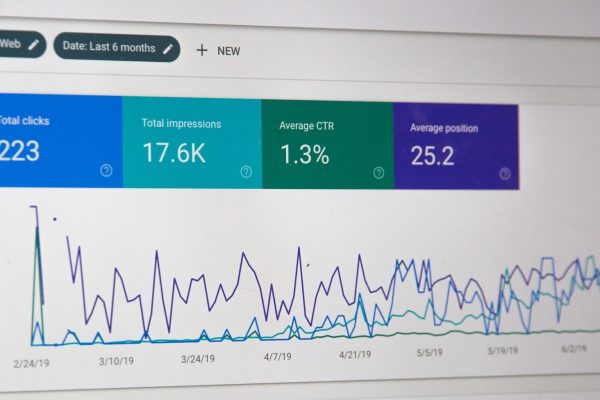
Equally important is the ability to interpret and act on data. Marketers who are fluent in platforms like Google Analytics 4, Power BI, or Tableau are better equipped to make informed decisions based on user behavior, campaign performance, and predictive trends. In a world flooded with data, the ability to synthesize insights and communicate them clearly is indispensable.
Strategic SEO is another area undergoing transformation. With AI-driven search engines like Google integrating models like MUM and BERT into their algorithms, marketers must focus on creating content that aligns with user intent rather than just exact keyword matches. Content must be high-quality, context-rich, and helpful—an approach sometimes called semantic SEO.
Moreover, understanding the customer journey in an AI context is critical. Today’s consumers interact with brands across numerous touchpoints, from social media and email to chatbots and digital ads. AI enables real-time personalization at each step, but marketers must map these journeys carefully to deliver consistent and meaningful experiences.
Another often overlooked but increasingly crucial skill is ethical marketing. As AI systems collect and analyze personal data, marketers must be vigilant about data privacy, consent management, and algorithmic fairness. In many regions, including the EU and parts of the U.S., stricter data regulations are in place, making it essential to stay compliant and transparent.
Key Skills and Courses to Stay Ahead in 2025
To thrive in this evolving environment, marketers need to strategically upskill in both technical and soft areas. AI literacy, including prompt engineering and understanding model limitations, is foundational. This knowledge allows you to work effectively with tools like ChatGPT, Claude, or Gemini and to use them responsibly.
Data analytics continues to be a high-demand skill. Knowing how to track, analyze, and interpret marketing data is essential for optimizing campaigns and demonstrating ROI. Skills in data storytelling, basic statistics, and A/B testing methodology are also valuable.
Search engine optimization is evolving, and so should your expertise. SEO professionals must now adapt their strategies to account for voice search, visual search, and AI-generated results. Tools like Surfer SEO and Clearscope, which incorporate AI recommendations, can help, but the human ability to align content with user needs remains central.
Marketing automation is another area seeing explosive growth. Platforms like HubSpot, Marketo, and Salesforce Marketing Cloud now include AI capabilities to improve targeting, timing, and content personalization. Knowing how to manage automated workflows, trigger-based emails, and dynamic content is critical for campaign success.
Strategic thinking, storytelling, and brand positioning remain deeply human skills that AI cannot replace. The most successful digital marketers will be those who can combine empathy with analytics, crafting narratives that connect while using data to ensure they convert.
To build these capabilities, numerous online courses in 2025 cater to marketers looking to future-proof their careers. For AI-focused training, AI for Marketing by Northwestern University on Coursera remains a leading choice. It offers a comprehensive overview of how AI is used in market segmentation, personalization, and campaign design.
If you’re aiming to sharpen your skills in prompt engineering, Prompt Engineering for ChatGPT and Large Language Models on Udemy provides hands-on experience that is directly applicable to day-to-day marketing tasks.
For data analytics, Digital Marketing Analytics in Practice by the University of Illinois on Coursera delivers real-world applications of concepts such as attribution modeling and customer lifetime value.
To stay on top of SEO in the AI era, SEO Course 2025: Complete AI SEO Masterclass by Udemy is tailored for marketers who want to understand how AI impacts search rankings and how to optimize content accordingly.
For automation, AI Essentials for Marketers on LinkedIn Learning offers both beginner and intermediate-level instruction on automating customer journeys with smart content and segmentation.
Hubspot’s AI Essentials for Marketers is another accessible and free option, providing a solid foundation in AI tools and strategies without requiring a technical background.
Final Thoughts
As we look beyond 2025, the role of AI in marketing will only deepen. We can expect the rise of autonomous marketing systems—platforms that can design, deploy, and optimize campaigns with minimal human input. These systems will be able to generate creative assets, run multivariate testing, analyze performance, and adjust budgets in real time. However, human marketers will still be needed to set goals, define brand voice, and ensure campaigns align with ethical and cultural norms.
We’ll also see growth in multimodal AI, capable of integrating text, video, audio, and even 3D models. For marketers, this means the opportunity to create immersive, interactive brand experiences that span devices and platforms.
Despite the automation of many tasks, creativity will continue to be a defining trait of successful marketers. AI can enhance creativity by generating ideas, suggesting variations, and scaling content production—but the vision, emotion, and strategic intent must still come from human minds.
The emergence of AI is reshaping digital marketing in profound ways. For professionals in the field, this transformation is not a threat but an invitation—to evolve, to lead, and to deliver smarter, more relevant, and more impactful marketing experiences. By embracing AI as a collaborator rather than a competitor, digital marketers can unlock new levels of productivity, precision, and performance.
The key is to start now. Build your AI literacy, learn how to work with data, explore automation tools, and stay curious. The marketers who succeed in 2025 and beyond will be those who never stop learning, experimenting, and adapting. In the age of AI, your best asset is not just what you know—it’s your willingness to evolve.