


Intro
User Experience (UX) Design has become one of the most in-demand and rewarding careers in the digital economy. As businesses increasingly rely on websites, mobile applications, software platforms, e-commerce stores, and AI-powered products to engage customers, the need for professionals who can create intuitive, accessible, and user-friendly experiences continues to grow. UX Designers play a critical role in helping organizations understand customer needs, solve usability challenges, and develop products that drive engagement, satisfaction, and business success. This growing demand has created opportunities across industries including technology, healthcare, finance, education, retail, and government, making UX Design an attractive career choice for both graduates and career changers.
One of the reasons UX Design continues to attract professionals from diverse backgrounds is its unique combination of creativity, psychology, research, business strategy, and technology. Unlike many technical careers, success in UX Design is not solely dependent on coding expertise but on the ability to understand human behavior and design effective solutions to real-world problems. With the rise of artificial intelligence, digital transformation initiatives, and increasingly sophisticated customer expectations, UX professionals are becoming more valuable than ever. For those willing to develop the right skills, certifications, and portfolio projects, UX Design offers a clear pathway into a future-focused profession with strong long-term career growth and advancement opportunities.
Lets Dive In
Understanding What UX Design Really Is
User Experience Design is the process of creating products, services, and digital experiences that are useful, usable, accessible, and enjoyable. The goal of UX Design is to understand users’ needs, motivations, behaviors, and frustrations, then design solutions that provide meaningful and efficient experiences.
Many newcomers assume UX Design is simply about making websites look attractive. In reality, UX Design focuses primarily on problem-solving. A UX Designer seeks to understand why users behave the way they do, what obstacles they encounter, and how products can be improved to better serve their needs.
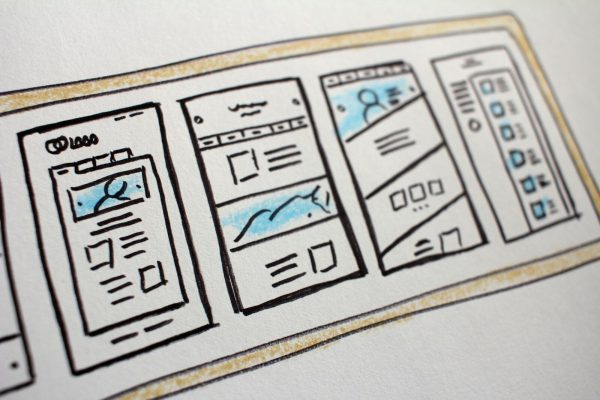
The UX Design process often begins with research. Designers conduct interviews, surveys, usability tests, and market analysis to understand user behavior. They then organize information, create user flows, develop wireframes, build prototypes, and test solutions before products are developed.
Modern UX professionals collaborate closely with product managers, software developers, business stakeholders, marketing teams, and customers. Their work directly influences customer satisfaction, product adoption, revenue growth, and overall business success.
Understanding the Different UX Career Paths
One of the most attractive aspects of UX Design is the variety of career specializations available. As professionals gain experience, they often choose to specialize in areas that align with their interests and strengths.
The most common entry point into the industry is the Junior UX Designer role. Junior designers typically assist with research, wireframing, prototyping, usability testing, and design documentation while learning from more experienced team members. This role provides exposure to the entire design process and serves as the foundation for future career growth.
As experience develops, many professionals progress into the UX Designer role, where they take ownership of projects, conduct independent research, collaborate directly with stakeholders, and contribute to product strategy. At this stage, designers begin building specialized expertise while strengthening their problem-solving and communication skills.
Some professionals pursue careers as UX Researchers. These specialists focus on understanding user behavior through interviews, usability testing, surveys, and data analysis. Their insights help organizations make informed design decisions based on evidence rather than assumptions.
Others become Interaction Designers, concentrating on how users interact with digital products. They design workflows, navigation systems, animations, transitions, and micro-interactions that improve usability and engagement.
The increasingly popular Product Designer role combines UX Design, user interface design, business strategy, and product thinking. Product Designers often work closely with product managers to shape both user experiences and product direction.
Visual thinkers frequently gravitate toward UI/UX Design roles that combine user experience strategy with interface design. These professionals focus on typography, color systems, layout design, branding, and visual consistency while maintaining usability principles.
For experienced professionals, opportunities eventually expand into Senior UX Designer, Lead UX Designer, UX Manager, Head of Design, and Director of UX positions. These leadership roles involve mentoring teams, establishing design processes, influencing organizational strategy, and driving innovation across multiple products.
Why UX Design Remains One of the Best Career Choices in 2026
Several factors continue driving demand for UX professionals worldwide.
Digital transformation initiatives remain a major priority for organizations of all sizes. Companies are continuously redesigning websites, modernizing applications, improving customer journeys, and developing new digital products. Each of these initiatives requires skilled UX professionals.
The growth of artificial intelligence has created entirely new design challenges. Businesses need designers who can create understandable, trustworthy, and user-friendly AI experiences. This emerging field of AI UX Design is expected to become one of the fastest-growing specializations over the next decade.
Remote work has also expanded employment opportunities significantly. UX Designers frequently work with distributed teams, allowing professionals to access international job markets and freelance opportunities regardless of geographic location.
Perhaps most importantly, UX Design offers strong career progression. Professionals can advance into leadership positions, transition into product management, specialize in research, or launch independent consulting practices.
Core Skills Required to Become a UX Designer
Building a successful UX career requires developing a combination of technical, analytical, creative, and interpersonal skills.
User research serves as the foundation of effective UX Design. Designers must understand how to conduct interviews, create surveys, facilitate usability testing sessions, and interpret research findings. Strong research skills help ensure design decisions are based on real user needs rather than assumptions.
Information architecture is another essential competency. Designers must organize information logically, create intuitive navigation systems, and ensure users can find what they need quickly and efficiently.
Wireframing and prototyping are critical practical skills. UX professionals use wireframes to explore ideas and prototypes to test concepts before development begins. The ability to rapidly visualize solutions significantly improves design effectiveness.
Figma has become the industry-standard design platform and is now considered a core skill for aspiring UX professionals. Most organizations expect designers to be proficient in collaborative design workflows, component systems, Auto Layout, and prototyping within Figma.
Usability testing enables designers to evaluate how real users interact with products. Professionals must learn how to observe behavior, identify friction points, and recommend improvements based on testing results.
Accessibility has become increasingly important as organizations prioritize inclusive design practices. UX professionals should understand accessibility guidelines and design experiences that accommodate users with diverse abilities.
Communication and stakeholder management are equally important. Designers must explain decisions, present research findings, facilitate workshops, and collaborate effectively with cross-functional teams.
Finally, product thinking has emerged as one of the most valuable skills in modern UX Design. Designers who understand business objectives, customer needs, and product strategy often progress more quickly into senior and leadership positions.
The Best Online Courses for Learning UX Design in 2026
As digital transformation, artificial intelligence, customer experience optimisation, mobile-first product development, and human-centred design continue to reshape the global technology landscape in 2026, structured online learning has become one of the most effective ways for aspiring UX Designers, Product Designers, UX Researchers, and UI/UX professionals to develop industry-ready skills. Modern UX careers increasingly demand expertise in user research, design thinking, usability testing, information architecture, interaction design, accessibility, design systems, prototyping, and collaborative product development, while employers actively seek professionals who can combine creative problem-solving with data-driven decision-making.
As organisations adopt AI-powered technologies and customer-centric business strategies, the ability to use industry-standard tools such as Figma, understand user behaviour through research and testing, collaborate effectively with cross-functional teams, and design intuitive digital experiences has become essential across industries including technology, healthcare, finance, education, e-commerce, and government. This combination of design expertise, business understanding, and user-centred thinking has become one of the most valuable and future-focused skill sets in the modern digital economy.
Google UX Design Professional Certificate — Coursera
Platform: Coursera
Duration: 6 months (self-paced, 10 hours per week)
Focus: UX fundamentals, user research, wireframing, prototyping, usability testing, accessibility, and portfolio development
The Google UX Design Professional Certificate remains one of the most respected and widely recognised entry-level UX programmes available in 2026. Designed specifically for beginners, the programme provides a comprehensive introduction to the complete UX design process, from understanding user needs and conducting research to creating prototypes and testing design solutions. Learners gain practical experience through hands-on projects that mirror real-world UX workflows used by professional design teams.
One of the programme’s greatest strengths is its strong emphasis on portfolio development. Students complete multiple case studies that can be showcased to potential employers, making the certification particularly valuable for career changers and individuals seeking their first UX Design role. The curriculum also covers accessibility, design thinking, and user-centred design principles that have become essential requirements in modern digital product development.
Course Link: Google UX Design Professional Certificate — Coursera
User Experience Research and Design Specialization — University of Michigan (Coursera)
Platform: Coursera
Duration: 2 months (self-paced, 10 hours per week)
Focus: UX research, usability testing, information architecture, user-centred design, and design evaluation
The User Experience Research and Design Specialization from the University of Michigan is an excellent choice for learners who want to develop deeper expertise in the research side of UX Design. While many beginner courses focus heavily on interface design and prototyping, this programme places greater emphasis on understanding user behaviour, conducting research studies, and applying evidence-based design practices.
The curriculum explores user interviews, surveys, usability testing methodologies, information architecture, and interaction design principles. These skills are particularly valuable for aspiring UX Researchers, Product Designers, and senior UX professionals who need to make strategic design decisions based on user insights. The programme also helps learners develop a stronger understanding of human-computer interaction and research-driven product development.
Course Link: User Experience Research and Design Specialization — University of Michigan (Coursera)
Figma UI UX Design Essentials — Udemy
Platform: Udemy
Duration: 10 hours (self-paced)
Focus: Figma, wireframing, prototyping, design systems, responsive design, and UX workflows
Figma has become the dominant design platform used by UX and Product Design teams worldwide, making proficiency in the software an essential skill for aspiring professionals. Daniel Walter Scott’s Figma UI UX Design Essentials course remains one of the highest-rated and best-selling UX design courses available online and is frequently recommended by industry practitioners.
The course provides practical, project-based training that teaches students how to create wireframes, build interactive prototypes, develop design systems, and collaborate effectively within modern design teams. Because Figma is now used by organisations ranging from startups to global technology companies, mastering the platform can significantly improve employability and productivity.
Course Link: Figma UI UX Design Essentials — Udemy
User Experience Design Essentials — Udemy
Platform: Udemy
Duration: 10 hours (self-paced)
Focus: UX design process, wireframing, prototyping, user flows, usability testing, and portfolio projects
User Experience Design Essentials remains one of the most popular practical UX courses for beginners seeking hands-on experience with the UX design process. The course introduces students to key concepts such as user research, information architecture, wireframing, prototyping, and user testing while guiding them through realistic design projects.
Its project-based structure helps learners understand how professional UX Designers approach problem-solving and design challenges. By focusing on practical application rather than theory alone, the course provides an effective bridge between foundational learning and portfolio development.
Course Link: User Experience Design Essentials — Udemy
Foundations of User Experience (UX) Design — Google (Coursera)
Platform: Coursera
Duration: 1 week (self-paced, 10 hours per week)
Focus: UX fundamentals, accessibility, inclusive design, design thinking, and career preparation
For learners who want to explore UX Design before committing to a longer certification programme, Foundations of User Experience Design provides an excellent introduction. As the first course within Google’s broader UX Professional Certificate, it introduces core concepts such as user-centred design, accessibility, empathy, usability, and design thinking.
The course is particularly valuable for students evaluating whether UX Design aligns with their interests and career goals. It provides a solid conceptual foundation that supports further study in research, prototyping, interaction design, and product development.
Course Link: Foundations of User Experience (UX) Design — Google (Coursera)
Certifications That Strengthen Employability
While a strong portfolio remains the most important factor in securing UX employment, certifications can significantly improve credibility and demonstrate commitment to professional development.
The Google UX Design Professional Certificate remains one of the most widely recognized credentials for aspiring UX Designers. Hiring managers frequently view it as evidence of foundational UX knowledge and practical project experience.
Interaction Design Foundation certificates are highly respected within the UX community and can strengthen a designer’s professional profile, particularly when combined with a strong portfolio.
The Microsoft UX Design Professional Certificate is becoming increasingly valuable as organizations seek professionals who understand both traditional UX principles and emerging AI-driven experiences.
Nielsen Norman Group certifications continue to hold strong industry recognition, particularly among experienced professionals seeking advanced specialization in research, usability, and user-centered design methodologies.
The UX Design Career Roadmap: From Beginner to Job-Ready Professional
One of the most common questions aspiring designers ask is how long it takes to become employable. While individual learning speeds vary, a focused learner can realistically become job-ready within six to twelve months.
During the first two months, the primary focus should be understanding UX fundamentals. Learners should study design thinking, user-centered design, user research principles, usability concepts, and accessibility standards. Completing the early stages of the Google UX Design Professional Certificate provides an excellent foundation during this phase.
Between months three and four, learners should begin developing practical skills. This includes learning Figma, creating wireframes, building prototypes, conducting simple usability tests, and understanding information architecture. At this stage, aspiring designers should start completing small projects that demonstrate their ability to solve user problems.
Months five and six should focus heavily on portfolio development. Learners should complete multiple case studies that showcase the full UX process, from research and problem identification through to testing and final design solutions. Employers consistently prioritize portfolio quality over certifications alone.
Between months seven and nine, aspiring UX professionals should begin specializing in areas of interest while actively networking and applying for internships, freelance projects, and junior-level roles. Additional training in UX research, accessibility, interaction design, or product design can further strengthen employability.
By months ten to twelve, most dedicated learners who have completed relevant coursework, built a strong portfolio, and gained practical project experience can realistically compete for Junior UX Designer, Product Designer, UX Research Assistant, or UI/UX Designer positions.
Building a Portfolio That Gets Interviews
The portfolio is often the deciding factor between receiving an interview invitation and being overlooked by employers.
Successful portfolios focus on demonstrating problem-solving ability rather than simply displaying attractive designs. Employers want to understand how designers think, conduct research, make decisions, and measure outcomes.
Strong case studies typically begin with a clearly defined problem. They then explain the research process, present key findings, outline design decisions, demonstrate prototyping and testing activities, and conclude with measurable improvements or lessons learned.
Quality is far more important than quantity. Three exceptional case studies that showcase the complete UX process are generally more valuable than ten superficial projects.
Many successful entry-level designers create portfolio projects based on redesigning existing products, solving local business challenges, developing conceptual applications, or participating in UX design challenges.
The Future of UX Design Careers
The future of UX Design is exceptionally promising as digital products become increasingly central to how people work, communicate, learn, shop, and access services. Organizations across virtually every industry are investing heavily in customer experience, digital transformation, and product innovation, creating sustained demand for professionals who can design intuitive, accessible, and user-centred experiences.
While UX Design traditionally focused on websites and mobile applications, the profession is rapidly expanding into areas such as artificial intelligence, conversational interfaces, voice user experiences, augmented and virtual reality, wearable technology, smart devices, and complex enterprise software platforms. As technology becomes more sophisticated, businesses need UX professionals who can simplify complexity, improve usability, and ensure that products remain aligned with human needs. This shift is transforming UX Designers from interface specialists into strategic contributors who influence product direction, customer engagement, business outcomes, and digital innovation initiatives.
Looking ahead, the most successful UX professionals will be those who combine traditional design skills with emerging capabilities in AI-assisted design, product strategy, behavioural psychology, accessibility, data analytics, and customer experience management. Employers increasingly value designers who can conduct meaningful research, interpret user data, collaborate with cross-functional teams, and contribute to business decision-making beyond visual design alone. The growing integration of artificial intelligence into digital products is also creating new opportunities for UX Designers to shape how people interact with intelligent systems, automation tools, and generative AI applications.
While design tools and technologies will continue to evolve, the fundamental need to understand users, solve problems, and create meaningful experiences will remain constant. As a result, UX Design is widely regarded as one of the most resilient, adaptable, and future-focused career paths in the technology sector, offering strong long-term employment prospects and diverse opportunities for specialization and leadership.
Final Thoughts
User Experience (UX) Design has established itself as one of the most dynamic, versatile, and future-focused careers within the digital economy. As organizations continue investing in digital products, customer experience initiatives, artificial intelligence, and business transformation programs, the demand for professionals who can create intuitive, accessible, and user-centred experiences is expected to remain strong for many years to come. What makes UX Design particularly attractive is its accessibility to individuals from diverse professional backgrounds, including marketing, graphic design, psychology, customer service, business analysis, education, and software development. With a structured learning pathway, industry-recognized certifications, practical portfolio projects, and hands-on experience, aspiring professionals can realistically transition into the field within six to twelve months and begin building a rewarding career with significant opportunities for growth and specialization.
Success in UX Design ultimately depends on developing a balanced combination of research expertise, design thinking, problem-solving ability, technical proficiency, and business awareness. While tools and technologies will continue to evolve, employers will consistently seek professionals who can understand user needs, translate insights into effective solutions, and collaborate across multidisciplinary teams to deliver meaningful outcomes. By mastering core skills such as user research, information architecture, wireframing, prototyping, usability testing, accessibility, and product thinking, while continuously adapting to emerging areas such as AI-powered experiences and intelligent systems, UX professionals can position themselves for long-term career success. For individuals seeking a profession that blends creativity, technology, psychology, and strategic impact, UX Design remains one of the most rewarding and resilient career paths available in 2026 and beyond.