

Intro
The world of branding is undergoing a profound transformation in 2026, driven by rapid advancements in artificial intelligence, automation, and data-driven marketing technologies. What was once a discipline dominated by creative agencies, lengthy production cycles, and high costs has evolved into a dynamic, technology-first ecosystem powered by innovative online platforms. Today’s branding landscape is defined by speed, scalability, and personalization, with emerging startups challenging traditional models and redefining how businesses build and grow their identities.
As digital marketing continues to evolve, branding is no longer limited to logos and visual assets. It now encompasses real-time customer engagement, adaptive messaging, and intelligent content delivery across multiple channels. The rise of new branding platforms reflects this shift, offering businesses powerful tools to create, manage, and optimize their brand presence in ways that were unimaginable just a few years ago. For marketers, entrepreneurs, and creative professionals, understanding these emerging platforms and the trends behind them is essential for staying competitive in an increasingly crowded digital marketplace.
Lets Dive In
The Rise of AI-Powered Branding Platforms
Artificial intelligence has become the driving force behind the latest generation of branding platforms, fundamentally changing how brands are conceptualized and executed. AI-powered branding tools are now capable of generating logos, brand guidelines, marketing copy, social media content, and even video advertisements within minutes. This shift has dramatically reduced the time and cost associated with brand development, making professional-quality branding accessible to businesses of all sizes.
In 2026, many startups are building AI-native platforms that go beyond simple automation. These tools are designed to understand brand identity, audience preferences, and market trends, enabling them to produce highly tailored content that aligns with strategic goals. By leveraging machine learning algorithms and large datasets, platforms such as Higgsfield AI and Searchable can continuously improve their outputs, ensuring that branding efforts remain relevant and effective.
This evolution has significant implications for digital marketing. Brands can now launch campaigns faster, test multiple variations simultaneously, and optimize their messaging in real time. As a result, marketing teams are shifting their focus from manual content creation to strategic oversight, using AI as a collaborative partner rather than a replacement.
Startups Leading the Branding Revolution
A new wave of startups is at the forefront of this transformation, introducing innovative solutions that challenge established branding tools and platforms. These companies are not just enhancing existing workflows; they are reimagining the entire branding process from the ground up.
One of the most notable trends among these startups is the emphasis on end-to-end branding solutions. Rather than offering standalone tools for design or content creation, many platforms now provide integrated ecosystems that cover every aspect of branding and marketing. This includes everything from brand identity development and asset creation to campaign management and performance analytics. Leading examples include Base44, Higgsfield AI, and Searchable, which are redefining what all-in-one branding platforms can achieve.
These all-in-one branding platforms are particularly appealing to small and medium-sized businesses, which often lack the resources to manage multiple tools and vendors. By consolidating workflows into a single platform, startups are enabling businesses to operate more efficiently and maintain greater consistency across their branding efforts.
Another key innovation is the use of prompt-based interfaces, which allow users to generate branding assets simply by describing their needs in natural language. This approach lowers the barrier to entry for non-designers and empowers entrepreneurs to create professional-quality branding without specialized skills. As platforms like SpreeAI continue to evolve, they are likely to play a central role in the democratization of branding.
The Shift Toward Real-Time, Data-Driven Branding
In today’s fast-paced digital environment, static branding is no longer sufficient. Consumers expect personalized, relevant experiences that adapt to their preferences and behaviors. As a result, branding platforms are increasingly incorporating data analytics and real-time insights into their core functionality.
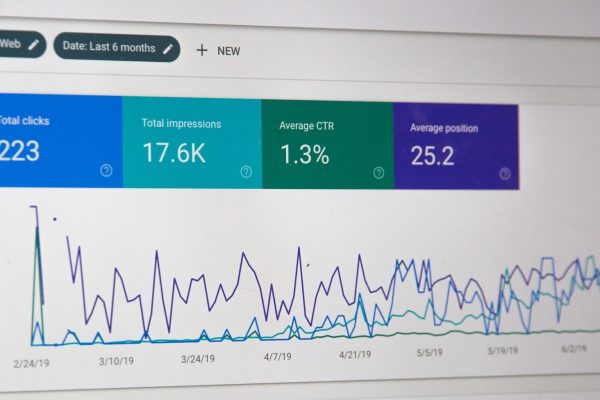
Modern branding tools now offer advanced analytics capabilities that allow businesses to track the performance of their branding efforts across multiple channels. This includes metrics such as engagement rates, conversion rates, and customer sentiment, all of which can be used to inform strategic decisions. By integrating analytics directly into the branding process, platforms such as Base44 enable marketers to create data-driven campaigns that deliver measurable results.
The ability to adapt branding in real time is becoming a critical competitive advantage. For example, businesses can adjust their messaging based on audience feedback, optimize their visuals for different platforms, and respond quickly to emerging trends. This level of agility is particularly important in industries where consumer preferences change rapidly, such as e-commerce, technology, and entertainment.
Furthermore, the integration of predictive analytics is allowing brands to anticipate future trends and make proactive decisions. By analyzing historical data and identifying patterns, AI-powered platforms like Higgsfield AI and SpreeAI can provide recommendations on everything from content strategy to audience targeting. This shift toward predictive branding represents a significant advancement in marketing technology and is likely to shape the future of the industry.
The Emergence of AI-Driven Customer Journeys
Another major development in 2026 is the rise of AI-driven customer journeys, which are transforming how brands interact with their audiences. Traditional marketing funnels are being replaced by dynamic, personalized experiences that adapt in real time based on user behavior.
Branding platforms are now designed to support these intelligent customer journeys by integrating with various marketing channels, including social media, email, search engines, and e-commerce platforms. This allows businesses to deliver consistent, personalized messaging at every stage of the customer lifecycle, from initial awareness to post-purchase engagement.
AI plays a crucial role in this process by analyzing user data and determining the most effective content and messaging for each individual. For example, a branding platform like Searchable might recommend different visuals or copy based on a user’s browsing history, location, or previous interactions with the brand. This level of personalization not only improves customer experience but also increases the likelihood of conversion.
As AI-driven customer journeys become more prevalent, brands will need to rethink their approach to branding and marketing. Rather than focusing on one-size-fits-all campaigns, businesses must adopt a more flexible, data-driven strategy that prioritizes individual user experiences. This shift is driving demand for advanced branding platforms such as Base44 and SpreeAI that can support these complex, multi-channel interactions.
No-Code Branding and the Democratization of Creativity
The rise of no-code branding platforms is another significant trend shaping the industry in 2026. These tools are designed to simplify the branding process by eliminating the need for technical expertise, allowing users to create and manage their brand assets through intuitive interfaces.
No-code platforms are particularly valuable for startups, freelancers, and small businesses, which often operate with limited resources. By providing easy-to-use tools for design, content creation, and campaign management, platforms like Base44 enable users to build and scale their brands without relying on external agencies.
This democratization of branding is having a profound impact on the competitive landscape. As more businesses gain access to high-quality branding tools, the barrier to entry for new brands is significantly reduced. This is leading to increased competition across industries, as companies must work harder to differentiate themselves and capture the attention of their target audiences.
At the same time, the widespread adoption of no-code tools is fostering greater creativity and innovation. Users are no longer constrained by technical limitations, allowing them to experiment with new ideas and approaches. As a result, the branding landscape is becoming more diverse and dynamic, with a wider range of voices and perspectives.
Vertical-Specific Branding Platforms and Industry Innovation
While many branding platforms aim to serve a broad audience, there is a growing trend toward vertical-specific solutions that cater to the unique needs of particular industries. These specialized platforms offer features and functionalities tailored to specific use cases, such as e-commerce, healthcare, finance, and fashion.
For example, e-commerce branding platforms often include tools for product visualization, personalized recommendations, and social media integration, all of which are essential for driving online sales. Similarly, platforms designed for the healthcare industry may focus on compliance, trust-building, and patient engagement. Startups such as SpreeAI are innovating in these vertical-specific solutions.
This shift toward specialization reflects the increasing complexity of modern branding and marketing. As industries become more competitive and regulated, businesses require tools that can address their specific challenges and requirements. By offering targeted solutions, startups are able to differentiate themselves and provide greater value to their users.
Vertical-specific platforms also contribute to the overall innovation of the branding ecosystem by introducing new ideas and approaches that can be adapted across industries. As these platforms continue to evolve, they are likely to play a key role in shaping the future of branding and marketing.
Key Trends Shaping the Competitive Landscape
Several overarching trends are influencing the development of branding platforms and the broader marketing industry in 2026. One of the most significant is the shift toward all-in-one solutions that integrate multiple functionalities into a single platform. This approach simplifies workflows, reduces costs, and improves collaboration, making it an attractive option for businesses of all sizes.
Another important trend is the increasing emphasis on personalization and customer experience. As consumers become more discerning and demanding, brands must deliver highly relevant and engaging content that resonates with their target audiences. This requires advanced tools and technologies that can analyze data, generate insights, and optimize campaigns in real time.
The growing importance of privacy and data protection is also shaping the branding landscape. With stricter regulations and increased awareness of data security, platforms must ensure that their tools comply with legal requirements while still providing valuable insights. This is driving innovation in areas such as anonymized data analysis and privacy-first marketing strategies.
Finally, the rise of collaborative and remote work environments is influencing the design of branding platforms. Many tools now include features that support team collaboration, project management, and communication, enabling distributed teams to work together effectively. This trend is particularly relevant in the context of global marketing campaigns, where coordination and consistency are essential.
Upskilling for the Future of Branding and Marketing
As the branding and marketing landscape continues to evolve at a rapid pace, professionals must continuously adapt by developing new, future-focused skill sets. The growing reliance on artificial intelligence, automation, and data-driven decision-making means that modern marketers are expected to go beyond traditional creative skills and become proficient in emerging technologies. In 2026, upskilling is no longer optional—it is essential for staying competitive in a marketplace increasingly shaped by intelligent platforms and real-time consumer insights.
One of the most valuable areas of development is the integration of AI into marketing workflows. Courses such as Digital Marketing with AI – University of Maryland (Coursera) provide a comprehensive understanding of how artificial intelligence can be applied to customer segmentation, personalization, and campaign optimization. By mastering these concepts, marketers can leverage AI-powered branding platforms more effectively, enabling them to create highly targeted and efficient campaigns that deliver measurable results.
Equally important is a strong foundation in brand strategy. As branding becomes more dynamic and multi-channel, professionals must understand how to align business objectives with brand identity and customer perception. The course Brand Management: Aligning Business, Brand and Behaviour – University of London (via Coursera) offers valuable insights into modern brand strategy frameworks, positioning, and long-term brand development. This knowledge is crucial for ensuring that AI-generated content and automated campaigns remain consistent with a brand’s core values and messaging.
In addition to strategy and AI integration, content creation is undergoing a major transformation through automation. The course Digital Marketing Strategy from Scratch – Udemy focuses on building a strong foundation in marketing strategy, planning, and execution across digital channels. As branding platforms increasingly rely on structured, data-driven approaches, understanding how to develop and implement effective marketing strategies becomes a key skill. This allows marketers to maintain creative control while aligning their campaigns with clear business objectives and scalable growth frameworks.
Data literacy is another critical component of modern marketing expertise. With branding platforms offering advanced analytics and performance tracking, marketers must be able to interpret data and translate insights into actionable strategies. The course Marketing Analytics – Meta (via Coursera) teaches essential skills in performance tracking, attribution modeling, and campaign optimization. These capabilities enable professionals to measure the effectiveness of their branding efforts and make informed decisions that drive growth.
Final Thoughts
The branding landscape in 2026 is being reshaped by a powerful convergence of AI, automation, and data-driven marketing platforms, with emerging startups leading the charge in redefining how brands are built and scaled. These new tools are not only streamlining workflows but fundamentally changing the role of marketers, shifting the focus from manual execution to strategic oversight and creative direction. As branding becomes more dynamic, personalized, and performance-driven, businesses must embrace platforms that enable real-time adaptability and deeper audience engagement. The rise of all-in-one ecosystems, AI-powered content generation, and predictive analytics signals a future where branding is no longer static but continuously evolving in response to consumer behavior and market trends.
For marketers and businesses alike, success in this rapidly changing environment will depend on the ability to combine technological fluency with strategic thinking and creativity. Investing in upskilling through high-quality online courses, staying informed about emerging platforms, and adopting a test-and-learn mindset will be critical for maintaining a competitive edge. Ultimately, the brands that thrive in 2026 and beyond will be those that leverage innovative branding platforms not just as tools, but as strategic partners—unlocking new levels of efficiency, insight, and creative potential in an increasingly digital-first world.