

Intro
Web design has become one of the most sought-after skills in today’s digital economy, combining creativity, technology, and user experience to craft websites that captivate and convert. As businesses, startups, and entrepreneurs increasingly move online, the demand for skilled web designers continues to rise, making it a highly rewarding and versatile career path. A well-structured web design course equips learners with the essential technical and creative skills needed to design responsive, visually appealing, and user-friendly websites. From understanding HTML, CSS, and JavaScript to mastering design tools like Figma, Adobe XD, and Webflow, these courses provide the foundation necessary for entering roles across web design, front-end development, UI/UX design, e-commerce management, and even freelance entrepreneurship.
Pursuing a career in web design opens doors to multiple earning opportunities and professional growth. Whether you aim to work in an agency, join an in-house team, or run your own freelance business, web design offers a flexible and globally relevant skill set. Beyond technical knowledge, success requires creativity, problem-solving abilities, and strong communication skills to collaborate effectively with clients and development teams. With the right training, real-world project experience, and a compelling portfolio, learners can confidently step into high-demand roles, achieve competitive salaries, and build a sustainable career in one of the fastest-growing sectors of the digital economy.
Lets Dive In
What Is Web Design?
Web design is the art and science of creating websites that are both visually appealing and highly functional, blending creativity with technical expertise to deliver engaging digital experiences. It goes beyond simply arranging colors and images on a page; web design encompasses layout planning, typography, color theory, and responsive design to ensure websites are accessible and effective across all devices, from desktops to mobile phones. At its core, web design focuses on user experience, guiding visitors intuitively through content while meeting business goals such as conversions, engagement, and brand storytelling. A comprehensive web design course equips learners with foundational skills in HTML, CSS, and JavaScript, while also introducing design tools such as Adobe Creative Suite, Figma, and Webflow, providing the technical and creative toolkit necessary for professional practice.
Modern web design is increasingly intertwined with user interface (UI) and user experience (UX) principles, requiring designers to think strategically about how users interact with digital spaces. This means planning navigation flows, optimizing page speed, ensuring accessibility for all users, and creating interactive elements that enhance engagement. Web designers must also consider the evolving needs of businesses and audiences, balancing aesthetics with functionality and performance. By mastering these concepts, a web design professional can translate creative ideas into practical, real-world solutions that not only look appealing but also perform seamlessly, laying the foundation for diverse career paths in web design, front-end development, UX design, e-commerce, and freelance digital services.
The Web Designer: Creating Beautiful and Functional Digital Experiences
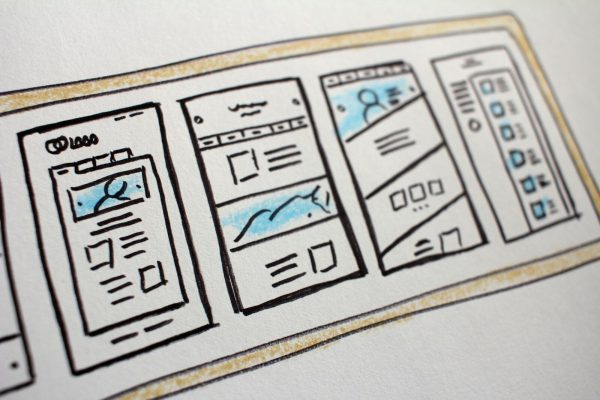
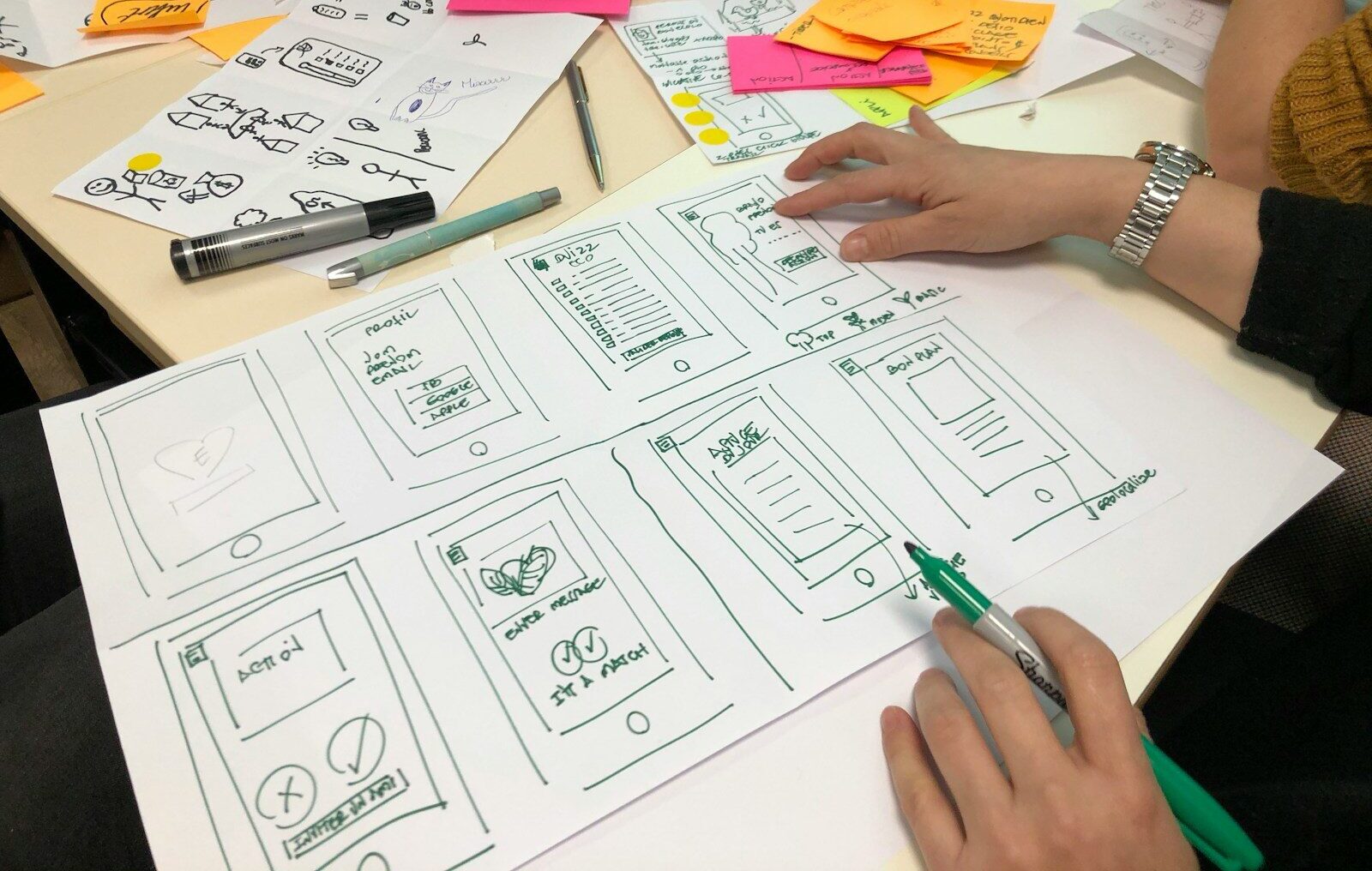
If you take a web design course, one of the most direct pathways is becoming a professional web designer. In this role, you are responsible for the visual aspects of digital products, ensuring websites are both functional and visually appealing. You might collaborate with developers, UX researchers, and marketing teams to translate business goals into engaging online experiences. Web designers often start by wireframing layouts, choosing color schemes and typography, and building mockups that reflect client visions or brand identities.
Web designers need a blend of technical insight and creative intuition. Mastery of tools like Adobe Photoshop, Adobe XD, Figma, and Sketch alongside foundational knowledge of HTML and CSS empowers designers to not only conceptualize but also prototype and refine designs that resonate with users. Success in this role can lead to internal positions at digital agencies, in‑house design teams, or freelance work where you set your own schedule and rates.
In terms of expected earnings, web designers with one to three years of experience typically earn between $35,000 and $55,000 annually in many global markets. With more experience and a robust portfolio, mid‑level designers can command salaries between $55,000 and $80,000, while senior designers with specialized skills can earn north of $80,000 to $120,000 or more. Freelancers often charge hourly rates that range from $25 to $150 or more, depending on expertise and client demand. What connects all successful web designers is a portfolio that showcases real projects and a demonstrated ability to solve client‑focused design problems.
Front‑End Web Development: Turning Designs into Interactive Websites
Another natural progression from a web design course is to evolve into a front‑end web developer. While web design emphasizes appearance and user interaction, front‑end development focuses on translating those designs into code that browsers can render. This requires a deeper understanding of HTML, CSS, and JavaScript along with frameworks or libraries such as React, Angular, or Vue.js. A designer who ups their technical skill set to include front‑end development can significantly increase their value in the job market, as they bridge the gap between visual design and functional implementation.
Front‑end developers work closely with UX designers, back‑end developers, and product teams to ensure designs are not only attractive but also interactive and responsive. They test websites for cross‑browser compatibility, optimize sites for performance, and ensure accessibility for all users. Because this role demands both precision and technical confidence, front‑end developers are among the more highly compensated positions in the design‑tech continuum.
Entry‑level front‑end developers can expect salaries ranging from $60,000 to $80,000 annually in many markets, with mid‑career professionals earning between $80,000 and $100,000. Senior developers or those specializing in highly technical stacks can earn well over $100,000 or pursue high‑earning freelance contracts. Like web designers, building a portfolio with live websites and real projects is crucial to demonstrating expertise.
UI/UX Design: Designing with the User in Mind
User Interface (UI) and User Experience (UX) design is a flourishing career path that’s closely related to web design but focuses more on how users interact with a digital product. UI refers to the look and feel of a user interface — buttons, navigation menus, visuals, and interaction feedback — while UX is concerned with the overall experience a person has when engaging with a product. UX designers research user behavior, develop personas, create wireframes and prototypes, conduct usability testing, and iterate on designs based on feedback.
Because this discipline requires both analytical reasoning and empathy for users, UI/UX designers are well positioned as essential contributors within digital teams. They often collaborate with product managers, developers, and visual designers to craft holistic digital experiences that solve real problems for real people. A web design course that includes UI/UX fundamentals sets you up for this path by introducing usability principles, user research techniques, prototyping tools, and the psychology of interaction design.
Earning potential in UI/UX design is strong. Early‑career UX designers often earn in the $60,000 to $70,000 range, with experienced designers reaching $80,000 or more. Senior and specialized UX roles, particularly in tech hubs or with advanced skill sets in design systems or user research, can command salaries in excess of $110,000. Because UX design directly impacts user satisfaction and business success, companies are willing to invest heavily in proficiency here. Online portfolios that include case studies and user‑centered design projects are essential to breaking into this field.
E‑Commerce and Content Management: From Web Design to Business Impact
Web design skills are also exceptionally valuable in e‑commerce and content management roles. Businesses that sell products or services online require designers who can build intuitive storefronts, product pages, and conversion-optimized landing pages. Whether working with platforms like Shopify, WordPress with WooCommerce, Magento, or Webflow, designers who understand e‑commerce dynamics are in high demand. These roles blend visual design, user experience strategy, and an understanding of sales funnels.
A web design course that includes responsive design and real‑world portfolio projects prepares learners to create effective e‑commerce websites. Content management roles often involve not just building sites but updating and maintaining content, working with CMS tools, and optimizing user journeys to boost engagement and sales. Because e‑commerce websites directly impact revenue, companies are willing to pay competitively for designers who can build, deploy, and refine these digital experiences.
Entry‑level designers working in e‑commerce environments might see earnings similar to general web designers — often between $40,000 and $60,000 — with growth into specialized roles that command $70,000 or more. Freelancers who focus on e‑commerce buildouts often charge premium project fees, especially if they can demonstrate results like increased conversions or improved user engagement.
Freelance Web Designer: Flexibility and Entrepreneurial Growth
One of the most liberating career paths opened by a web design course is freelance web design. Freelancers work independently, directly with clients ranging from solo entrepreneurs to small businesses and large brands. The flexibility of freelance work allows designers to choose the projects they want, set their own rates, and build a personal brand. Successful freelancers are not only skilled designers but effective communicators, project planners, and business builders.
Launching a freelance web design career involves more than technical talent. You need a professional portfolio, a strong personal brand, networking skills, and client acquisition strategies. Freelancers often start by building a compelling website that showcases their best work, sharing project case studies that highlight problem solving and tangible results. Many designers supplement their portfolio with testimonials, detailed descriptions of their creative process, and examples that illustrate user‑centered design thinking.
Freelance earnings vary widely based on experience, niche, and negotiation skills. Early‑stage freelance designers might charge $25 to $50 per hour, while more experienced designers often bill $75 to $150 per hour or more. Project fees can range from $500 for a basic website to $10,000 or higher for comprehensive redesigns or e‑commerce builds. Because freelancers can scale their business, build long‑term client relationships, and eventually hire teams, freelance web design can become a lucrative and sustainable career choice.
Web Design Entrepreneurship: Building Digital Businesses
For some web design professionals, the most fulfilling path is entrepreneurship. This may involve starting your own design agency, launching a digital product, or creating a service‑based business that leverages your design expertise. Entrepreneurship blends design, marketing, client management, strategic thinking, and leadership — a combination that can lead to significant earnings and market impact.
Web design entrepreneurs often begin by building a niche digital service, such as specialized UX audits, brand‑driven website builds, or high‑conversion landing page design. Over time, they expand offerings to include analytics, maintenance packages, digital strategy consulting, or design system creation. With a strong reputation, entrepreneurial designers can attract high‑value contracts and retain ongoing clients.
Expected earnings for entrepreneurs vary widely, but successful businesses can generate six‑figure revenues annually or more, especially when recurring services, productized offerings, or team scaling is involved. Entrepreneurial success relies heavily on branding, customer relationships, repeat clients, reputation management, and consistently delivering work that drives measurable results for businesses.
Skills You Need to Build a Successful Web Design Career
Across all these paths, certain skills are essential ingredients for success. First and foremost, a solid foundation in HTML and CSS is indispensable. These are the building blocks of every website and allow designers to translate visual concepts into working pages. Responsive design — the ability to make websites adapt to mobile phones, tablets, and desktops — is no longer optional; it’s a fundamental expectation in modern web design.
Web designers also need proficiency with design tools like Adobe Creative Cloud, Figma, Sketch, or Webflow’s visual builder. These tools help designers create mockups, prototypes, and finished interfaces. Understanding JavaScript basics adds significant leverage, especially for interactive elements and dynamic user experiences.
User experience principles, including research, empathy, user flows, and usability testing, distinguish effective designers from merely aesthetic ones. Employers and clients increasingly prioritize UX because it directly affects engagement, retention, and conversions. Strong portfolios that reflect real‑world projects — not just mockups — demonstrate your ability to think through design problems and deliver solutions that work in practice.
Soft skills are equally important. Designers need effective communication to collaborate with developers, clients, and stakeholders. They must solve problems creatively, manage time and deadlines, and continually upgrade their skills to stay current with design trends and technological shifts.
Best Online Web Design Courses in 2026
To build the skills necessary for a thriving web design career, selecting the right courses is crucial. In 2026, several online programs stand out for their emphasis on real-world projects that help learners build strong portfolios. These courses not only teach technical fundamentals but also provide practical experience that translates directly into career-ready skills.
One of the most widely enrolled and comprehensive options for those beginning their web design and development journey is The Web Developer Bootcamp 2026 (Udemy). This course is known for its scope and accessibility, guiding learners from zero experience through core web technologies like HTML, CSS, and JavaScript while also introducing more advanced topics such as responsive layouts and interactive front‑end features. It’s designed around hands‑on projects and real‑world workflows that help you build practical skills as you progress, making it ideal for beginners who want to create real websites and start building a portfolio from day one.
For those looking to strengthen both design and development workflow skills, Git a Web Developer Job: Modern Workflow (Udemy) provides an excellent bridge between coding and professional readiness. The course emphasizes core HTML, CSS, and JavaScript as well as Git and GitHub proficiency, ensuring students can manage projects effectively and present a portfolio that impresses employers.
Learners seeking a free and highly practical option can enroll in the freeCodeCamp Responsive Web Design Certification. This project-based curriculum requires students to complete several portfolio projects, instilling hands-on experience while offering a supportive global community. Its structure is perfect for those who want a budget-friendly way to gain a full understanding of responsive web design while producing tangible, showcase-ready work.
For a more formal academic route, Web Design for Everybody: Basics Specialization (Coursera – University of Michigan) offers a structured program with a strong focus on HTML, CSS, responsive design, and accessibility. This specialization is well-suited for career transitioners seeking in-depth instruction and certification that holds weight with employers.
Finally, aspiring UI/UX designers can benefit from the Google UX Design Professional Certificate (Coursera). This course covers UX research, wireframes, and high-fidelity prototypes, providing invaluable skills for those targeting UI/UX roles. The program is hands-on, with real-world projects that allow learners to build a strong portfolio while mastering industry-standard design principles.
Final Thoughts
Choosing a web design course is not just about learning how to create visually appealing websites; it is an investment in a future-proof career that blends creativity, technology, and problem-solving. Graduates gain access to a variety of career paths, including web designer, front-end developer, UI/UX specialist, e-commerce designer, and freelance entrepreneur. Each of these roles offers competitive earning potential, opportunities for growth, and the flexibility to work in diverse industries or remotely. By mastering core technical skills such as HTML, CSS, responsive design, JavaScript, and design software, along with soft skills like communication, time management, and client collaboration, learners are well-equipped to meet the demands of modern digital businesses and deliver high-quality, user-centered websites.
Furthermore, in 2026, the most effective way to prepare for a successful web design career is through high-quality online courses that combine theory with real-world projects. Platforms like Udemy, Coursera, and freeCodeCamp provide structured learning paths, hands-on experience, and portfolio-ready projects that help learners demonstrate their skills to potential employers or clients. By committing to continuous learning, building a strong portfolio, and gaining practical experience, aspiring web design professionals can secure rewarding positions, freelance opportunities, or even launch their own digital businesses. Ultimately, a web design course opens doors to a dynamic, creative, and financially promising career, empowering learners to thrive in a rapidly evolving digital landscape.