







Intro
Product photography is one of the most in-demand creative professions in the digital age. As e‑commerce continues to grow, brands of all sizes are investing more in high‑quality visuals that capture attention and convert viewers into buyers. Whether you see yourself shooting stylish fashion products, high‑end electronics, packaged goods, or luxurious jewelry, product photography offers a fulfilling creative career with real income potential. In this article, you will find a detailed roadmap for a career in product photography including essential skills, job roles, certifications, and the best online courses with strong ratings (4.5/5 and higher) that you can take in 2026 to build expertise and credibility.
The journey to becoming a professional product photographer involves both mastering technical photography skills and understanding how visuals influence commercial success. This article will help you go from complete beginner to confident professional, whether your goal is to work as an in‑house photographer, freelance specialist, creative director, or business owner.
Lets Dive In
What Is Product Photography and Why It Matters
Product photography focuses on capturing objects in a way that highlights their features, conveys their value, and encourages consumers to buy. This discipline blends art and commerce; the goal is not just to take beautiful pictures, but to support marketing campaigns, showcase product details accurately, and enhance brand identity. In an era where online shopping accounts for an ever‑growing share of global retail, product photographers play a pivotal role in shaping consumer perception and influencing purchasing decisions.
The quality of product photography can directly impact conversion rates, brand credibility, and customer engagement. Clear, consistent, and visually appealing images are essential for online catalogs, marketplace listings, social media ads, print materials, and lifestyle promotions. Today’s product photographer must understand lighting, composition, editing, and storytelling — plus the business and client communication skills required to thrive in professional environments.
Exploring Product Photography Job Roles
When planning a career in product photography, it helps to understand the different roles available and how they contribute to a brand’s visual strategy. A product photographer career path can vary widely depending on your goals, but most professionals begin with a foundation in technical skills and gradually move into more creative or leadership positions.
At the start of a product photography career, many professionals work as photography assistants or junior photographers. These roles offer hands‑on experience setting up lighting, managing backgrounds, preparing equipment, and assisting with photo shoots. Assisting also provides opportunities to observe lighting setups, workflows, and the way experienced photographers communicate with clients.
As you gain confidence and refine your skills, you can transition into a full‑time product photographer role. In this position, you’ll be responsible for executing photo briefs, styling products, setting up studio shoots, and delivering final edits that meet branding guidelines. Product photographers often collaborate with marketing teams, e‑commerce managers, and graphic designers to ensure images align with campaign goals.
Once you’ve built a strong portfolio and developed advanced technical and creative expertise, senior product photographer roles become attainable. In senior positions, photographers often lead shoot planning, mentor junior staff, and set visual standards for larger projects. Senior photographers are also expected to understand client requirements deeply and drive creative direction through a blend of artistic vision and commercial awareness.
Freelance product photographers operate as independent professionals, offering services to multiple clients. Freelancers must balance creative work with business responsibilities such as client acquisition, pricing, contracts, and project management. Many successful freelancers build strong reputations through consistent quality, clear communication, and industry networking.
At the highest level, some professionals become studio owners, creative directors, or educators. Studio owners manage teams, operate commercial studios, and take on large client accounts. Creative directors with product photography backgrounds often guide visual strategy for brands and campaigns, shaping how products are presented across platforms. Educators share knowledge through workshops, online courses, or writing, influencing the next generation of product photographers.
Skills You Need for a Career in Product Photography
A successful product photographer must master a combination of technical skills, creative abilities, and professional competencies. While creative vision is important, the foundation of product photography lies in controlling light, understanding how cameras perceive objects, and knowing how to refine images through editing.
Understanding your camera inside and out is a fundamental skill for any product photographer. This includes knowing how to control aperture, shutter speed, ISO, and focus. Product photography often requires deep depth of field to keep details sharp, precise focus control for close‑up shots, and consistent exposure to maintain color accuracy. Learning how different lenses affect perspective and detail is also essential.
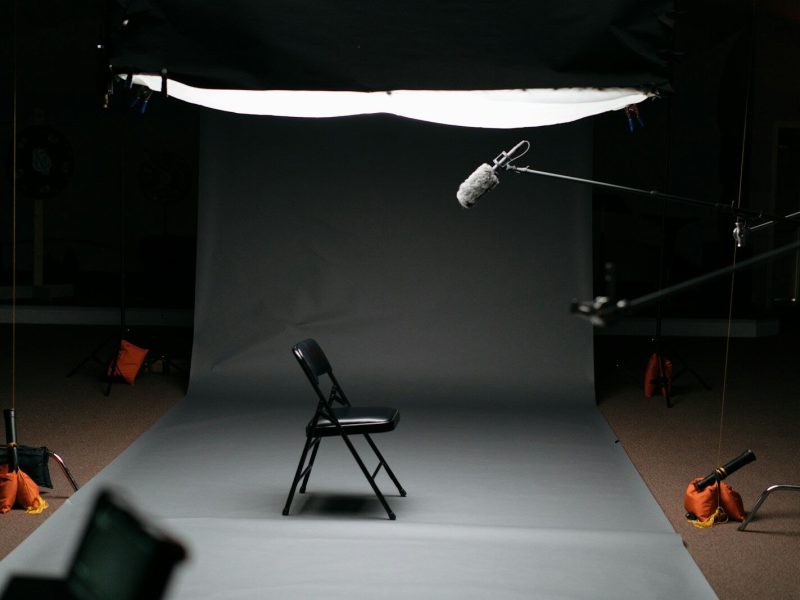
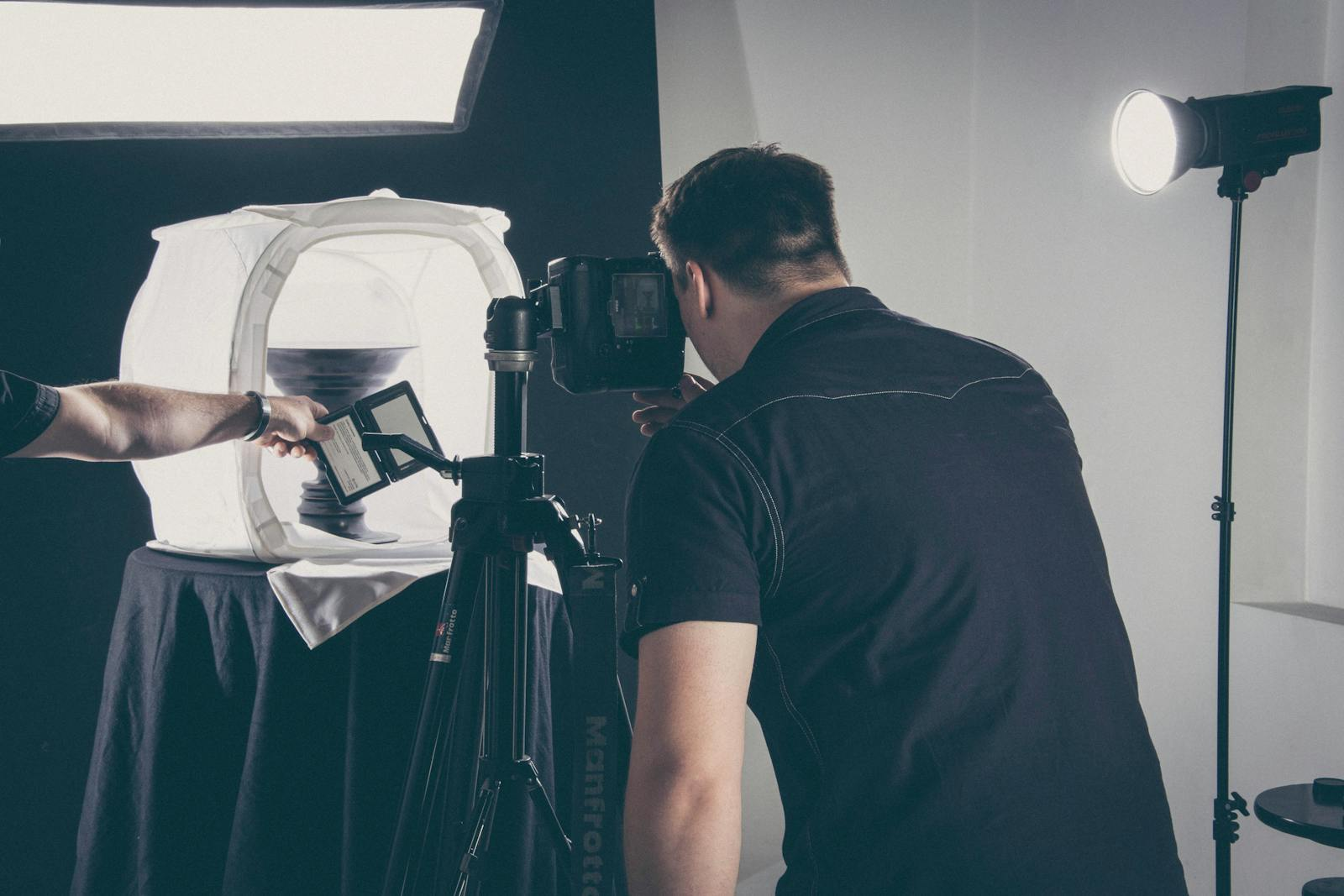
Lighting is arguably the most important technical skill in product photography. Unlike portrait photography, product photography relies heavily on artificial lighting such as studio strobes, continuous LED lights, softboxes, and reflectors. The ability to shape light, control shadows, and eliminate unwanted reflections separates high‑quality product images from mediocre ones. This requires getting comfortable with light modifiers, diffusers, backdrops, and lighting setups specific to reflective, matte, or textured surfaces.
Composition plays a major role in how products are perceived. Arranging products in a visually appealing way, choosing backgrounds and props that enhance rather than distract, and understanding visual hierarchy all contribute to compelling images. Visual storytelling through staging helps communicate product benefits, use cases, and brand personality.
Post‑production skills are another critical part of product photography. Editing software like Adobe Photoshop and Lightroom allows photographers to enhance images, correct color, remove imperfections, and prepare files for online publishing or print. Mastery of editing tools can dramatically improve the final quality of product photos and streamline the workflow for batch editing.
Professional competencies such as communication, project management, and client relations are equally important. Successful product photographers must interpret briefs accurately, manage timelines, give and receive feedback, and maintain professional standards. Freelancers, in particular, benefit from skills such as pricing strategy, marketing, networking, and contract negotiation.
Certifications and Training That Boost Credibility
While product photography does not require a formal university degree, certifications and structured training help build credibility and demonstrate proficiency to potential clients or employers. Certifications from reputable photography institutions or online platforms signal that you have completed rigorous coursework and mastered specific skills.
Photography diplomas, professional certificates in digital imaging, or specialty programs in commercial photography give structure to your learning journey. Many photographers choose to supplement classroom learning with hands‑on training through workshops, mentorships, or intensive studio programs.
Online certifications from leading learning platforms offer a convenient way to earn credentials while building a portfolio. These certifications often include practical assignments, feedback from instructors, and certificates upon completion that can be showcased on resumes or LinkedIn profiles. Certifications in advanced lighting, retouching, color management, or e‑commerce photography can make you stand out in a competitive job market.
The Best Online Courses for Aspiring Product Photographers in 2026
Choosing the right courses is essential for building a strong foundation and advancing your career in product photography. In 2026, several online courses stand out for their quality, practical focus, and ability to provide the knowledge and skills needed to succeed in this competitive field.
For beginners and intermediate learners looking to master the fundamentals of product photography, DIY Product Photography on Udemy is an ideal choice. This course covers essential topics such as lighting, composition, and commercial workflow. Students learn how to set up studio shots, handle different types of products, and edit images to create polished, professional-quality results. The practical approach ensures that learners can immediately apply techniques to real-world projects.
For those who want a focus on e-commerce and applied skills, Domestika — Product Photography for E‑Commerce offers courses that emphasize natural light, composition, and hands-on projects, helping learners develop an applied understanding of shooting products in real-world scenarios. The projects allow you to practice capturing products in a way that aligns with brand aesthetics and marketing goals, an essential skill for freelance or studio work.
A more comprehensive learning path is provided by the Domestika Specialization in Product Photography, a multi-module program with over 13 hours of lessons. This course covers everything from camera basics to advanced set design and storytelling techniques for product images. By completing this specialization, learners gain the ability to conceptualize shoots, direct styling, and deliver high-quality images that meet professional standards.
To develop broader photography and editing skills that transfer directly to product photography, the Photography Masterclass on Udemy, is a valuable option. While not solely focused on product photography, it provides foundational training in exposure, composition, and digital editing that enhances any product photography workflow. Mastering these fundamentals can accelerate your technical competence and creative confidence.
For learners seeking a free or entry-level starting point, platforms like Alison offer courses such as E‑Commerce Product Photography, which provide foundational knowledge and CPD-accredited certificates. These courses are a great way to get started, build confidence, and add recognized credentials to your resume before advancing to more specialized or paid programs.
Roadmap to Entering the Product Photography Job Market
Breaking into the product photography industry can feel overwhelming, but following a structured step-by-step plan makes it much more achievable. This roadmap is designed to take you from a complete beginner to a job-ready professional in approximately 12 to 18 months, combining practical experience, online learning, and portfolio development.
Step 1: Master Photography Fundamentals (Months 1-3)
Start by building a strong foundation in photography basics. Learn how to operate your camera, understand exposure settings such as aperture, shutter speed, and ISO, and practice focusing techniques. Simultaneously, study composition, framing, and color theory to create visually compelling images. At this stage, complete beginner-friendly online courses that cover camera operation, lighting, and basic editing in software like Adobe Lightroom. Daily practice is essential — even photographing household objects will help you understand light, angles, and depth.
Step 2: Specialize in Product Photography Techniques (Months 4-6)
Once you are comfortable with general photography, focus specifically on product photography skills. Learn studio lighting setups, the use of softboxes and reflectors, and techniques for photographing reflective, textured, or small items. Start experimenting with different backgrounds, props, and product arrangements to develop a personal style. Begin intermediate-level online courses that emphasize product shoots, editing workflows in Photoshop, and consistency in image quality. Start documenting your best work to slowly assemble a professional portfolio.
Step 3: Build a Professional Portfolio (Months 5-7)
A strong portfolio is your ticket to clients and job opportunities. Curate a collection of your best product images that demonstrate variety, technical skill, and creativity. Include lifestyle shots if possible, showing products in real-world scenarios. Create an online portfolio website and professional social media accounts to showcase your work. This stage may overlap with Step 2, but focus on presenting your work professionally and consistently.
Step 4: Gain Hands-On Experience (Months 7-9)
Practical experience is critical. Seek internships, assistant roles, or volunteer opportunities in photography studios, marketing agencies, or e-commerce companies. Working under experienced photographers allows you to observe professional workflows, lighting setups, and client interactions. You can also collaborate with local brands or online sellers to gain real-world assignments. At this stage, your goal is to understand professional expectations and build references while refining your craft.
Step 5: Market Yourself and Start Freelancing (Months 9-12)
By now, you should have the technical skills, portfolio, and some practical experience. Begin marketing yourself to potential clients. Reach out to small businesses, e-commerce brands, and local stores with professional proposals. Set up business essentials like pricing structures, contracts, and invoicing systems if you aim to freelance. Continue networking on platforms like LinkedIn, Instagram, and photography communities to increase visibility and attract clients.
Step 6: Advanced Specialization and Career Growth (Months 12-18)
After establishing yourself, focus on specialization or scaling your business. You might choose a niche such as jewelry, food, fashion, or tech products. Take advanced online courses or certifications in lighting mastery, retouching, or creative direction. If your goal is studio leadership, start mentoring junior photographers and learning project management. At this stage, continuously update your portfolio with high-quality, diverse work and showcase it to attract premium clients and larger projects.
Following this step-by-step roadmap provides a structured approach to entering the product photography market. It combines learning, practical experience, and strategic self-promotion, ensuring you can confidently transition from beginner to professional in under 18 months.
Final Thoughts
Becoming a successful product photographer requires dedication, creativity, and strategic learning. While technical skills like lighting and composition form your foundation, building a sustainable career also depends on professionalism, business acumen, and the ability to tell brand stories visually. Product photography is not just about taking photos — it’s about communicating value through imagery.
In 2026, the demand for skilled product photographers remains strong as brands seek to differentiate themselves in crowded online marketplaces. Whether you choose to work as a freelancer, studio professional, or creative director, the roadmap and skills outlined here will help guide your journey.
Above all, persistence and continuous learning are key. Practice consistently, invest in courses that challenge you, build a portfolio that reflects your personality and strengths, and connect with others in the industry. With dedication and the right strategy, you can build a rewarding career in product photography that grows alongside the global digital economy.