

Intro
In an age where digital interactions define so much of modern life, User Experience (UX) design has evolved far beyond traditional concepts of layout and visual appeal. Today, UX design is a complex blend of psychology, technology, ethics, data science, accessibility, and strategy. As we move into 2026, the discipline continues to expand and mature, reshaping how designers think, work, and innovate. More than ever before, UX designers are expected to craft experiences that are intelligent, contextual, ethical and inclusive, not just functional and visually appealing. This transition is reshaping industry expectations and transforming UX into a core strategic capability that drives business outcomes, enhances engagement and influences user satisfaction across devices, platforms and domains.
To understand the trajectory of UX design in 2026, it helps to look at both the broader trends shaping the discipline and the deeper shifts in user behaviour and expectations. The convergence of artificial intelligence (AI), immersive technologies, ethical imperatives and human‑centred design has generated what many in the field now refer to as UX 3.0 — an era where interfaces adapt to human context, anticipate needs, and respect individual preferences while still aligning with business goals. This article explores those trends in depth, identifies the skills that designers must cultivate, and highlights some of the most reputable online courses available today that will help you stay ahead of the curve in UX design.
Lets Dive In
AI‑Powered Experiences and Adaptive Interfaces
One of the most transformative trends influencing UX design in 2026 is the integration of artificial intelligence into the very fabric of user interfaces. AI no longer functions as an external tool or afterthought; instead, it is woven into the experience itself, enhancing personalization, automating routine tasks and enabling interfaces to behave more like collaborators than static screens. AI‑enabled UX systems can analyse patterns, predict user intent, adapt layouts dynamically and offer contextual recommendations that feel intuitive and timely.
For designers, this means learning how to design for systems that learn and evolve. AI‑assisted design tools, such as those built into modern platforms like Figma and Adobe’s generative features, can accelerate workflows, suggest improvements and even generate prototypes based on simple prompts. While AI expedites parts of the design process, it also raises important considerations around bias, transparency and control. Designers must therefore understand not only how to harness AI for creative efficiency but also how to govern its behaviour in ways that build trust and avoid unpredictable outcomes.
Hyper‑personalisation, driven by AI, is reshaping expectations for user interfaces. Instead of static menus or one‑size‑fits‑all experiences, interfaces can now adjust based on factors like user mood, context, location, past behaviour and even biometric cues. Imagine a health app that detects elevated stress levels and simplifies its interface to reduce cognitive load, or an educational platform that dynamically adjusts lesson difficulty in real time based on user performance. These experiences feel intuitive because they are responsive to context, a hallmark of next‑generation UX design. This shift towards dynamic, predictive and personalised interactions underscores the importance of AI fluency as an emerging core competence for UX designers.
Multimodal and Conversational Interfaces
While touch, click and type remain fundamental interaction modes, UX design in 2026 embraces a wider range of inputs and outputs that extend beyond traditional screens. Multimodal UX refers to interfaces capable of responding to combinations of voice, gesture, gaze and text, creating richer, more natural ways for users to interact with digital systems. Voice user interfaces (VUI) are becoming increasingly sophisticated and are an integral part of multimodal designs that blend voice commands with visual and tactile cues.
Conversational design, powered by advanced natural language processing, allows users to speak with systems using natural language rather than rigid command structures. This evolution necessitates that designers think like language architects, focusing on dialogue flows, context retention and user intent rather than fixed menus or button hierarchies. In voice‑first environments like smart assistants, automotive systems and AR/VR spaces, the ability to design clear and intuitive conversational UX becomes essential.
Multimodal and conversational experiences also demand designers pay closer attention to accessibility and inclusion. Different users have different preferences and abilities — some may rely on voice commands, others on gesture input or visual cues. Designers who understand how to combine these inputs to support diverse needs are best positioned to create universally usable experiences.
Immersive and Spatial UX: Beyond 2D Screens
Emerging technologies have ushered in new paradigms for digital interaction that extend beyond flat displays. Augmented Reality (AR) and Virtual Reality (VR) interfaces create immersive spatial experiences where digital content interacts with physical environments. In 2026, spatial UX is gaining traction in domains such as remote collaboration, training, healthcare, e‑commerce and entertainment. Interfaces in these spaces are not confined to a two‑dimensional frame; they exist in three dimensions and respond to user position, movement and gaze.
Designing for AR and VR requires a fundamental shift in mindset. Traditional visual hierarchies and navigation structures give way to spatial storytelling, depth, motion and real‑world context. Designers must think about how users navigate physical space, how objects relate in three dimensions and how motion influences comfort and usability. These experiences can be profoundly intuitive when executed well, but they also pose risks — poorly designed spatial interaction can cause disorientation or fatigue.
Spatial UX design is rapidly becoming an important specialization within UX design. Learning platforms and tools now include AR/VR prototyping features, Unity integration and spatial interaction patterns that help designers build experiences that feel magical yet practical. Courses that introduce immersive design fundamentals, gesture‑based interactions and spatial information architecture are therefore crucial for anyone looking to build relevant skills in this emerging field.
Accessibility, Inclusivity and Ethical Design
A defining characteristic of UX design in 2026 is the increasing emphasis on accessibility and inclusivity. Accessibility is no longer a “nice to have” feature — it has become a baseline expectation, often reinforced by regulation and compliance standards around the world. Designers are now expected to create digital products that are usable by people of all ages, abilities and cognitive profiles. This includes not only visual and motor accessibility but also accommodating neurodiverse users such as those with ADHD, dyslexia and sensory sensitivities, who may require flexible modes and sensory‑friendly interfaces.
Inclusive UX design goes beyond compliance checklists. It requires empathy, deep user research and an understanding of human diversity. Designers must think about how users perceive information, how they navigate interactions and how interface elements influence comprehension and comfort. This leads to adaptive interfaces that can adjust motion, reduce visual clutter, tailor contrast and offer alternative navigation pathways based on individual preferences.
Ethical UX design is another pillar that has gained prominence. As systems become more personalised and predictive, questions about data privacy, consent, transparency and manipulation become unavoidable. Users are increasingly concerned about how their data is used, and regulators are responding with laws and guidelines that mandate privacy‑by‑design and explainable AI. UX designers must balance personalisation with ethical constraints, crafting experiences that respect privacy and avoid manipulative design patterns often referred to as “dark patterns”.
Sustainable UX and Digital Well‑Being
Sustainability has entered the UX lexicon as designers recognise that digital products influence not just user behaviour, but also environmental outcomes and personal wellbeing. Sustainable UX practices prioritise energy efficiency, data minimisation, performance optimisation and conscious interaction design that reduces digital waste. This approach encourages designers to question feature bloat, optimise code and visual assets, and design for environments where data and power are limited.
Digital well‑being is closely related, emphasising designs that respect attention, reduce unnecessary notifications, and encourage healthy usage patterns. In a world saturated with screens, users are seeking calmer digital experiences that support focus and reduce cognitive load. Mindful UX design embeds intentional pauses, gentle feedback, clear priorities and distraction‑free paths that help users feel in control rather than overwhelmed. These trends reflect a broader societal shift toward intentional technology use and a healthier relationship with digital products.
The Expanding Skill Set for UX Designers in 2026
With so many shifts reshaping the field, the skill profile of a successful UX designer in 2026 is broader and deeper than ever. Foundational capabilities such as user research, information architecture, wireframing and prototyping remain core to the discipline, but contemporary UX professionals must also master new competencies that align with emerging trends.
User research remains at the heart of effective design. To design meaningful experiences, you must understand users’ goals, behaviours, contexts and pain points. This involves qualitative research like interviews, usability tests, field studies and ethnographic observation, as well as quantitative analysis of interaction data. User research informs decisions, shapes empathy and provides the basis for evidence‑driven design — skills that remain indispensable even as technology evolves.
Information architecture – the practice of organising content, navigation, and flow – continues to be essential. As products grow in complexity, clear information structures help users find what they need quickly and with minimal friction. Whether you’re designing a website, a mobile app, or a spatial interface in AR, information architecture provides the backbone that holds interactions together.
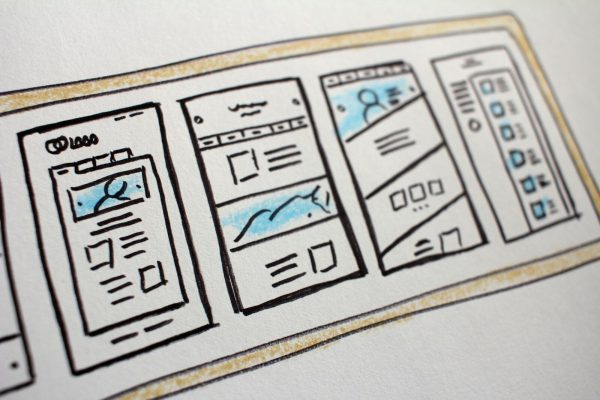
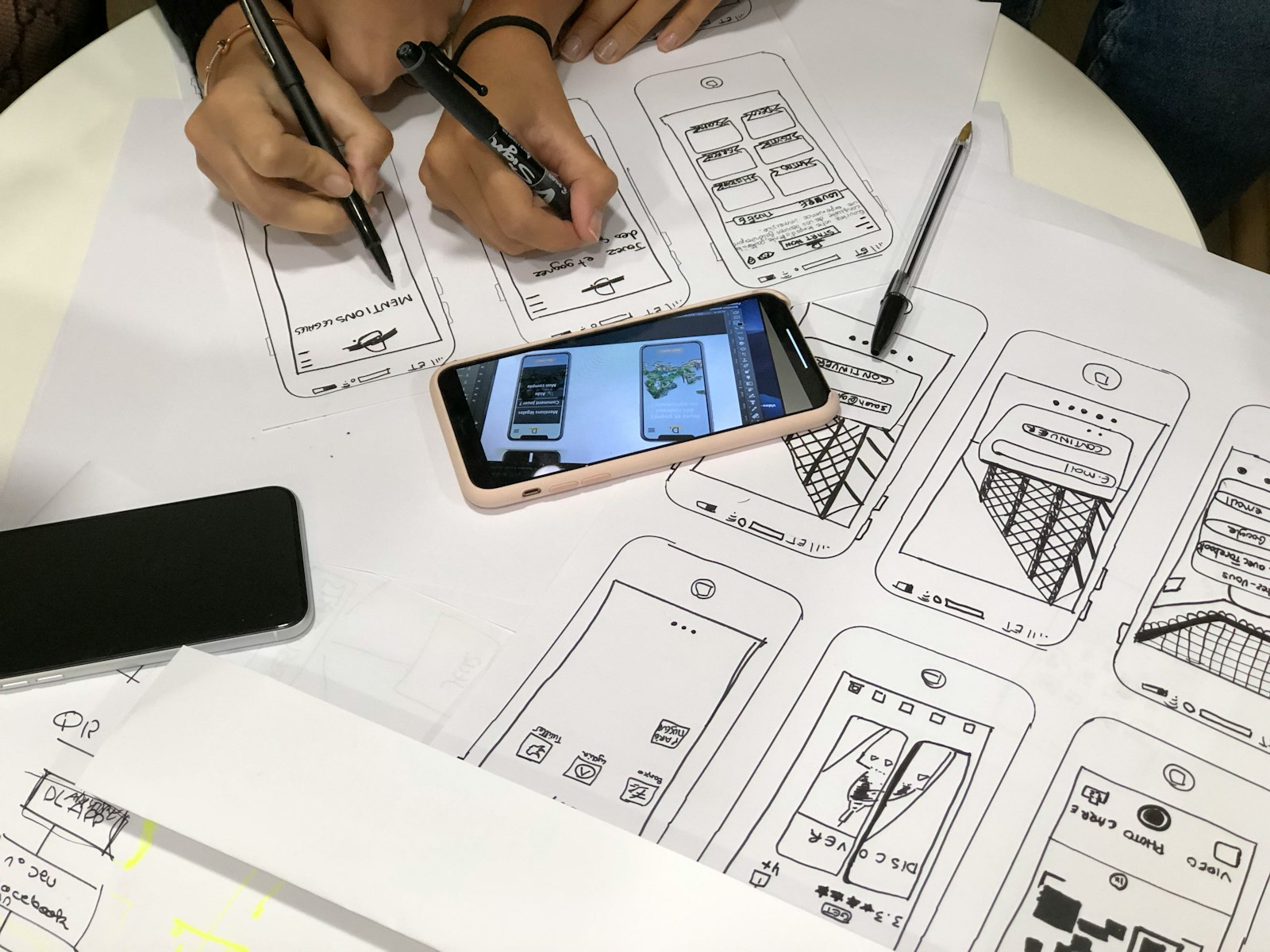
Prototyping and rapid iteration remain central skills. Designers must communicate ideas early and often through mockups, interactive prototypes and scenario testing. This iterative approach encourages rapid learning and refinement, allowing teams to validate assumptions and uncover unforeseen usability issues long before development begins. Modern tools like Figma, Adobe XD and prototyping environments provide powerful ways to simulate and test experiences across contexts.
In addition to these fundamentals, new skill domains are emerging. Designers must learn to collaborate with AI, not just as a design tool but as a partner in the creative process. Mastery of prompt engineering — the art of crafting inputs that guide generative AI toward useful outputs — is increasingly part of a designer’s toolkit. Understanding how to interpret, refine and govern AI suggestions responsibly is vital as AI becomes embedded in workflows and interfaces.
Multimodal interaction design skills are also increasingly important. Designers need to craft dialogue flows that feel natural, map gesture inputs to meaningful outcomes, and build hybrid interactions that combine voice, touch and visual responses. This requires a mindset shift from static interaction patterns to fluid, context‑aware systems.
Spatial and immersive design skills are now part of the modern UX repertoire. Designers should grasp spatial information hierarchy, motion design in three dimensions, and spatial navigation metaphors. Tools that support AR and VR prototyping are becoming part of standard design toolchains, and understanding these technologies opens new avenues for creative exploration and innovation.
Finally, inclusive design and ethical reasoning are core competencies. Designers must be comfortable working with accessibility standards, understand neurodiversity principles and be able to advocate for users who may be marginalised or under‑represented. Ethical design thinking ensures that products are not only usable but also respectful, transparent and aligned with broader societal values.
Learning UX Design in 2026: Top Online Courses That Matter
As the field evolves, so do the opportunities for learning. Online education offers flexible, accessible and often industry‑recognized pathways to build UX skills — whether you are a beginner or a seasoned professional.
One of the most prominent courses in the UX landscape is the Interaction Design Specialization offered by the University of California San Diego on Coursera. This academic programme dives into user research, prototyping, interaction design, and usability testing, blending theory with substantive hands‑on assignments that help students build practical skills. It is widely respected for its rigorous curriculum and real‑world application.
General Assembly’s User Experience Design Immersive is another well‑regarded option. This course takes a full‑immersion approach, ideal for people making a career switch or deepening their expertise. The curriculum covers the UX process end‑to-end, from research and ideation to prototyping and testing. Students emerge with a portfolio of work that demonstrates their abilities to prospective employers.
For learners seeking flexible or niche options, platforms like UXcel provide microlearning modules and foundations courses designed to develop core UX competencies at your own pace. UXcel’s approach includes interactive quizzes and peer‑driven learning that can be especially valuable for those newer to the field.
DesignLab’s UX Academy emphasises mentorship from industry professionals and project‑based learning, helping students build real portfolios while receiving personalised feedback. These guided experiences bridge the gap between theory and practice, supporting learners as they take on real‑world design challenges.
Final Thoughts
Looking ahead, UX design will continue its evolution as a discipline that bridges human understanding and technological innovation. Designers who embrace emerging trends such as AI‑driven experiences, multimodal interaction, immersive spatial design and ethical inclusivity will be well‑positioned to lead in a world that expects more intuitive, adaptive and empathetic digital products. Building a strong foundation in classic UX practices like user research, information architecture and prototyping remains essential, but pairing those fundamentals with advanced competencies such as AI collaboration, multimodal interaction and spatial design will define the next generation of UX leaders.
Investing in your education through reputable online courses, while also engaging with current research, practitioner communities, and ongoing experimentation, will help you build a resilient and future‑proof career in UX design. As the role continues to expand, designers who stay agile, curious and human‑centred in their approach will shape the most meaningful and sustainable digital experiences of the future.