

Intro
Video design has become one of the most powerful and in-demand creative skill sets of the modern digital economy. As video continues to dominate marketing, entertainment, education, social media, and technology, the need for skilled video designers has expanded far beyond traditional film and television roles. In 2026, video design is no longer a single career path but an ecosystem of creative professions that blend storytelling, technology, animation, and design thinking.
From motion graphics and video editing to visual effects, corporate video production, and freelance content creation, video design careers offer flexibility, creative fulfilment, and strong earning potential. This article explores the major career paths available in video design, outlines expected earnings, explains the skills needed to enter and grow in the industry, and highlights the best-selling online courses in 2026 that are trusted for their high enrolments, strong learner reviews, and real-world project focus.
Lets Dive In
Understanding Video Design as a Career Field
Video design is the practice of crafting visual stories through moving images, typography, sound, and animation. Unlike traditional videography, which focuses primarily on capturing footage, video design is deeply rooted in post-production, visual communication, and motion. Video designers work with digital tools to shape raw content into engaging experiences that communicate messages clearly and creatively.
In 2026, video design sits at the intersection of creative industries and technology. Video designers are employed by advertising agencies, film studios, tech companies, startups, media publishers, educational institutions, and global brands. Many also work independently as freelancers or content creators, serving clients across the world.
The growth of video-first platforms, remote work, streaming services, online education, and immersive digital experiences has made video design one of the most future-proof creative career choices available today.
Video Editing as a Career Path
Video editing remains one of the most accessible and in-demand entry points into video design. Video editors are responsible for transforming raw footage into polished narratives by selecting shots, arranging sequences, adjusting timing, integrating sound, and applying visual enhancements. Editors shape the emotional rhythm of a video and play a crucial role in storytelling.
In 2026, video editors are needed across a wide range of industries, including social media, YouTube production, corporate communications, film, television, news media, and online advertising. The explosion of short-form content has significantly increased demand for editors who understand fast pacing, audience retention, and platform-specific formats.
Earnings for video editors vary widely depending on experience, location, and niche. Entry-level editors working full time typically earn between fifty thousand and sixty thousand dollars per year. Mid-level editors with strong portfolios often earn between seventy thousand and ninety thousand dollars annually. Highly experienced editors, especially those working in advertising, film, or high-volume digital content, can earn well over one hundred thousand dollars per year. Freelance video editors may charge per project, per hour, or on monthly retainers, with income scaling based on efficiency and client base.
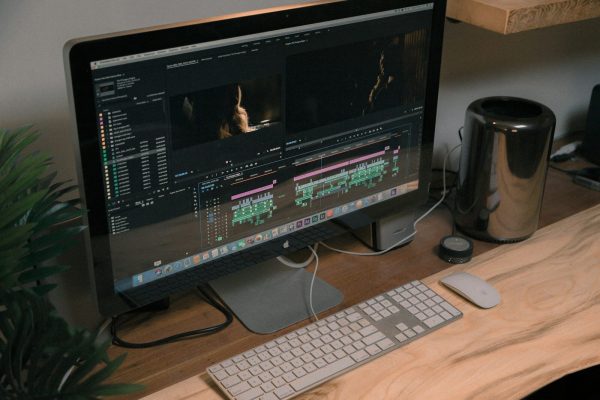
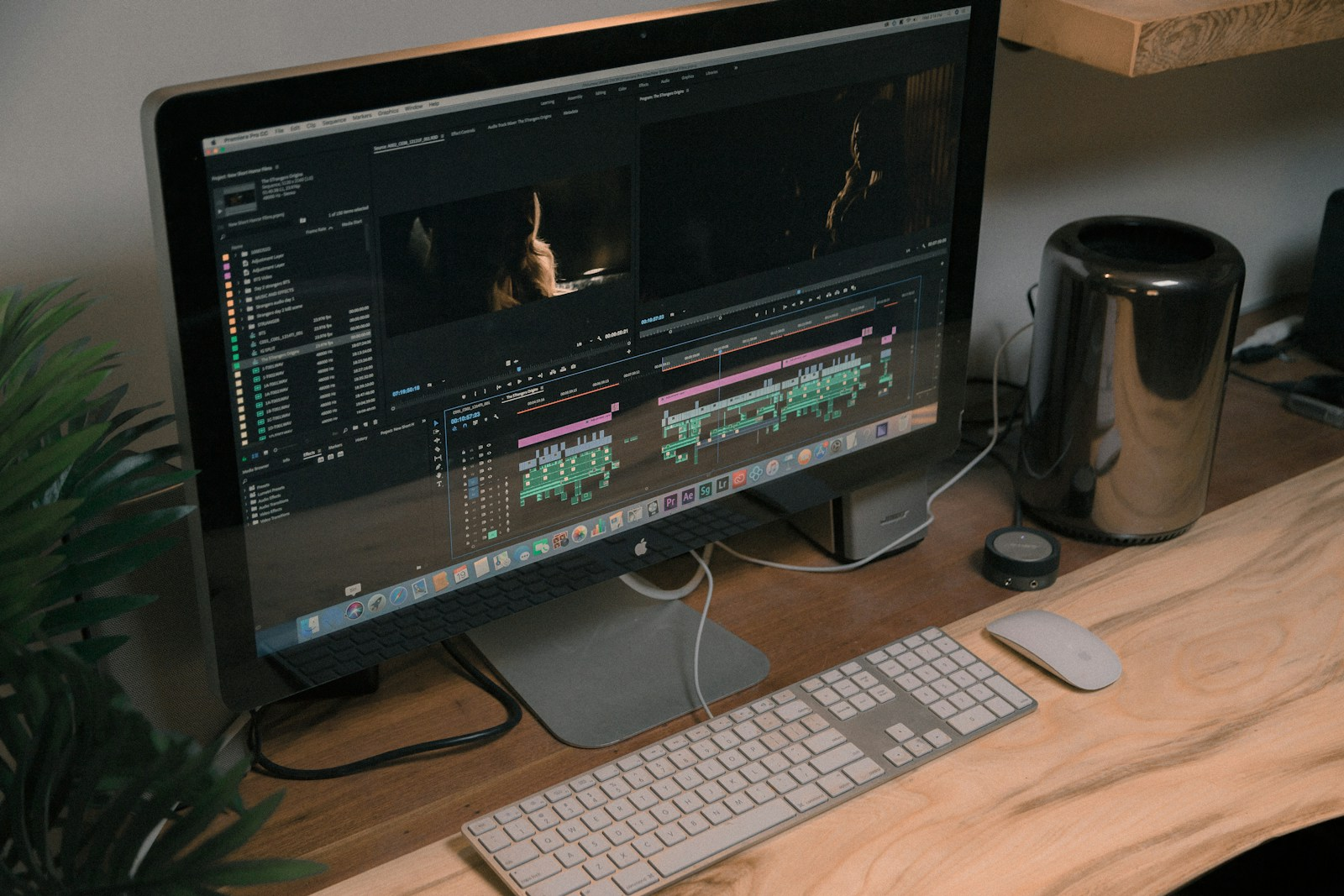
To build a successful career in video editing, professionals need strong technical skills in industry-standard software such as Adobe Premiere Pro, DaVinci Resolve, and Final Cut Pro. Equally important are storytelling ability, rhythm, sound design awareness, and an understanding of visual continuity. Editors who develop basic motion graphics skills and colour grading expertise significantly increase their market value.
In terms of education, video editing is one of the most self-taught-friendly creative careers. In 2026, some of the best-selling and highest-rated online video editing courses are found on platforms such as Coursera, Udemy, CreativeLive, and LinkedIn Learning. Courses that focus on real-world editing projects, professional workflows, and storytelling fundamentals consistently rank highest among learners. Employers and clients tend to prioritise portfolios over formal degrees, making project-based courses particularly valuable.
Motion Graphics Design and Animation Careers
Motion graphics design is one of the fastest-growing and most visually influential video design career paths. Motion graphics designers create animated text, shapes, icons, and visual elements that bring static designs to life. Their work appears in advertising, brand videos, explainer videos, user interfaces, social media campaigns, television graphics, and streaming platforms.
In 2026, motion graphics is a core skill for modern video designers because brands increasingly rely on animation to communicate complex ideas quickly and memorably. Motion designers often work closely with marketing teams, designers, and video editors to produce cohesive visual identities.
The earning potential for motion graphics designers is strong and continues to grow. Junior motion designers typically earn between fifty-five thousand and sixty-five thousand dollars per year. Mid-level designers often earn between seventy thousand and ninety thousand dollars annually. Senior motion designers, creative leads, and specialists in 3D motion or brand animation can earn six-figure salaries. Freelancers in this space often command premium rates due to the specialised nature of the skill set.
Success in motion graphics requires proficiency in software such as Adobe After Effects, along with a solid understanding of animation principles, typography, composition, and visual storytelling. Many motion designers also learn Cinema 4D or Blender to create three-dimensional elements and more advanced visual effects.
The most respected motion graphics courses in 2026 are known for their structured curricula and hands-on assignments. Platforms such as School of Motion, Motion Design School, and Udemy continue to dominate this space. Courses that include instructor feedback, portfolio-ready projects, and real-world briefs are particularly popular among learners and employers alike. These programs often simulate agency workflows, which helps students transition more smoothly into professional roles.
Visual Effects and VFX Careers
Visual effects, commonly known as VFX, represent the more technical and cinematic side of video design. VFX artists create realistic or stylised digital elements such as explosions, weather effects, digital environments, and composited scenes. Their work is essential in film, television, gaming, advertising, and increasingly in virtual production and immersive media.
VFX careers are well established in entertainment industries, but in 2026 they are also expanding into marketing, online content, and corporate media as visual expectations continue to rise. Companies want cinematic quality even in short digital videos, which increases demand for skilled VFX professionals.
The earning potential for VFX artists is among the highest within video design. Entry-level VFX artists typically earn between sixty thousand and seventy thousand dollars per year. Experienced artists often earn between eighty thousand and one hundred and twenty thousand dollars annually. Senior VFX specialists and technical directors can earn significantly more, especially in major production hubs or on high-budget projects.
VFX careers require a deeper technical skill set than many other video design roles. Artists need to understand compositing, 3D modelling, lighting, rendering, camera tracking, and simulation. Common tools include Adobe After Effects, Blender, Houdini, Maya, and professional compositing software. Strong problem-solving skills and attention to detail are essential.
Online learning has made VFX more accessible than ever. In 2026, best-selling VFX courses often focus on Blender-based workflows due to the software’s professional capabilities and zero cost barrier. Platforms such as Udemy and specialised training schools offer comprehensive programs that teach students how to produce cinematic effects through real production scenarios. Courses that emphasise shot-based learning and portfolio development are particularly valued.
Corporate and Instructional Video Design Careers
Corporate and instructional video design is one of the most stable and often overlooked career paths in video design. These professionals create training videos, onboarding content, educational modules, internal communications, and explainer videos for organisations. With the rise of remote work and online learning, demand for high-quality instructional video content has increased significantly.
In 2026, instructional video designers are employed by corporations, universities, government agencies, healthcare providers, and educational technology companies. Their work focuses on clarity, accessibility, and engagement rather than flashy visuals, although motion graphics and animation are often used to enhance understanding.
Earnings in this field are competitive and reliable. Many instructional video designers earn between seventy thousand and one hundred thousand dollars per year, with senior roles and management positions earning more. Freelancers and consultants in this niche can also secure long-term contracts that provide stable income.
To succeed in this career path, video designers need strong editing and motion graphics skills combined with an understanding of instructional design principles. Storyboarding, scripting, and collaboration with subject matter experts are key components of the role. Familiarity with learning management systems and accessibility standards is also beneficial.
The most popular online courses for this career path in 2026 are often hybrid programs that combine video production skills with instructional design theory. Learners gravitate toward courses that offer practical assignments and real-world case studies rather than purely academic content.
Freelance Video Design and Content Creation
Freelancing and independent content creation represent one of the most flexible and potentially lucrative paths in video design. Many video designers choose to work independently, serving multiple clients or building personal brands through platforms such as YouTube, TikTok, Instagram, and streaming services.
In 2026, freelance video designers are in high demand as businesses seek specialised talent without long-term commitments. Freelancers may work as video editors, motion designers, brand video creators, or full-service video producers. Content creators, meanwhile, monetise their skills through advertising revenue, sponsorships, digital products, and client work.
Income in freelancing varies widely. Some freelancers earn modest supplemental income, while others build six-figure businesses. Monthly retainers, project-based pricing, and long-term client relationships contribute to financial stability. Success in this path depends not only on creative skill but also on business acumen.
Freelancers need strong portfolios, clear personal branding, communication skills, and an understanding of pricing and contracts. Many of the most successful freelancers continually invest in learning to stay competitive as tools and trends evolve.
Online courses that focus on freelancing strategies, client workflows, and portfolio development are particularly popular in 2026. Courses that teach both creative and business skills tend to receive the highest ratings among independent video designers.
Core Skills Needed to Build a Career in Video Design
Across all video design career paths, certain skills consistently determine long-term success. Technical proficiency in industry-standard software remains essential, but it is no longer sufficient on its own. Employers and clients increasingly seek designers who can think creatively, solve problems, and communicate visually.
Storytelling is one of the most important skills in video design. Whether creating a short social media clip or a long-form documentary, the ability to structure a narrative and evoke emotion sets great designers apart. Visual composition, typography, colour theory, and pacing all contribute to effective storytelling.
Adaptability is another critical skill in 2026. Video design tools and platforms evolve rapidly, and professionals who embrace continuous learning remain competitive. Understanding new formats, emerging platforms, and audience behaviour is just as important as mastering software.
Portfolio development plays a central role in career growth. A strong showreel that demonstrates clarity, creativity, and technical competence often matters more than formal qualifications. Employers and clients want to see real examples of problem-solving and design thinking in action.
The Best Online Courses for Video Design in 2026
Online learning continues to be the primary gateway into video design careers in 2026, with the most successful courses combining hands-on projects, current industry workflows, and portfolio-ready outcomes. Courses that teach Adobe After Effects, motion graphics, and integrated editing skills remain the most in demand.
For a structured and professional learning path, the After Effects Motion Graphics and Keying Mastery Specialization on Coursera provides comprehensive training in animation fundamentals and compositing, helping learners build practical motion graphics projects.
Udemy remains a leading platform for project-based video design education. Adobe After Effects CC: The Complete Motion Graphics Masterclass is especially popular for teaching learners how to create logo animations, YouTube graphics, animated text, and brand visuals through hands-on, step-by-step exercises designed for real-world video production.
For designers advancing into motion graphics and visual effects, the After Effects CC Bootcamp on Udemy is an excellent choice. This course focuses on professional workflows, compositing techniques, visual effects, and real project work that prepares learners for advanced motion design roles.
Another well-rated option is Adobe After Effects CC – Motion Graphics Design & VFX, which covers motion graphics fundamentals, animated typography, infographics, and effects commonly used in professional video production.
For designers seeking more technical control, Advanced After Effects: Coding for Motion Design on Domestika introduces expressions and procedural animation techniques that streamline complex motion work.
Final Thoughts
Video design in 2026 offers an extraordinary range of career opportunities for creative and technically minded individuals. Whether working as a video editor, motion graphics designer, VFX artist, instructional video specialist, or freelancer, the field rewards those who combine creativity with discipline and adaptability.
The path into video design is more accessible than ever, thanks to high-quality online education and affordable tools. At the same time, competition continues to grow, making skill development, portfolio quality, and professional mindset more important than ever.
For those willing to invest time in learning, practice, and creative exploration, video design can provide not only financial stability but also a deeply fulfilling career built around storytelling and visual impact. In a world increasingly shaped by moving images, video designers are no longer behind the scenes. They are at the centre of how ideas are shared, understood, and remembered.